
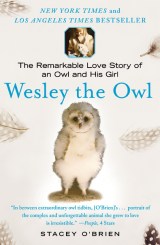
 Wesley the Owl: The Remarkable Love Story of an Owl and His Girl, by Stacey O’Brien
“Wesley’s eyes were a deep, inscrutable black. Even when they first opened, they harbored a great mystery and held my gaze. Looking into his eyes was like looking into infinity, into something far away and cosmic. It was a profoundly spiritual experience….”
This is not your average birding book. Stacey O’Brien adopted a baby barn owl when he was only days old, naming him Wesley. Nerve damage in his wing meant he’d never live successfully as a wild owl. Her commitment to live with and care for Wesley would span almost 19 years, until his death.
Barn owls can’t be kept in a cage, so Wesley and Stacey truly lived together with mutual love and respect. She adapted to “The Way of the Owl,” and he, having imprinted on a human, developed some very un-owl-like traits. For example, barn owls don’t typically like to get wet, but Wesley delighted in taking baths!
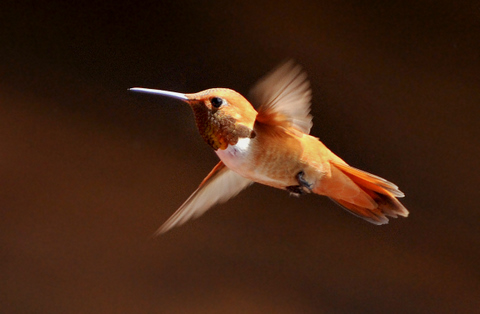
 Lately, my husband has taken to calling me a “Beak Geek.” I’m not sure whether or not to be insulted at this or take it as a compliment. I thought I’d ask a few other friends if the label fits. They hedged a lot. Hmmm. So I did an internet search and found the following:


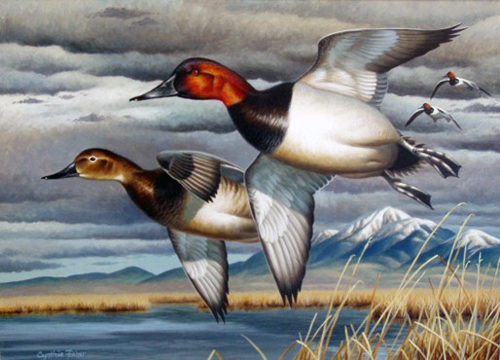
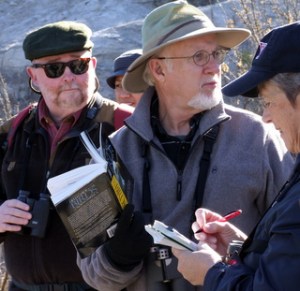 e it, you’re hooked. You didn’t think it would happen to you. All you wanted was to know the name of one bird. You naively picked up that field guide. Was that bird at the feeder a Black-headed Grosbeak? Or perhaps it’s a Spotted Towhee? Hmmm… there are so many birds in here. And they all look so interesting! You’re familiar with a few—Robins and Pigeons, House Finches and House Sparrows. But wait! Is that really a House Sparrow? Perhaps it’s a Black-throated Sparrow instead! And there are two kinds of goldfinches at your feeder? Better look more closely.
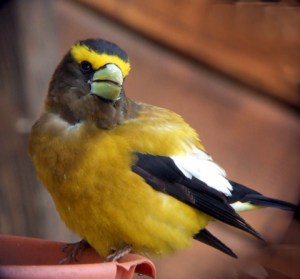 One familiar bird impacted by the fate of our forests is the Evening Grosbeak. Evening Grosbeaks are birds of boreal and montane forests and are therefore susceptible to all the incursions into those habitats. Chemical control of spruce budworm and other tree pests lowers this species’ food supply and may also cause secondary poisoning. Competition and the spread of disease among house finches, goldfinches, and other feeder birds may also be playing a role in the decline. Finally, populations are affected by fluctuations in insect populations and the frequency and intensity of forest fires.
