This bird was photographed in Colorado in May. Can you name it? The answer will appear at the end of next Monday’s post.


This bird was photographed in Colorado in May. Can you name it? The answer will appear at the end of next Monday’s post.


Birding is not for prudes. Everywhere I look, birds are busy making sure there will be another generation to carry on. It must be spring.
First it was the Cooper’s Hawks. We noticed two on recent trip to a county park. The larger one, the female, was sitting on a branch, preening. The smaller male zigzagged closer and closer as he flew from tree to tree, finally landing beside the female. There was a bit of a chase, some friendly bickering, and the next thing we knew, she had flipped up her tail, allowing him access. He was quick to hop on, and in a matter of a second or two, the deed was over. I hadn’t even had time to focus.
This bird was photographed in Arizona in April. Can you name it? The answer will appear at the end of next Monday’s post.

This bird was photographed in Florida in February. Can you name it? The answer will appear at the end of next Monday’s post.

This bird was photographed in Colorado in February. Can you name it? The answer will appear at the end of next Monday’s post.
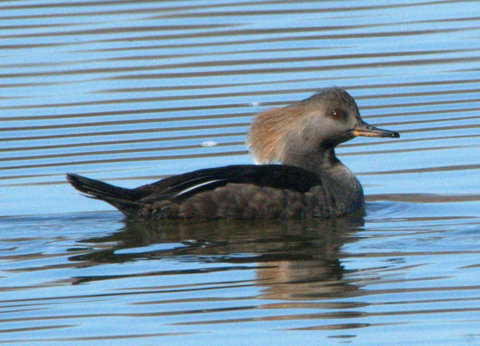
With the start of a new year, I thought I might do something a little different with the monthly quiz. No, I’m not going to tell you what it is. You’ll figure it out eventually!
This year the photos won’t be cropped. Instead, I’ll start you out with an easy one. This bird was photographed in Arizona in April. Can you identify it? The answer appears next Monday.
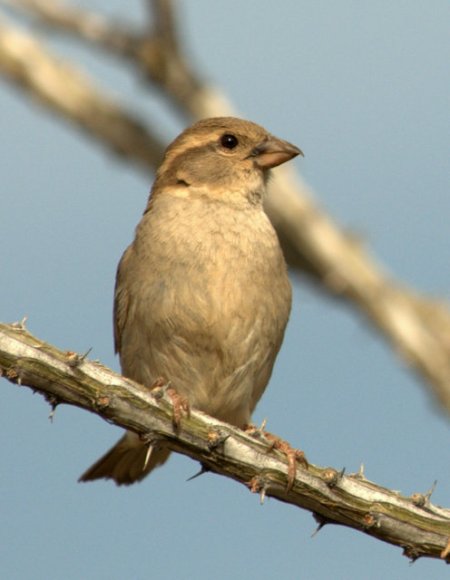

When out in the field identifying birds, how often do we look at the feet? For me, at least, the bird’s feet may be the last thing I take note of—if I can see them at all. Wading and swimming birds keep their feet under water and out of sight, and mind. Perched birds’ feet are often hidden in the foliage, or too small to see from a distance. Yet, bird feet can provide a clue, not just to a bird’s identity, but also to its habitat, diet, and general lifestyle.
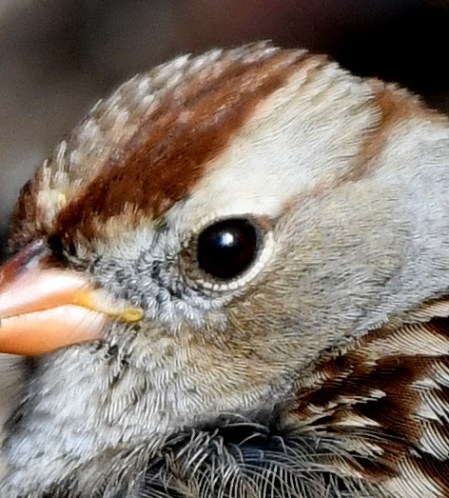
If you were stymied on Monday, now can you name this bird? The photo was taken in Colorado in January. The answer will appear at the end of Monday’s post.
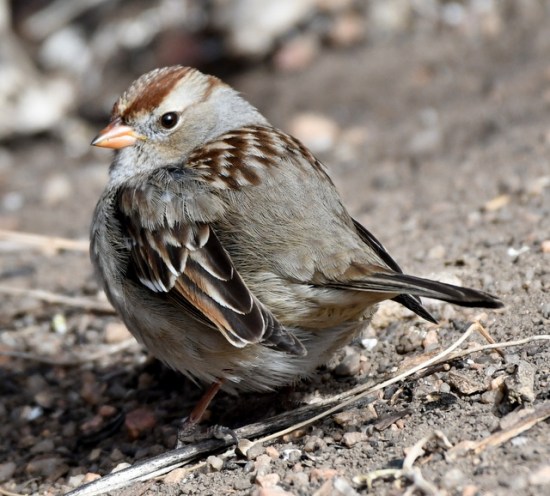
This bird was photographed in Colorado in January. Can you name it? I will post the uncropped photo on Saturday, giving you one more chance to identify the bird. The answer will appear at the end of next Monday’s post.


One of the delights of living near the US Air Force Academy is watching the various ways the cadets get into the air. There are the small training planes, the gliders, and the air mattress-like parachutes. Every so often, most often during football season and at graduation, we’re treated to an old bomber or two. And then there are the incredible Thunderbirds, whose aerial display comes right over our house. What a view!
Of course, you can immediately tell when the Thunderbirds are in town—you can hear their screaming engines echoing off the Front Range mountainsides. (If you want to actually see the jet, look far ahead of the point where the sound seems to be originating.) But let’s eliminate the sound for a moment. How can you identify a single-engine prop plane from a glider from a parachute from a jet? Easy—look at the shape of the wing.
 Mountain Plover