
 Last week I wrote about the design and layout of chicken coops. Today we’ll talk about the inside.
Lighting
If your coop is large, you’ll need some light inside so that you and the hens can see. Also, chickens lay eggs when days are long, then stop and molt when fall arrives. If you want them to continue producing eggs into the darker months, you’ll need an artificial light source (and electricity).
 The biggest investment in keeping chickens is their housing. Chickens are remarkably hardy birds, but they need some sort of shelter to make it though a Colorado winter. They also need protection from raccoons, possums, foxes, owls, coyotes, hawks, weasels, and neighborhood dogs.
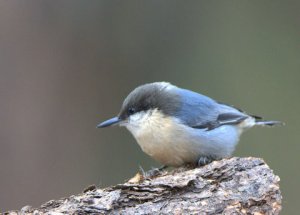 They’re adorable, with their short stumpy tails, tiny bodies and toddler-round tummies. They’re constantly active, hopping from branch to branch. Can you tell? Pygmy Nuthatches are one of my favorite birds! I love to watch them fly down to the feeder to grab a seed, then bolt back into safety before “hacking” (“nut hack” has become “nuthatch”) the sunflower shell open against a branch. Sure seems like a lot of work, especially compared to the finches who just sit there shelling and swallowing seeds as fast as they can.
 I splurged on two nest boxes this week. I hadn’t meant to—they’re not in the budget—but I reasoned that attracting birds with bird houses was ultimately cheaper than buying ever more bird seed (although I’m sure I’ll do that too).
 Mountain Plover