
Appearance
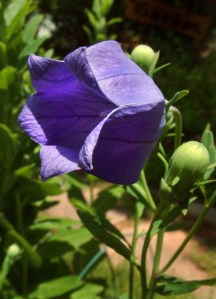
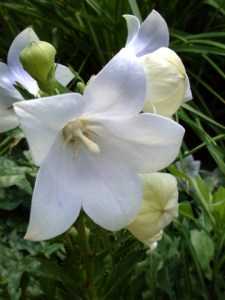 We may not be able to grow real balloons in our gardens, but Balloon Flower comes pretty close. Large buds shaped like inflated balls give Platycodon its common name, Balloon Flower. These buds open into showy blue, pink or white blossoms shaped like plump, five-pointed stars. The flowers adorn one- to two-foot tall vase-shaped clumps of oval green leaves.
Cultivation
 Grow Balloon Flower in well-drained garden soil amended with several inches of compost. Mark the spot so you remember where the plants will reappear in late spring. These perennials take several years to look their best, but your patience is rewarded with plants that live for twenty years or more. Because they stay neat and well-behaved, dividing is unnecessary; in fact, the roots hate to be disturbed. Established plants survive some dry periods, but prefer regular watering.
Landscape Use
Growing happily in sun or partial shade, the informal flowers are especially appropriate for a cottage garden or woodland. Bloom starts in mid-summer, often continuing until frost. Suggested companion plants include Sweet William, columbine, and daylilies in complementary colors.
 Common Yarrow might be common, but it’s still a worthy plant for Colorado gardens. Plants form spreading clumps of dark green, finely cut leaves about one foot tall. Flat-topped clusters of tiny flowers that rise above the greenery provide landing places for butterflies, which are attracted in large numbers. Blooms may be white, pale to golden yellow, or various pastel shades; ‘Paprika’ is a cultivar with red flowers the color of their namesake.

 Mountain Plover