
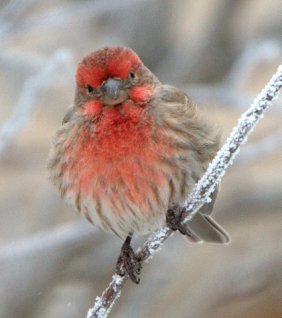
 The summer birds have all departed for southern climes or lower altitudes. Many of our human friends have done likewise. Those of us who remain are simmering soup, digging out winter clothes and making sure our homes are snug and warm. The birds who hang around all winter have the same needs—high energy food, winter clothes and snug, warm homes.
We can’t help much with the wardrobe—birds already have down jackets! When they get cold, they simply puff up their feathers, trapping warm air against their bodies. This works remarkably well—until the wind kicks in. And we have a lot of wind.
 Last week I wrote about the design and layout of chicken coops. Today we’ll talk about the inside.
 The biggest investment in keeping chickens is their housing. Chickens are remarkably hardy birds, but they need some sort of shelter to make it though a Colorado winter. They also need protection from raccoons, possums, foxes, owls, coyotes, hawks, weasels, and neighborhood dogs.
 The tiny bird fluffs its feathers against the cold, while the north wind whips sleet into the pine branches surrounding its perch. With all water sources frozen, it has to use precious body warmth to melt the snow it eats. Last year’s crop of seeds is buried under a layer of white. Wild birds are amazingly hardy creatures, but even the sturdiest Mountain Chickadee (above) finds conditions like these a challenge.
 Mountain Plover