
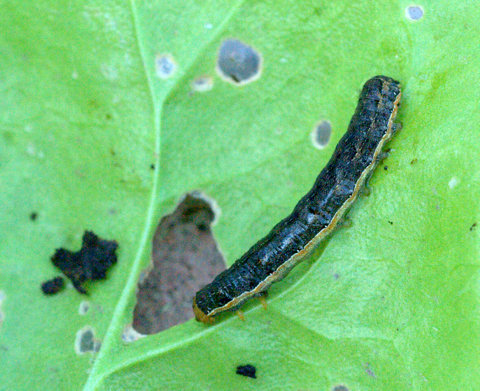
 The best way to ward off insect and disease problems is to grow a healthy plant. Just as a wolf pack will target the weakest member of a herd, insects seem to zero in on a plant that is under stress. Good gardening practices—choosing the right plant for the spot, soil preparation, proper planting, feeding, watering, mulching, and the like, all go a long way to keep our gardens free of damaging pests.
But cultural control goes further than just having a green thumb. Sometimes our yards are invaded by insects no matter how good a gardener we are. In that case, it pays to know the enemy.

 Colorado isn’t an easy place to garden. Drought, late frosts and early snow storms, soils of sand and/or clay… to grow anything here, you have to be stubborn—and so do your plants. Our recent storms were so destructive, I thought I’d post something about how you can avoid a lot of hail damage in the first place. At least for ornamental landscapes, the key to surviving hail is plant selection.
 Last week, our part of the world was hit by a horrific hail storm. Drifts (if you can call them that) measured four feet high. Houses, cars, and, of course, gardens were ruined by hailstones the size of golf balls (as this photo by Pam Woodward proves). It’s quite shocking to watch from your window and see thousands of hail stones plummeting your favorite garden. Do not despair—the plants may recover! Hail usually does not damage the root system. Here are some things you might do to help your plants survive and even thrive:
 It had been raining all week, quite normal for western Washington in late May. We were near Seattle, visiting our brand new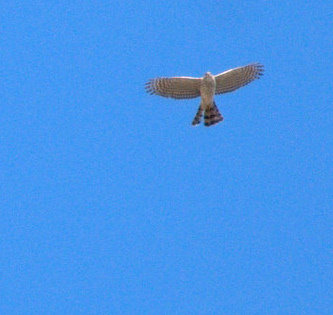


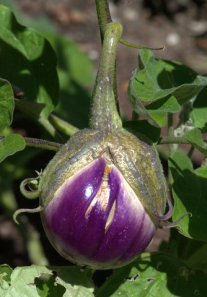 Eggplant Parmigiana, Moussaka, Moroccan Eggplant Salad, Baba Ganoush… there are plenty of delicious ways to eat eggplant. Growing it in Colorado is a whole different story. A native of warm and humid southeast Asia, it takes a bit of persuasion to convince this tomato family member to thrive in our cool, dry climate.
 “I’m interested in learning how to watch birds. How can I get started?”
 Mountain Plover