

Flowering crabapple trees, with single to double blooms of white, pink, or carmine, are a beautiful symbol of springtime. Varying widely in form, cultivars range from small upright trees 15 feet tall to umbrella-like specimens more than 30 feet across. Some form narrow columns; some are weeping. Many produce small, ornamental fruit that lasts all winter, in shades of yellow, orange, or red. The simple green leaves of some varieties may have a reddish cast, especially in the spring. ‘Indian Summer’ is an example having orange fall foliage. ‘Molten Lava’ has attractive yellow bark. With over 200 cultivars available, you can choose a tree that matches your site and provides four seasons of garden interest.
 They’re jumping up all over the place— miniature flowers with elfin faces, surrounded by petals of yellow and purple. No wonder we call them Johnny Jump-ups! The petite plants, sporting elongated heart-shaped leaves, must have started growing as soon as the ground thawed, to be in bloom this early.
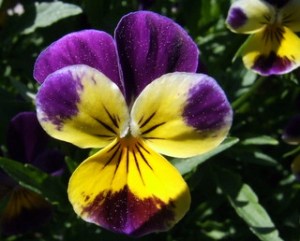 These short-lived members of the violet family are not particular about soil, exposure, or water. However, for maximum bloom, grow them in full sun, and don’t let them get too thirsty. Skip the plant food, as too much fertility will encourage leaves at the expense of flowers. For a mid-summer repeat performance, trim back leggy plants. Prolific self-seeders, new plants quickly replace those that succumb to old age, and they will form a solid mat in a year or two.


 Mountain Plover