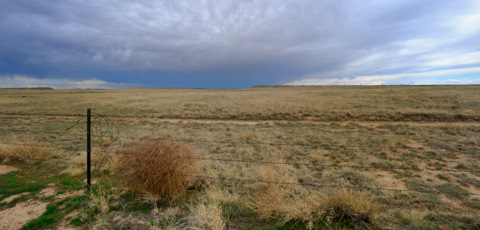
Tumbling Seed Spreaders

tumbleweed_commanchegrasslandsco_20100414_lah_2566

An iconic symbol of the West, tumbleweeds conjure images of cowboys, cattle drives, and barbed wire. They even have their own song—“Tumbling Tumbleweeds” was written by Bob Nolan in the 1930s, and seems to reappear as often as the weeds for which it’s named.

Yes, we’re all familiar with tumbleweeds. But, as a result of my Colorado Master Gardener training, I have insider information that will stun, shock, and astonish you. Tumbleweeds are aliens!

Yes, it’s true. Before the Europeans stumbled across the western hemisphere, there were no tumbleweeds on the plains. Of course, there were no cowboys, either—no horses, no cattle, and no chuckwagon bean dinners. Tumbleweeds arrived, not in flying saucers, but in seed shipments from Europe and Asia.

(more…)

Colorado Gardeners Need Colorado Garden Advice

  Photograph by Michael David Hill.
Photograph by Michael David Hill.

The ad promised that this new gardening book would show me how to “chase those darned moles out from under my prize tomatoes … make … azaleas bloom like crazy … and [use] eggshells [to] barricade slugs from the hostas, cabbage, and lettuce.”

Sounds wonderful, right? The problem is, while those “garden cheats” (as the ad called them) may work in much of the country, particularly in the east, not one of those will work here in Colorado.

(more…)

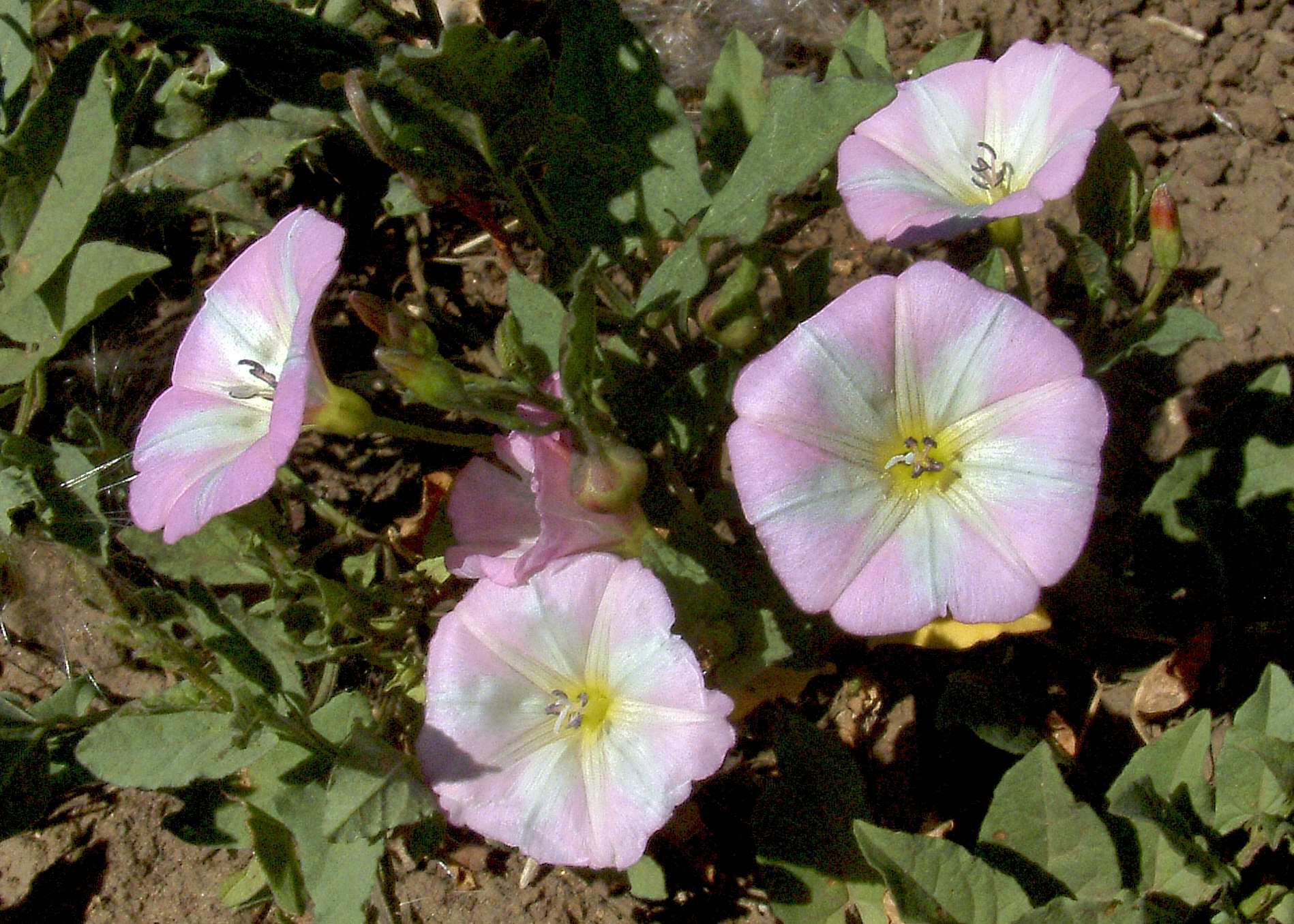
Bindweed

bindweed-bear-creek-pk-cs-lah-042rMost gardeners are all too familiar with bindweed, a member of the morning glory family. With its white to pink vase-shaped flowers and elongated green leaves, it spreads its twisting vines across areas of disturbed soil, such as vegetable gardens and flower beds. The more the gardener tries to pull it out, the more it spreads. Reproduction is by seed, which can remain viable in the soil for up to 50 years, and creeping rhizomes, which may extend up to 6 feet from the mother plant.

If that doesn’t scare you, consider that established plants have a taproot that can extend 20 feet below the soil surface, and lateral roots that grow 30 feet long! This root system stores enough food to keep the plant alive for three years, even if the area above it is paved over. Repeated applications of  herbicides may not kill those roots. Once an area is covered by bindweed, it is almost impossible for native plants (or anything else) to become established.

(more…)

Dalmation Toadflax – Linaria

linaria-toadflax-santafetrailcsco-2008oct07-lah-001More charmingly known as Butter-and-Eggs, the common name “Toadflax” applies to several similar species. All sport cheerful yellow flowers resembling snapdragons, to which they are related. Two-foot tall clumps of smooth green stems are covered with narrow, pointy leaves two and a half inches long. The flowers appear whenever growing conditions permit.

Originally imported from Eurasia as ornamentals, the plants quickly escaped cultivation and are featured on many wildflower posters. Unfortunately, Toadflaxes are now officially listed as noxious weeds. As such, it is illegal to grow them or sell their seeds.

(more…)