

Sometimes I think of leadplant (Amorpha canescens) as the ugly duckling of xeric shrubs. It’s just not appreciated. Consider this quote from the Missouri Botanic Gardens (MBG) webpage:
A somewhat ordinary looking, small shrub with an attractive bloom but otherwise with no particularly outstanding landscape features. Good plant for naturalizing in a native or wildflower garden, prairie or meadow.
 In a field crowded with contenders, I have a new favorite wildflower. This plant is incredible—large, flashy, tough, gorgeous. What more could you want? Best of all, it’s thriving in my yard. I’m in love.
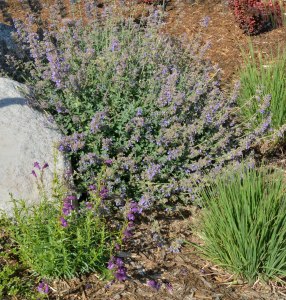 You’ve read the instructions; I’ve used them frequently here in my posts. “Drought resistant once established.” Sounds good—we’re always trying to save water—but how should you water these plants to start with? And what does “established” mean?
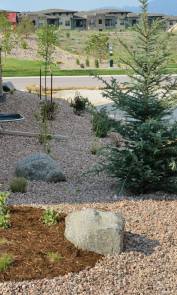 In the year we’ve lived in our new house, the first on the block, we’ve gained a number of neighbors. Now that the growing season is officially underway, these new yards are being landscaped. And I’m reminded all over again of why, back in 2000, I signed up to become a master gardener.
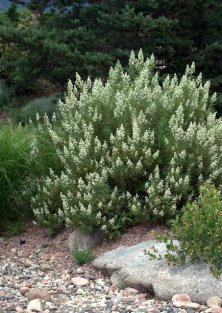 From a distance, a blooming fernbush (Chamaebatiaria millefolium) resembles a lovely white lilac bush, but no lilac would be in bloom at this time of year. Growing to seven feet high and wide, these shapely shrubs are covered in upright sprays of showy white flowers from June through August. Individual blossoms are reminiscent of single roses, and attract bees and butterflies. Come autumn, the flowers are replaced by russet seed heads.


 Mountain Plover