Feeding the Kids

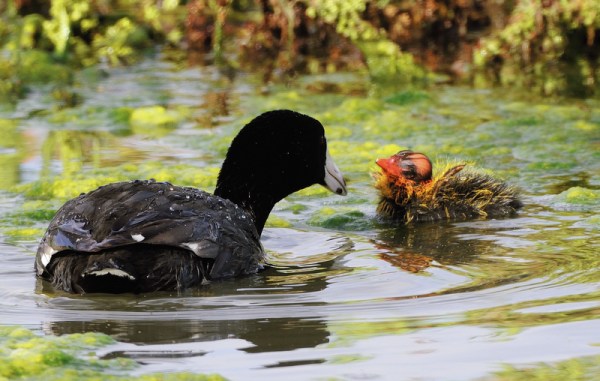
If spring brings mating displays and nest building, then summer is sure to be filled with baby birds. Lately, everywhere I look I see frazzled parents bringing food to their ravenous offspring. No sooner have they stuffed the moth or grasshopper or beetle or dragonfly down that bottomless gullet than they’re off looking for the next morsel.

(more…)

Committing Tree-icide: Water & Mulch

20200522_101626

(Don’t miss last month’s post about proper tree planting!)

Once we have the new tree in the ground, we want to do our best to help it not only survive but thrive. Knowing how dry our climate is, it’s natural to focus on providing enough water for the tree to become established.

A newly planted tree needs to be watered where its roots are. Those roots will be close to the trunk, which is why the landscapers set up their drip emitters to irrigate that area.

(more…)

Pennies—Good for Thoughts, but Not Tomato Blight

Tomatoes - cherry Sunsweet @home LAH-001I recently ran across an article claiming that a penny can help your tomato plants fight off blight. Apparently, the reasoning goes like this:

  • Copper is known to kill molds, algae, fungi, and microbes.
  • Pennies are made out of copper.
  • Therefore, inserting a penny into a tomato stem (or burying it at the roots) will keep your plant from succumbing to diseases caused by molds, algae, fungi, or microbes.

Since I’ve lost tomato plants to Early Blight, a common problem in Colorado, I’d love for this idea to work. I have some pennies lying around; let’s put them to good use, right?

Well, not really.

(more…)

Focusing on the Bird

Yellow-breasted Chat_FCRP7w-EPC-CO_LAH_3270

Why wouldn’t the camera focus on the bird?!

I was trying to finally get a decent picture of a Yellow-breasted Chat. They’re not all that common in this part of the country, and I was thrilled to find one. In fact, we’d been hearing it call since we’d arrived at one of my favorite birding spots. But where was it?

After much searching (my ears aren’t very good at recognizing direction), we finally found the noisy bird sitting in a bare treetop, far overhead. It was in plain view, if you discounted the multitude of leafless twigs surrounding it. Praying it would stay put long enough for me to grab the shot, I aimed my lens and partly depressed my shutter button to activate the autofocus. (more…)

Not Exactly Xeric: Plants for Wet Spots

Colorado gardening is all about saving water. Classes offer advice on how to group plants in your landscape according to their need for supplemental irrigation. Garden centers highlight species that tolerate drought. This year, Colorado Springs has placed restrictions on how we water our yards, and how often we are allowed to do so. We’re forever being told how to use less water in our gardens.

But there’s one part of our backyard that defies all the prevailing wisdom. It’s wet. It’s soggy. In the spring and during wetter summers, an entire hillside of rainfall drains through this spot. And if there’s no rain and we have to water our lawn? No matter how careful we are to avoid runoff, this one area still stays wet. (more…)

Probiotics for your Lawn?

I recently received this ad in the mail:

Lawn Doctor ad 09.47.51

While I noticed the baby crawling on the grass, the dog,  and the blurbs—“Better for you, your loved ones & your pets” and “50% less synthetics”—all designed to convey safety (with even more health references on the back), it was the word “Probiotic” that really caught my attention.

Probiotics are a hot topic. Research is constantly discovering how important our gut biomes are. But a lawn is not a digestive system. It looks impressive on the advertising, but is there really any point to putting probiotics on your grass?

(more…)

Committing Tree-icide: Planting

20200522_101626

It’s spring. Perennials are emerging from underground. Spring bulbs are in bloom. The buds on are bare branches are bursting into leaves. Except for those that aren’t. A look around indicates that a lot of my neighborhood trees didn’t survive the winter.

Trees are not cheap. There is a significant cost when it comes to purchasing and planting a tree, especially one large enough to satisfy the HOA. It’s easy to blame their subsequent demise on Colorado’s notoriously capricious weather. Easy, but you’d be wrong. By far, the primary reason our new neighborhood’s trees don’t survive is improper planting.

It’s not the weather that’s killing the trees. It’s us.

(more…)