

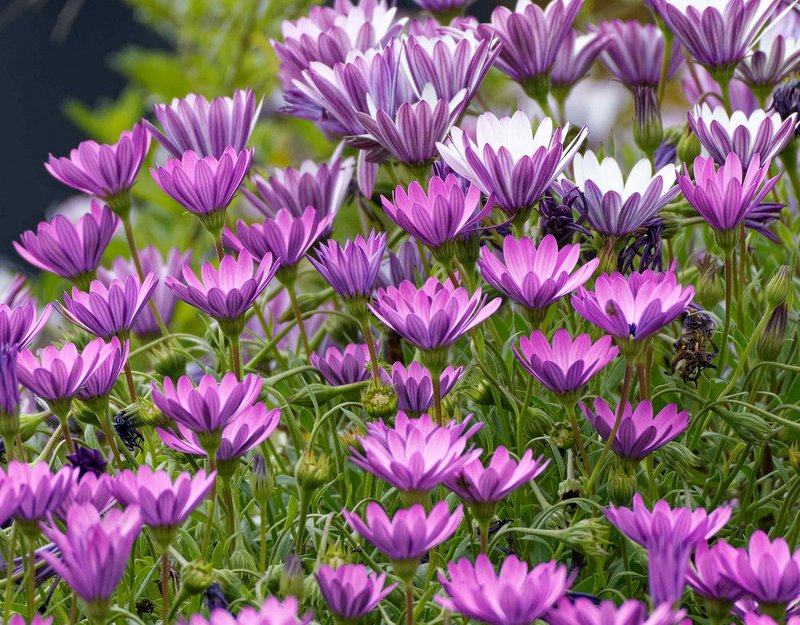
African Daisies


Lighting Your Seedlings

Finally! In spite of the foot of snow we received this past weekend, spring is just around the corner. For those with late frost-free dates, it’s finally time to start our seeds. Back in 2009 I posted a series of articles about seed starting. (You can find them in the category drop box at right.) However, years have passed and things have changed.
(more…)Fact-checking
As I’ve been recovering from back surgery—a recovery that is taking a bit longer than I was led to expect—I’ve had plenty of time to check my phone, and more specifically, my news feed. I had to laugh when this item popped up. Seems that USA Today needs to check with an actual birder before choosing photos to accompany their articles!

Note that this is not a yellow bird, rare or otherwise. Even more significantly, this lovely photo is of a House Finch, not a Northern Cardinal.
That would be bad enough, but there’s more:

Here we finally get to see the yellow cardinal (which happens to be male). However, this is a male House Sparrow, definitely not a younger cardinal—or its mate!
These are rather significant mistakes in an article on I topic I know a bit about. It makes me wonder how many mistakes (intentional or otherwise) appear in their articles on other topics!
Start with Ducks

Congratulations, you’ve decided to take up birdwatching. You’ve got the binoculars, the latest field guide or phone app, and the dorky hat. The extras can come later—the spotting scope, the camera with a long telephoto lens, the airplane tickets for that exotic birding destination. For now, you’re excited to begin, so you head to the nearest nature center or other birding hotspot.
(more…)Beyond Roses


What do you bring your flower-loving Valentine? Do you opt for the traditional dozen long-stemmed roses? If the recipient loves roses, that may well be your best option, even though it may set you back $50 or more. But if your sweetheart loves all kinds of flowers, you can do better than tradition.
(more…)February’s Bird Quiz

As I mentioned last month, the birds we see in the field are rarely posed like the illustrations in our field guides. Rather, we see them from underneath, or with parts hidden by leaves, or, as is so often the case, flying away. When it comes to dabbling ducks (and some other waterfowl), we may find that the most helpful field marks are underwater, and all we’re treated to is a view of the tail. If only we had a field guide that portrays these birds bottoms-up!
(more…)Milkweeds: Not Just for Monarchs
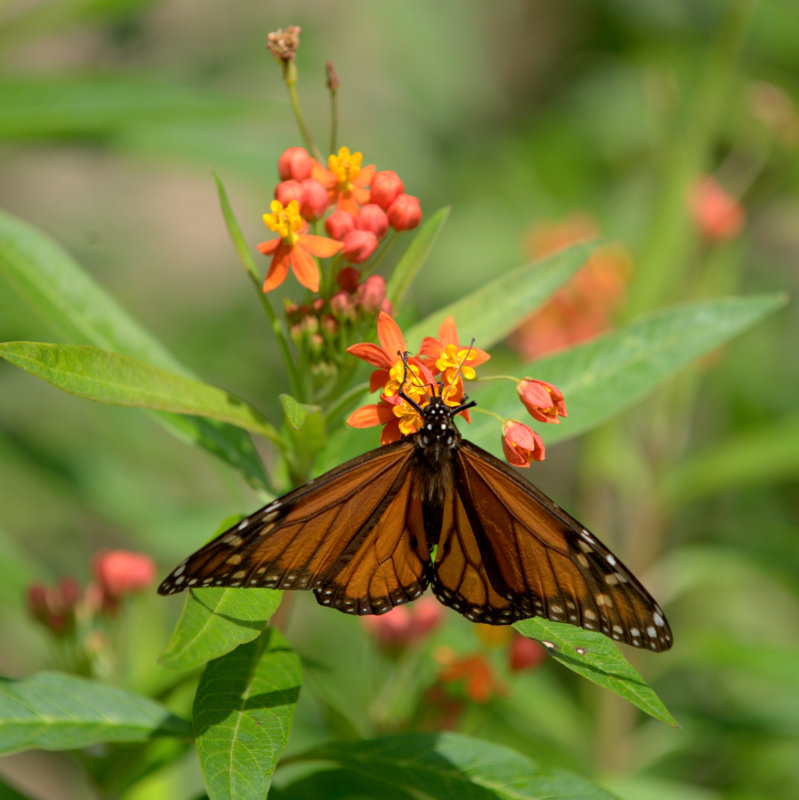
When we think of milkweeds, we typically think in terms of those plants that Monarch butterflies eat. And yes, Monarch larvae are dependent on milkweeds. The leaves contain toxic chemicals (cardenolide) that the insects feeding on them can incorporate into their own bodies, making them unpalatable to predators.
(more…)Eleven Mile Canyon Again

While I love birding someplace new, there’s also something special about having a tradition of revisiting the same spot at the same time, year after year. My friend Debbie’s birthday is December 29, and we do our best to reserve the date for our traditional trip to Eleven Mile Canyon.
(more…)A Pantone “Color of the Year” Garden
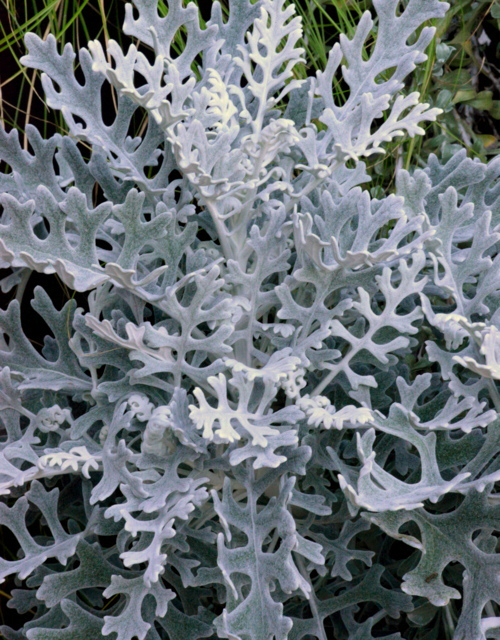
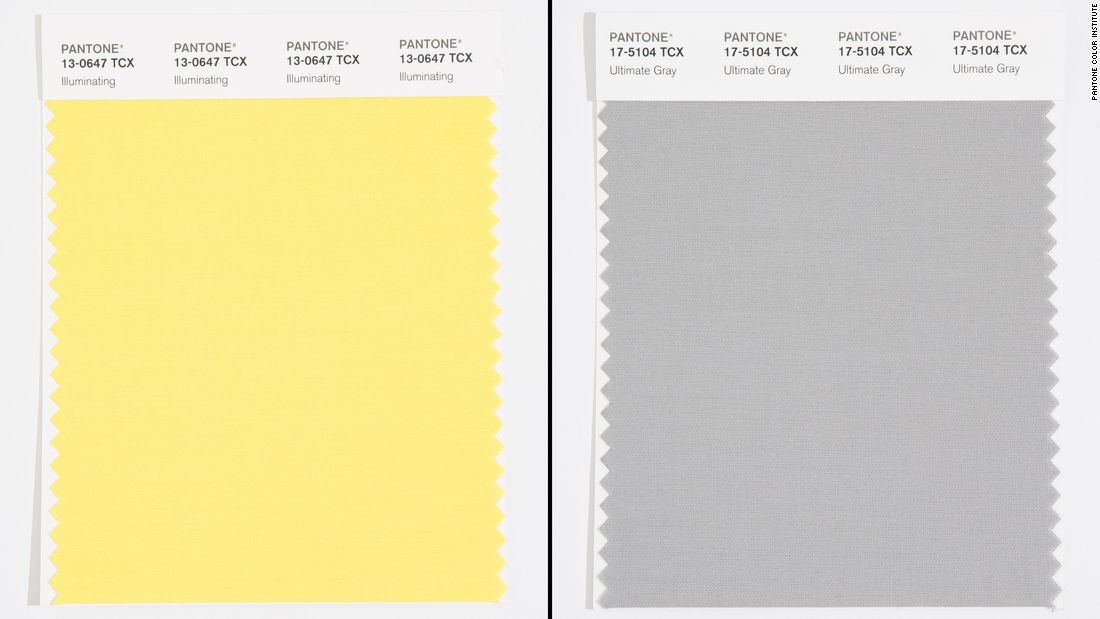
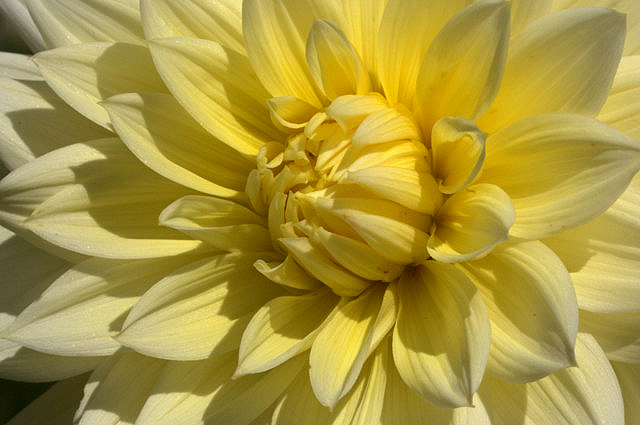
Right on schedule, Pantone has revealed the color of the year for 2021. In a break with tradition, there are actually two colors—a bright, buttery yellow called Illuminating, and Ultimate Gray. The minute I saw the yellow, I thought, perfect choice! It’s cheerful, and after 2020, we need all the cheering up we can get. But gray? Most of 2020 was a dismal, gray year, and the thought of facing yet another year like that is downright depressing. I don’t need to reinforce those bleak feelings.
(more…)
