
Every spring, gardeners go out to plant. We prepare the soil and carefully bury a tiny seed. We might water, if the soil is dry. Mostly, we watch and wait. We fully expect that seed to germinate and grow to maturity. But what is actually happening beneath the warming soil? What is a seed, anyway? How does it know when to break dormancy and germinate? How does it know which way to grow? Since spring is approaching, I thought I’d write a series of posts on seeds—where they come from, what they are, what happens to make them grow. (more…)
Common Birds
 There are a lot of birds with “Common” in their names: Common Goldeneye (right), Common Loon, Common Raven, Common Murre, Common Tern, Common Yellowthroat, and so on. Some truly are common— the Common Gallinule is one of the most widespread birds in the world. Others, such as the Common Eider, are only found in remote areas. Perhaps they’re common in their range (the Common Eider is considered a species of least concern), but they’re certainly rare or nonexistant where I live.
A Blanket for Your Garden
 As I write this, the sky is a brilliant blue, the sun is shining, and the thermometer in my garden reads a pleasant 55 degrees. However, only two weeks ago my plants were subjected to a frigid minus 17, and tomorrow’s high is supposed to barely pass freezing. It’s only February, with plenty of winter yet to come. Sometimes I wonder, how do my shrubs and perennials manage to survive such extremes?
In most years, the parts of the country that experience arctic temperatures also have a significant amount of snow. While we think of snow as very cold, it actually acts as an insulating blanket in our gardens, keeping the soil temperature relatively stable—often not much lower than 32. Then, during warm spells, such as we’re experiencing this week, that snow keeps the ground frozen. Plants stay dormant, and the roots stay buried.
Black Vultures
 When we first saw the sign, during our recent visit to Everglades National Park, we thought it was funny. What can a bird do to our car (besides the obvious, I mean)?
Then we looked around. Black Vultures were everywhere—in the trees, on the ground, and yes, pecking at the cars. Most people had used the tarps provided to protect their cars, but one black sedan was left exposed. Perhaps the owner didn’t believe the sign. We watched, amazed, as several birds carefully pecked off all the black rubber around the windows. It looked like they were eating the wipers as well. And let’s not forget the extremely acidic vulture droppings burning their way through the nice, shiny paint job.
Valentine Cyclamen
 It’s Valentine’s Day, one of the busiest days of the year for your friendly neighborhood florist. My husband knows I like receiving flowers on this most romantic of holidays. He also knows that I appreciate getting a plant that is still alive and growing, as opposed to cut flowers that will soon wilt and be composted.
One popular Valentine plant is the Florist’s Cyclamen. These cyclamen are decidedly beautiful—delicate and romantic—but are difficult plants to keep indoors.
February Quiz: Answer
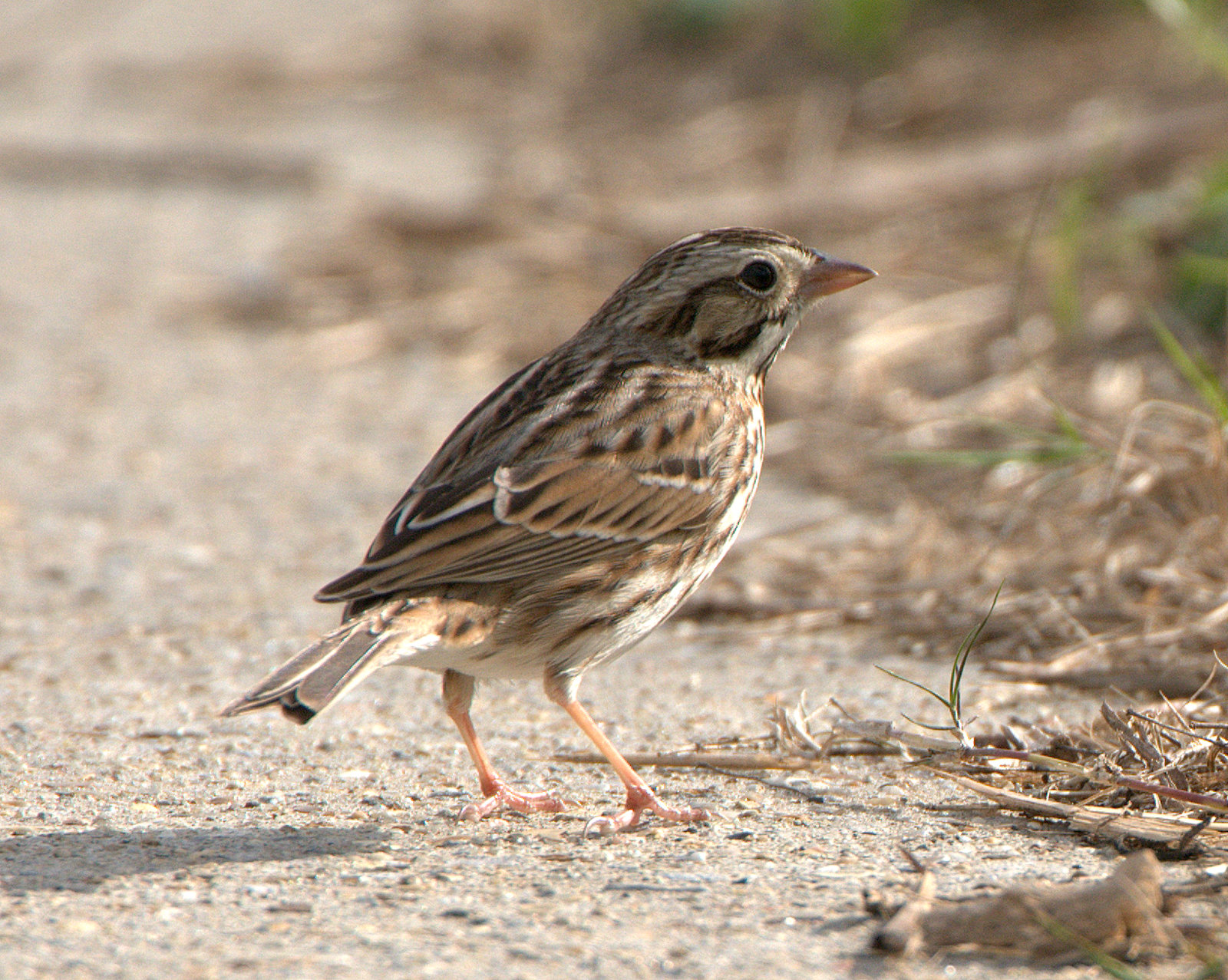
To refresh your memory, here is the photo from February’s Bird Quiz. It was taken in Louisiana during the month of January. Don’t read any further if you want one last chance to identify this bird.
Seeds for Colorado

I love getting seed catalogs in the mail. The flowers are so big and bright, and the veggies are worthy of blue ribbons. Everything looks absolutely perfect. Just order these seeds and you too can have results like this!
Except, we live in Colorado. There’s a very good reason most seed companies are situated in places like South Carolina, Pennsylvania, and Oregon, where the soil is fertile and the climate is conducive to growing most crops. With our erratic weather, often we don’t have time to ripen those luscious tomatoes. Long-season flowers freeze before they bloom. Isn’t there a seed company for us?
Yes, there is. Appropriately named High Altitude Gardens specializes in short season, cold-hardy varieties that thrive at higher elevations. If you live in the mountains, this is the seed catalog for you!
February’s Bird Quiz
Can you identify this bird? The photo was taken in Louisiana during the month of January. The answer will appear next week.
Beautiful Begonias
 Alive and green. At this time of year, all I want is a plant that’s alive and green. I’m desperate for an actual leaf (not a conifer’s needle). Flowers would be nice too.
January is a hard time for gardeners. Planning and ordering seeds and plants, spiffing up the garden tools and flower pots—it’s all necessary, but almost none of it involves actual plants. Sometimes you just want to touch a leaf, admire a flower. It’s for January that I grow so many houseplants.
How to Take Bad Bird Photos
Today I’m going to explain how to take bad bird photographs. I’ve had years of experience doing just that, so I consider myself an expert. After reviewing various online photo galleries, it seems that anyone can take very nice bird photos but it takes a master to create truly horrible images.
(If, to see a particular point, you need a larger version of an image, simply click on it.)

