
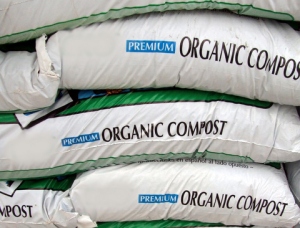
 You’re gotten your test results back from the soil lab, telling you to add some organic matter. What’s the best thing to add?
In the past, I’d just bop on down to the local garden center and load up a few bags of… something. Soil amendment, composted manure, planting mix, potting mix, top soil, compost… there are hundreds of products, and the names are pretty random.
So are the ingredients. Since there are no legal standards, these bags can contain whatever the manufacturer wants them to. There’s no labeling law, either. If there’s a label at all, often you’ll see something like, “Contains (peat, forest products compost, and/or compost), wetting agent, fertilizer.” You have no idea if this particular bag has peat or compost, much less what went into that compost. And what’s a forest product? Bark? Sawdust? Squirrels?


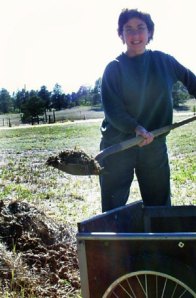 You can easily increase the percentage of organic matter in your soil by adding compost or another organic amendment. This added humus will act as a sponge, increasing water retention in sandy soils. On the other hand, in clay it acts to improve drainage by increasing the size of air and water spaces. Plus, organic matter works with your fertilizer by holding nutrients in a form that is available for absorption by roots. As you can see, organic matter is an important component of healthy soil.
 Mountain Plover