
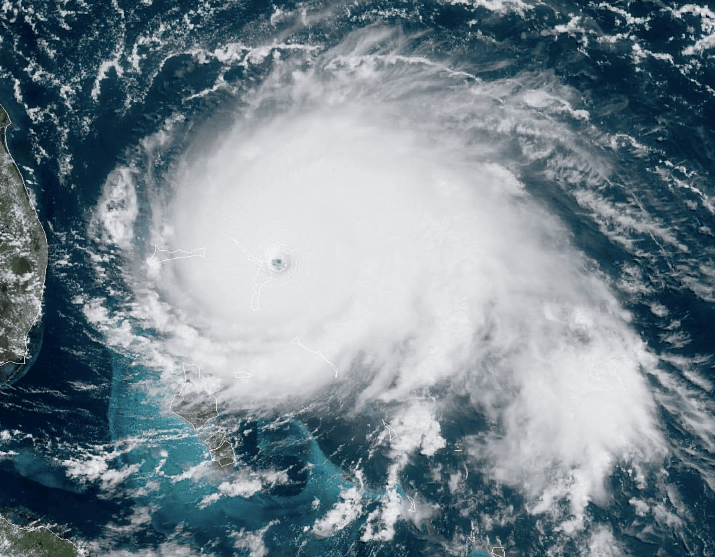
 Dorian isn’t the first hurricane to pound the Caribbean, although she was definitely one of the biggest. Now she has churned her way through the Bahamas—dumping four feet of rain in some places—and along the southeastern coast of the U.S., causing tremendous flooding, demolishing buildings, and taking lives. Pete and I visited South Carolina and Florida last winter, and we’ve sailed the Abacos Islands in the Bahamas. Birds were everywhere. Now, I think of all those birds struggling to survive in the midst of those 150+ mph winds, and I wonder—how do such fragile creatures survive a hurricane?

 You’re out in the yard enjoying the garden, or lying in bed in the stillness of the night, when you hear them. It’s a unique sound, a resonant, nasal honking, sounding much like a high flying traffic jam. I may be challenged when it comes to distinguishing warblers or sparrows by their calls, but Sandhill Cranes are so distinctive, even I recognize them as they fly by. Summer is over, and the cranes are heading south. Since I’m in Colorado, their destination is likely Bosque del Apache National Wildlife Refuge, in central New Mexico, although they range as far south as Mexico and Cuba, and as far west as Siberia.
 Usually, Colorado’s seasons have little to do with the calendar. This may be the vernal equinox, but we still expect snow and it’s way too early to plant those tender flowers and veggies. After gardening in California for years, I’ve mostly adapted to the challenge here, but from March through mid-May I would drag around the house feeling frustrated that I couldn’t plant anything the least bit frost-tender.

 How can a bird be that tiny? And how can anything that tiny have that much stamina?
 The sun is starting to color the eastern sky, although it won’t appear over the horizon for almost another hour. Flocks of songbirds that have been flying all night finally give in to the overwhelming need for food and rest before resuming their northward migration.
 Mountain Plover