
 The seasons have changed. The grosbeaks, hummingbirds, and other birds of summer have left for more tropical climates, but they’ve been replaced. Ducks, loons and grebes that spent the summer in the far north are showing up on local ponds. Rough-legged Hawks sit where Swainson’s hung out a month or two ago. Sandhill Cranes are headed for their winter feeding grounds in New Mexico. Instead of Chipping Sparrows at my millet feeders, I have flocks of Juncos.
Since the actual number of birds doesn’t really seem to change that much, I often wonder why birds bother to migrate at all. If Juncos can survive the winter here, why not Chipping Sparrows? (more…)
 Late August is one of my favorite times to go birding. Maybe that’s because I really like shorebirds. I grew up near the beach, and studied marine biology in college—and I still get excited about anything to do with the ocean. The shorebirds here in Colorado are nowhere near a coastline, but they’ll have to do, at least for now.
 While we’re still shoveling snow and scraping windshields, bluebirds are thinking about spring. Colorado has three species of bluebirds, Eastern, Western (seen here) and Mountain, and all of them are what birders call “early nesters.”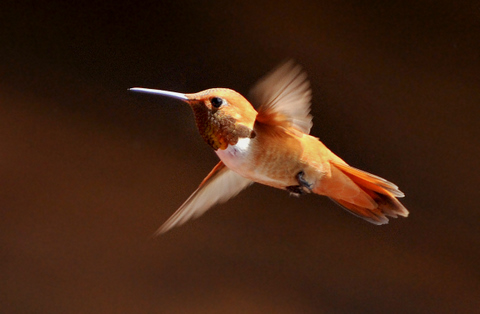

 Mountain Plover