Dressing Plants for Winter

We’re turning on the heat, unpacking our winter sweaters, and looking up our favorite soup recipes. And if we’re gardeners, we may be figuring out the best way to protect our plants for winter. Lately I’ve been seeing ads for rose collars and burlap wraps. Should I buy some?

Many hybrid roses are grafted onto rootstocks bred for hardiness, not pretty flowers. It’s imperative to protect that graft union in very cold weather. If the top half of the plant dies, the roots will send up shoots next spring—we won’t be aware that anything is wrong until our petite pink rose suddenly grows into a huge sprawling shrub with ugly white flowers.

(more…)

Fabulous Four O’clocks

Mirabilis multiflora - Desert Four O'clock @XG 9aug05 LAH 080 printIn a field crowded with contenders, I have a new favorite wildflower. This plant is incredible—large, flashy, tough, gorgeous. What more could you want? Best of all, it’s thriving in my yard. I’m in love.

Most four o’clocks are sedate, old-fashioned garden flowers, something you’d see surrounding a cottage, combined with hollyhocks, old roses, and other grandmotherly plants. The Desert Four O’clock (Mirabilis multiflora) is like the grandma who dies her hair brilliant pink, wears short skirts with black fishnet stockings, and rides a Harley.

(more…)

Pear-shaped Little Suckers

aphids-on-hibiscus-closeup-butpav-lahExclaiming over the lovely colors, I went to put the bouquet of bearded irises into a vase. As I took out a sharp pair of scissors to cut the stems to size, I noticed a bumpy layer of pale green… something, tucked into the crevices between the leaves. On closer inspection, I realized they were aphids. OK, sort of gross, but not terminally so. Then I realized I had smooshed aphid bodies all over my fingers.

Ewww!!!

(more…)

What Did You Say?

Colorado State Univ. Field DayMany people talk to their plants. Whether or not it makes a difference, we chatter on about the weather, how nice the plant is looking, perhaps how shiny a leaf or pretty a flower. Of course, the plants don’t really hold up their end of the conversation. I’ve heard nary a peep from my peony, nor a single ahem from my Agastache. Even if they could talk, I doubt we’d find the conversation stimulating. After all, plants don’t have brains. But a lack of brain and vocal cords doesn’t stop plants from communicating. We just have to learn their language.

(more…)

Gardening Quiz: Answer

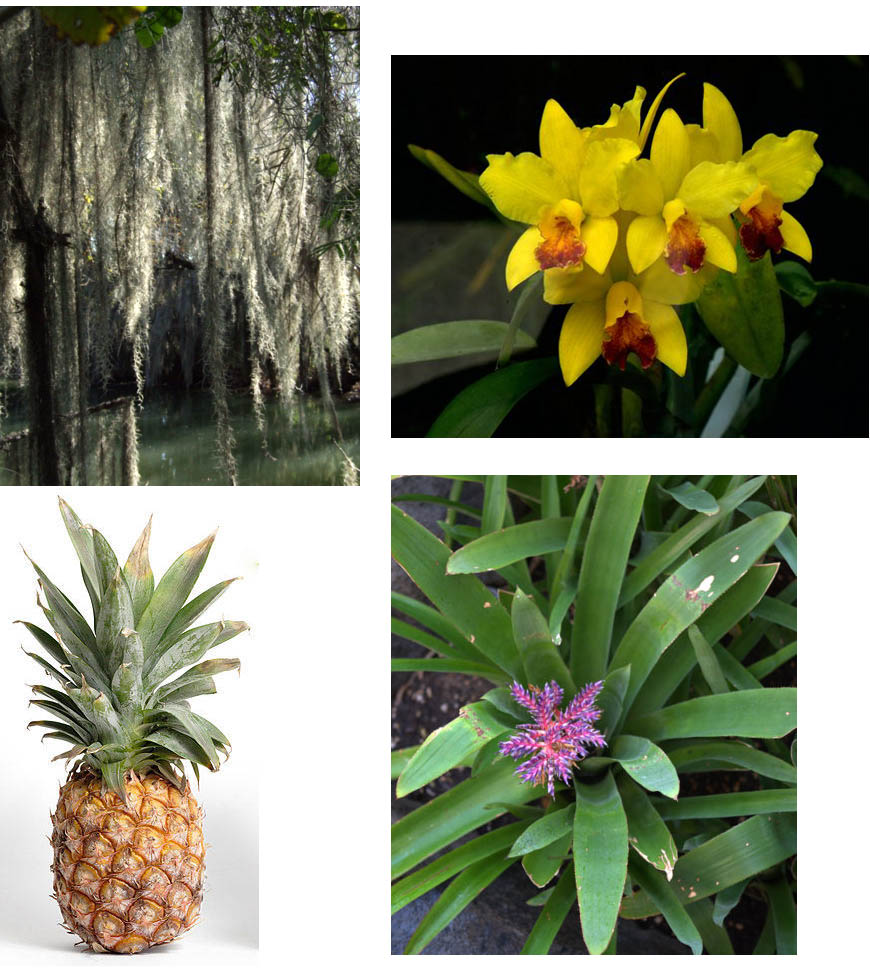
bromeliad quiz groupToday’s post is the answer to last week’s post, so if you haven’t yet taken a look at that, I suggest you do so now.

So, did you solve my little botany quiz? The correct answer is…

But wait a minute. Did you recognize all those plants? Going clockwise from the upper left corner, we have Spanish moss, a lovely orchid, a tropical bromeliad, and a pineapple.

Now do you know the answer?

(more…)

Frozen

2014-11-12 16.09.46I know we live in Colorado, but it feels more like the arctic outside! As I write this, my thermometer is hovering around 2°F—and it’s been there all day! I’m glad I have a nice warm house to bundle up in, but my plants aren’t so privileged. Aside from the potted herbs that I hastily dragged indoors, my shrubs and flowers are stuck where they grow. I have a hunch they’re not all going to make it.

To make matters worse, this fall has been mild, at least until now. With highs in the 60s and even 70s and lows barely below freezing, many of my perennials still had green foliage. It takes gradually cooling temperatures for plants to properly harden for winter. These poor victims never saw it coming!

(more…)

Blood-thirsty Plants

Audrey LSOHOne of my favorite plays is Little Shop of Horrors. It’s about a flower shop that inadvertently acquires a plant that murders people. It’s the perfect Halloween movie. Our kids were involved in their high school production; I can still see Audrey II licking her bloody lips!

Are there really plants like Audrey that need blood to survive? Well, perhaps not blood, exactly, but there are plenty of carnivorous plant species—and who knows what they do when we’re not looking?

(more…)

A Plant by Any Other Name…

Blue Columbine - Aquilegia caeruleaHow do you pronounce Gomphocarpus physocarpus? What is it? And how can we ever remember how to spell it? What’s Aquilegia caerulea? You might know it as Colorado’s native Blue Columbine (right). Or how about Symphyotrichum novae-angliae? Isn’t it simpler just to say New England Aster? Scientific names are enough to drive gardeners crazy, so why in the world do we need to bother with them?

Scientific names, also called Latin names, can be annoying, but they serve a valuable purpose. We owe a huge thank you to Carl von Linné, the Swedish biologist who, back in the 1700s, invented what we now call binomial nomenclature. He also had the bright idea to use Latin, or at least to Latinize the words from another language, in order to avoid giving preference to any nationality. Scientists all around the world use the same Latin name to designate a particular species.

(more…)

What’s This Plant?

unknown plantWhat’s this plant? Gardeners aren’t the only ones who find themselves wanting to identify a particular flower or shrub. Hikers like to learn the names of wildflowers, new homeowners want their landscape labeled, and most of us just get curious at times. With my new job (answering plant-related questions, either identifying them or diagnosing a problem), I’ve been identifying a lot of plants lately (if you missed it, I’m now working for a gardening app), and I’ve learned some tips.

There are two approaches to plant ID. The easiest for a non-botanist involves noticing some eye-catching feature and then either flipping pages in a colorful field guide or searching the internet for that attribute. Most wildflower guides are arranged by color, simplifying this process.

(more…)

Garden Compass

compassI have a new job, and I love it. It involves identifying plants and finding out what ails them, quite a bit similar to what a master gardener does. Sure there are frustrations…

What plant is this? I stare at the green blob in the photo, frustrated that the cell phone camera focused on the fence in back rather than the leaves in front. Is it a shrub or a tree? How can I possibly identify it if I can’t even see it?

What will this seedling grow into? Is it a weed? There are two cotyledons and two true leaves, and they look like every other seedling in my book.

(more…)