
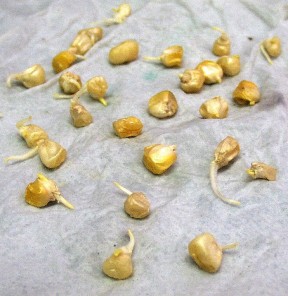
 Vegetable seeds will germinate with or without soil. All they really need is an infusion of water to swell the seed coat, and sufficient warmth to signify spring. In fact, seeds for our most commonly grown food crops are among the easiest to start. They will begin their growth on a paper towel, a bed of agar, or even while still inside the fruit where they were formed! The home gardener can put this fertility to good use.
Tag: seeds
Starting Seeds: Growing Transplants
Congratulations. You are the proud parent of a tray (or more) of baby plants. Remember, though, with parenting comes responsibility.
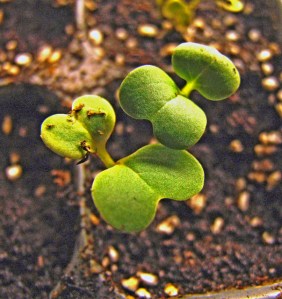
Once your seedlings are up and growing, they’ll require almost daily attention. If your potting mix did not contain fertilizer, you’ll need to start a feeding schedule. Wait until the first true leaves appear. (The initial “seed leaves” are the cotyledons, which contain plenty of food to get the baby off to a good start.) Use any liquid all-purpose fertilizer at half-strength, twice as often as the directions tell you.
And speaking of water, don’t let them dry out! At this stage, wilting is fatal, Even if your plants survive, they will suffer the effects of this trauma all their days. The ultimate crop yield will be smaller, and won’t taste as good, compared to plants that grew unchecked. Continue to water from the bottom, using water that is room temperature or lukewarm. You don’t want to shock their little roots with ice water!
Starting Seeds: Light
If you’ve ever tried growing seeds indoors, you may have ended up with tall and spindly plants, flopping over, adorned with pale leaves. When planted outside, these ungainly wisps quickly succumb to bright sunlight and the gentlest of breezes. What’s a gardener to do?
While overabundant food and water, coupled with too-warm temperatures, contribute to this problem, the primary culprit is insufficient light.
The crops most commonly grown in our veggie gardens all require full sun—at least eight hours per day. Likewise, bright light is essential for producing stocky seedlings with healthy green leaves.
Starting Seeds: Soil and Water
Do not start your indoor seedlings in soil.
Does that surprise you? Yet, even good garden loam is not the best choice for growing transplants.
For one thing, soil is more than just dirt. It is full of micro-organisms such as nematodes, bacteria, and fungi. Out in the garden, they keep one another in check. Indoors, it’s another story. One of the most common causes of seedling failure, “damping off” is a disease causes by a fungus. Once infected, it is fatal to the baby plants. The only hope is prevention.
You do have the option of sterilizing your garden soil. You can bake it at about 250º F for several hours. That will kill all those nasty diseases. It will also create a stench in your home. If you want to stay on good terms with your housemates, this is not the best way to go.
Starting Seeds: Containers
Raise your hand if you remember starting seeds in elementary school. Perhaps they sprouted in the cells of a cardboard egg carton. Sound familiar? Now, did your seedlings grow and thrive? Hmm, thought so. Granted, you probably forgot to water them, or you dropped the whole shebang on the way home from school. But it wasn’t all your fault. Egg cartons make awful seed starting containers.
What should you use to start those little seedlings? There are a number of excellent choices. Suitable containers share several attributes.
Starting Seeds: Seeds
You’ve decided to grow your own transplants this year. You’ve checked your average last frost date, so you know when to start. Now it’s time to think about seeds.
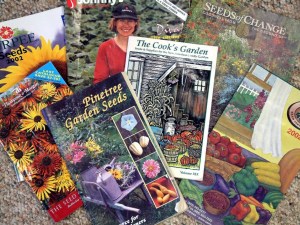 The seed catalogs that arrived around the first of the year are now well-worn, with pages dog-eared and varieties circled. I spent blissful hours going through every one, comparing glowing descriptions and luscious photographs. Having a pre-determined planting list[1] and budget helped me exercise at least some self control. I finally made my order about a month ago, which is much later than usual. Now I’m haunting the mailbox, waiting for my seeds to arrive. Next year I’ll make a point of ordering in January, so I’m prepared when spring comes.
Starting Seeds: Timing
Crumbly potting soil, warm water, tiny seeds—I love starting my veggie garden. Even though we had almost a foot of snow two days ago, I was happily planting lettuce and tomatoes, peppers, broccoli, kale and cabbage. When your growing season is as short as mine is, it’s essential to start many crops indoors.
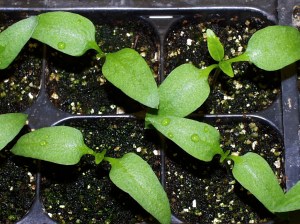 Of course, you can buy started seedlings at your local garden center. But where’s the fun in that? I prefer to take advantage of the wider selection of varieties found in the seed catalogs. I want seedlings that are stocky and healthy, not leggy and root-bound. Plus, there’s a certain satisfaction in knowing that you grew your plants yourself.
The first step to success is planning. What is the average last frost date for your area? You can ask a gardening friend, contact your local Master Gardener help desk, or check the Farmer’s Almanac website.
 Mountain Plover