 Japanese Barberry (Berberis thunbergii) is one of those plants that seems to show up in every Colorado landscape. From parking lots to office buildings, highway medians to front yards, it’s everywhere you look. When a shrub is used that much, we tend to become jaded to its finer qualities. But the fact that it thrives everywhere while managing to keep its attractive appearance is exactly why we see it in so many places. I admit to being a bit of a plant snob, ignoring barberry in favor of more glamorous shrubs. It was only as I was scrolling through my photos that I realized just how pretty Japanese barberry is.
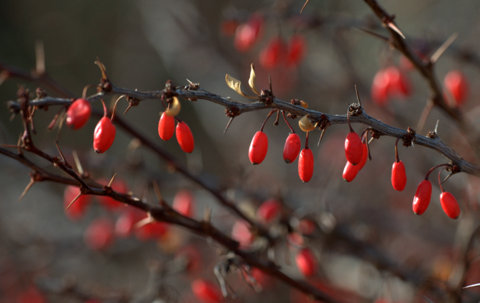
 It’s a good thing that barberry keeps to a modest size—plants can grow up to six feet in diameter but usually only reach half that size here in Colorado. Pruning them can be a nightmare, as the arching branches are covered with nasty thorns. Chain mail and gauntlets are required. Leaves are small, as befits a drought-tolerant species, and come in red or green. Rather inconspicuous yellow spring flowers turn into pretty red berries in the fall. As the leaves turn crimson and orange and then fall, the berries take center stage, adding color and interest when most plants are fading away.
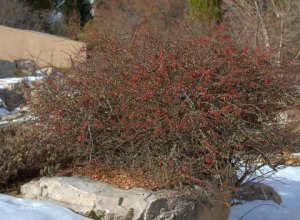 Barberry is one tough plant, a huge problem in the northeast where they’ve become invasive but a feature here in Colorado. They’re hardy in zones 4 through 8, and not fussy about soil or exposure. Cultivars with red leaves are more brilliant in full sun, but the plum red they turn in shade is just as pretty. Water regularly to get them established. After that, it’s all right to cut back a bit, although more water creates lusher growth and more berries. Shrubs will be much more attractive if allowed to develop their natural shape, pruned only to remove old, woody growth branches.
 Even the thorns can be a benefit. Deer tend to avoid them while small birds appreciate this well-defended roost, munching on the berries in safety. Planting these shrubs under a window forms a formidable deterrent to would-be burglars.
Barberries are subject to a number of pests and diseases, including scale insects, mites, Japanese weevils, canker, dieback, fungal leaf spots, powdery mildew, root rot, Verticillium wilt, and rusts. However, these are quite rare in our dry climate. Just don’t plant them where Verticillium wilt has been a problem in the past, as it persists in the soil.
Japanese Barberry might be a bit overplanted, but after considering its many assets it’s easy to see why.


 Looking for a small perennial with a big impact? Consider Pineleaf Penstemon (Penstemon pinifolius). True to its common name, this low-growing plant has long, narrow leaves similar to pine needles. They hang on well into winter, and may be evergreen even in some colder climates. But it’s the flowers that steal the show. The dense mass of vivid scarlet red simply takes your breath away!
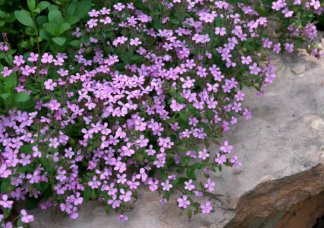 It’s such a pretty plant, petite and delicate, only a few inches high and covered with quarter-inch flowers of the softest pink. It’s the kind of groundcover perfectly suited for small spaces, rock gardens, and fairy bowers. It can even be used as a lawn substitute, as it tolerates limited foot traffic. With so much to recommend it, I’ve often wondered why this hardy perennial isn’t more popular. Perhaps it just needs a better name. “Soapwort” fails in the marketing department!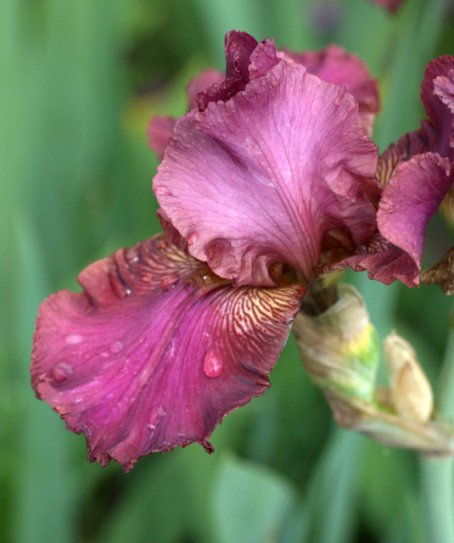

 In a field crowded with contenders, I have a new favorite wildflower. This plant is incredible—large, flashy, tough, gorgeous. What more could you want? Best of all, it’s thriving in my yard. I’m in love.
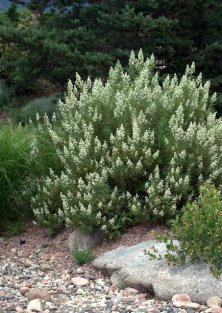 From a distance, a blooming fernbush (Chamaebatiaria millefolium) resembles a lovely white lilac bush, but no lilac would be in bloom at this time of year. Growing to seven feet high and wide, these shapely shrubs are covered in upright sprays of showy white flowers from June through August. Individual blossoms are reminiscent of single roses, and attract bees and butterflies. Come autumn, the flowers are replaced by russet seed heads.


 Mountain Plover