
 I keep talking about dirt. That is, I seem to have a soil fixation. Perhaps that’s because gardens begin with the soil. Properly prepared soil produces healthier plants, reducing the need for chemical sprays and fertilizer, and making more efficient use of water. Last May I discussed what soil is, and how to amend it. Today I want to expound a bit on the various types of amendments. I’ll also repeat myself a bit. That sort of thing happens as one gets older.
While living along the Front Range has many benefits, our soils are really pretty pitiful. Unless you are content growing a limited number of native plants adapted to this area, you’re going to have to improve on nature. What’s an environmentally responsible gardener to do?
In new plantings, it is worth spending a little time and money for a soil test. Knowing what your soil has, and what it lacks, helps you avoid many time-consuming and expensive mistakes. Follow the test result directions to maximize fertility and soil health. There are natural materials available to raise your levels of nitrogen, potassium, and phosphorous.
 Hot August weather. Wetlands, tadpoles, mosquitoes in abundance. Cattails and algae blooms. And of course, dragonflies!
 Oh no! My organic garden is being consumed by organic bugs! Now what do I do?
 “Birding is really inexpensive! All you need is a pair of binoculars and a field guide!” I was trying to explain to my ever-patient husband why this new fascination of mine was such a great idea.
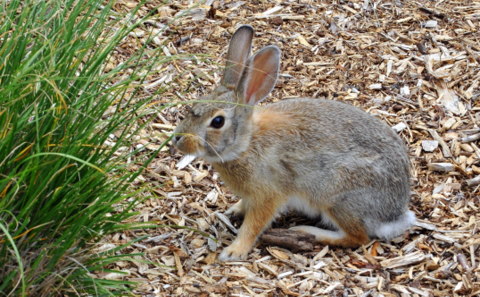



 Mountain Plover