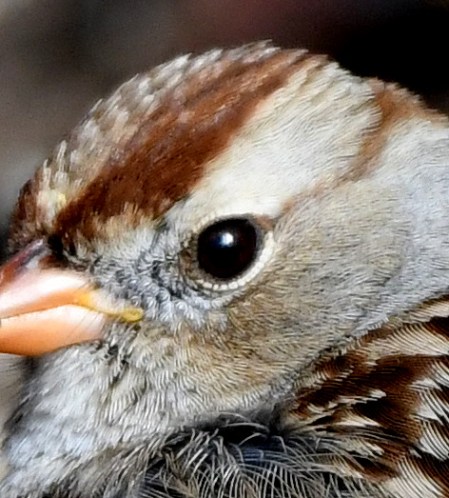
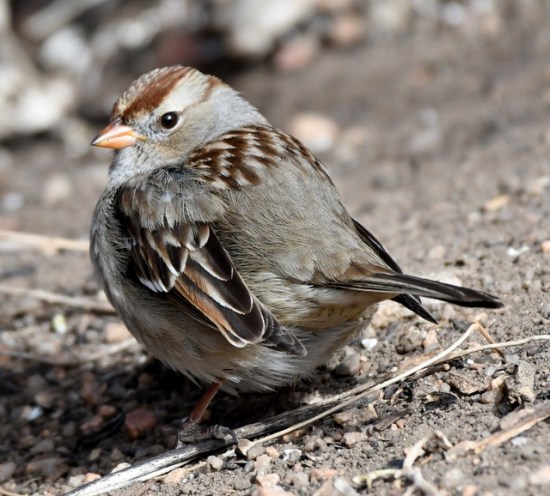
This bird was photographed in Colorado in February. Can you name it? The answer will appear at the end of next Monday’s post.
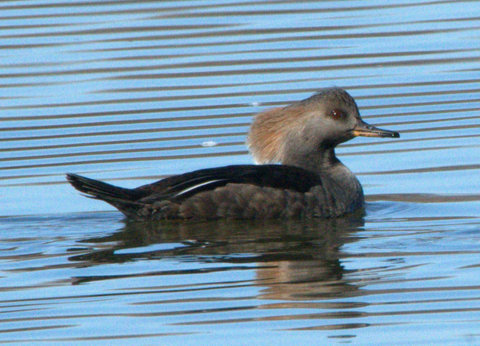

This bird was photographed in Colorado in February. Can you name it? The answer will appear at the end of next Monday’s post.


One of my goals for this year is to spend more time outside, birding and taking pictures of birds. So with that in mind, I headed to the county park and nature center south of town. I’ve been birding there many times. When I was just starting out, I frequently encountered species new to me. Now, after more than 15 years, I’m just happy to see birds—any birds—and hopefully get a decent photo or two. I figure I can always improve on what I’ve already taken.


Does a bird migrate long distances? Odds are, it has long wings. Or perhaps it prefer to walk or run—you can predict it will have long legs. Birds that swim—diving ducks, coots, auks, penguins, dippers—tend to share the same body shape, and if they catch fish, their beaks are similar too. Many Alcids (auks, murres, puffins, and guillemots) and penguins are shaped pretty much the same, and some even have the same coloring, though they’re poles apart.
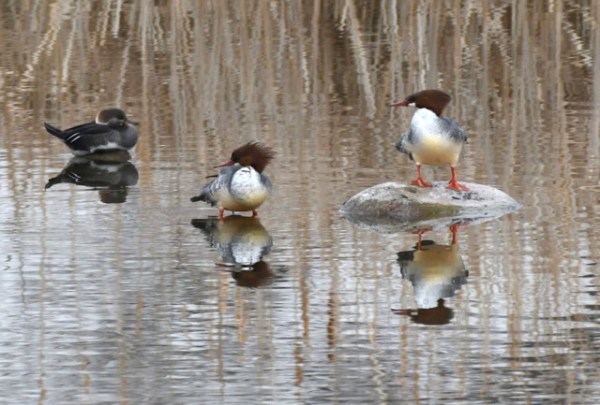
I have a tendency to be a fair-weather birder. Give me warm, sunny days, balmy breezes, and sparkling blue ponds and lakes. Trees are full of leaves, bugs, and birds. With all the summer migrants in town, trip lists run long. Singing males are easier to spot, and the rituals of mating and raising young, offering additional opportunities for the wildlife photographer.
It has taken me a long time to appreciate winter birding. Temperatures dip below freezing and it may snow. Roads can be treacherous, providing unwanted excitement just getting to the birding destination. Many birds have heeded to call to migrate, and those left behind tend to be drab, matching the winter landscape. And then there’s the silence. I hear no songs, not even much chirping. Yes, there are birds out there, but where?
And yet…
With the start of a new year, I thought I might do something a little different with the monthly quiz. No, I’m not going to tell you what it is. You’ll figure it out eventually!
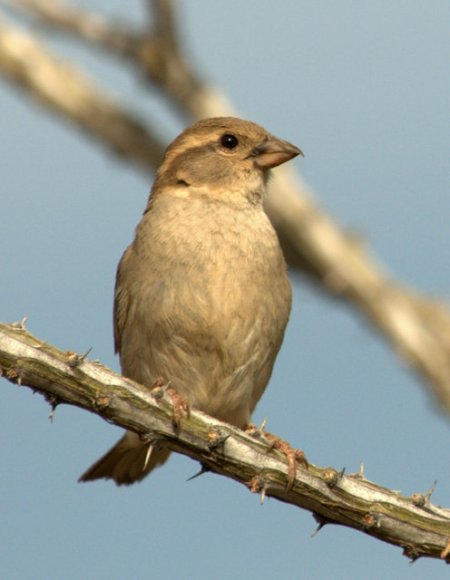
This year the photos won’t be cropped. Instead, I’ll start you out with an easy one. This bird was photographed in Arizona in April. Can you identify it? The answer appears next Monday.


See you next year!

When out in the field identifying birds, how often do we look at the feet? For me, at least, the bird’s feet may be the last thing I take note of—if I can see them at all. Wading and swimming birds keep their feet under water and out of sight, and mind. Perched birds’ feet are often hidden in the foliage, or too small to see from a distance. Yet, bird feet can provide a clue, not just to a bird’s identity, but also to its habitat, diet, and general lifestyle.


One of my favorite birding sites, especially in winter, is Eleven Mile Canyon, near Lake George, Colorado. It may seem odd to head up the mountain—to over 8,000 feet—in winter, but I’d rather have cold than crowds of people camping, picnicking, and especially fishing. Besides, the stream runs even in the most frigid conditions, at least under the ice. Typical sightings include Bald Eagles, Common Ravens, Mountain Chickadees, Song Sparrows, and always American Dippers.
If you were stymied on Monday, now can you name this bird? The photo was taken in Colorado in January. The answer will appear at the end of Monday’s post.
This bird was photographed in Colorado in January. Can you name it? I will post the uncropped photo on Saturday, giving you one more chance to identify the bird. The answer will appear at the end of next Monday’s post.