
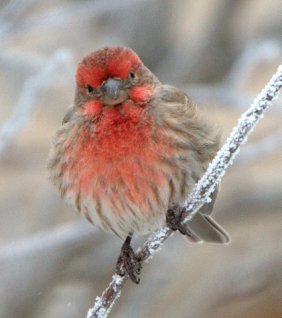
 The summer birds have all departed for southern climes or lower altitudes. Many of our human friends have done likewise. Those of us who remain are simmering soup, digging out winter clothes and making sure our homes are snug and warm. The birds who hang around all winter have the same needs—high energy food, winter clothes and snug, warm homes.
We can’t help much with the wardrobe—birds already have down jackets! When they get cold, they simply puff up their feathers, trapping warm air against their bodies. This works remarkably well—until the wind kicks in. And we have a lot of wind.




 You’re out in the yard enjoying the garden, or lying in bed in the stillness of the night, when you hear them. It’s a unique sound, a resonant, nasal honking, sounding much like a high flying traffic jam. I may be challenged when it comes to distinguishing warblers or sparrows by their calls, but Sandhill Cranes are so distinctive, even I recognize them as they fly by. Summer is over, and the cranes are heading south. Since I’m in Colorado, their destination is likely Bosque del Apache National Wildlife Refuge, in central New Mexico, although they range as far south as Mexico and Cuba, and as far west as Siberia.
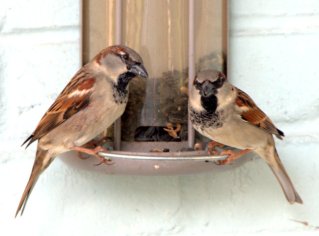 House Sparrows are frequently despised by North American birders. An invasive species, they commandeer nest cavities needed by native birds, hog feeders, and generally make a nuisance of themselves. Agricultural pests, they’re the target of various, and usually unsuccessful, “control” strategies, yet I have to admire this species. In spite of all our attempts at thwarting them, House Sparrows continue to thrive.

 Mountain Plover