
 One of my perverse pleasures is perusing Pintrest to find bad garden advice. There’s certainly no lack of misinformation on the web, and Pintrest seems to collect it all. Most advice is simply a waste of time and money—sprinkling Epsom salts on your plants, spraying weeds with vinegar, pouring beer on your lawn. They don’t help, but they won’t kill your plants either. However, yesterday I came across a recommendation that will seriously damage your garden. I was so horrified that I immediately sat down to write this post.
Category: Garden Myths
Garden Advice: More Misconceptions
Here are three more cases where the standard gardening advice won’t do your plants any favors. (If you missed my previous posts on this topic, try typing “garden advice” into the search box at the top right of this page.)
 Vitamin B1 stimulates root growth. No, it doesn’t. A study done in the 1930s showed that when disembodied pea roots were placed in a petri dish saturated with vitamin B1 (thiamine), they grew. From this, they concluded that pouring a vitamin B1 solution over newly transplanted plants would help them get established. However, the plants in your garden are not detached pea roots, and they’re not growing in a petri dish. Further research has shown that adding B1 does nothing to help reduce transplant shock, but it will have an effect on your wallet. If you want to encourage roots, look for a product containing a rooting hormone instead.
Garden Advice: Marigold Myths
 It sounds too good to be true. Not only are marigolds pretty, but growing in your vegetable garden will protect your harvest from nematodes, beetles, hornworms, whiteflies, squash bugs, thrips, hornworms, and even rabbits. I know it must be so, because I read it on the internet:
- “French marigolds repel whiteflies and kill bad nematodes. Mexican marigolds are said to offend a host of destructive insects and wild rabbits as well.”
- “Annual Marigolds can be used anywhere to deter Mexican bean beetles, squash bugs, thrips, tomato hornworms, and whiteflies. They are also known to repel harmful root knot nematodes (soil dwelling microscopic white worms) that attack tomatoes, potatoes, roses, and strawberries.”
- “Marigolds also repel pests, including beetles and nematodes.”
Gee, if it’s that easy, why not? Marigolds are easy to start from seed, grow quickly, thrive almost anywhere, and produce tons of sunny yellow and orange blooms all summer long.
Keeping Mosquitoes at Bay
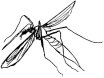 Last month we learned that the so-called mosquito repellent plants don’t actually keep our yards pest free. Does that mean we have to suffer annoying, itchy welts? Thankfully, there are alternatives. We start by preventing mosquitoes from breeding.
Most of us know that mosquitoes lay their eggs in water. The eggs hatch into aquatic larvae. In as little as three day (depending on the temperature), those larvae become flying adults. The males leave us alone, but the females suck up a gut full of nutrient-rich blood to support egg-laying. And often, that blood comes from us.
Garden Advice: Companion Planting
 Do carrots really love tomatoes? Do beans and onions hate one another? The internet (and my bookshelf) is full of anecdotal advice about which crops we should plant together, and which ones we should not.
There’s a well-known book that’s been around for ages called Carrots Love Tomatoes: Secrets of Companion Planting for Successful Gardening, by Louise Riotte. It offers page after page of “facts” about companion planting. That sounds really helpful, and I was ready to try it all, but unfortunately, when I dug in online, I discovered that there is very little science behind the advice.
Mosquito Repellant Plants? Caveat Emptor
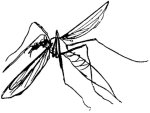 I sometimes wonder why God made mosquitoes. They’re so… annoying! No one enjoys getting bitten. It’s more than just the never-ending itch—they carry some very nasty diseases such as malaria, yellow fever, and chikungunya. Even here in the U.S. we’re at risk of West Nile, dengue, viral encephalitis, and now zika.
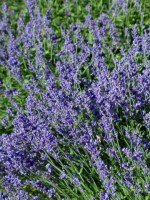 My Facebook feed is suddenly overflowing with lists of plants that supposedly repel mosquitoes. Just plant these flowers and herbs and your yard will be pest-free! Or, as one post on Pintrest claimed, “Plant a Mosquito Control container so you can sit and unwind in the evenings.” Unfortunately, anything that simple raises a red flag for me. Can controlling mosquitoes really be as easy as planting marigolds and lavender? It took some research to get past the hype, but I eventually found some scientific studies that look at this question.
Epsom Salts in Colorado: NOT
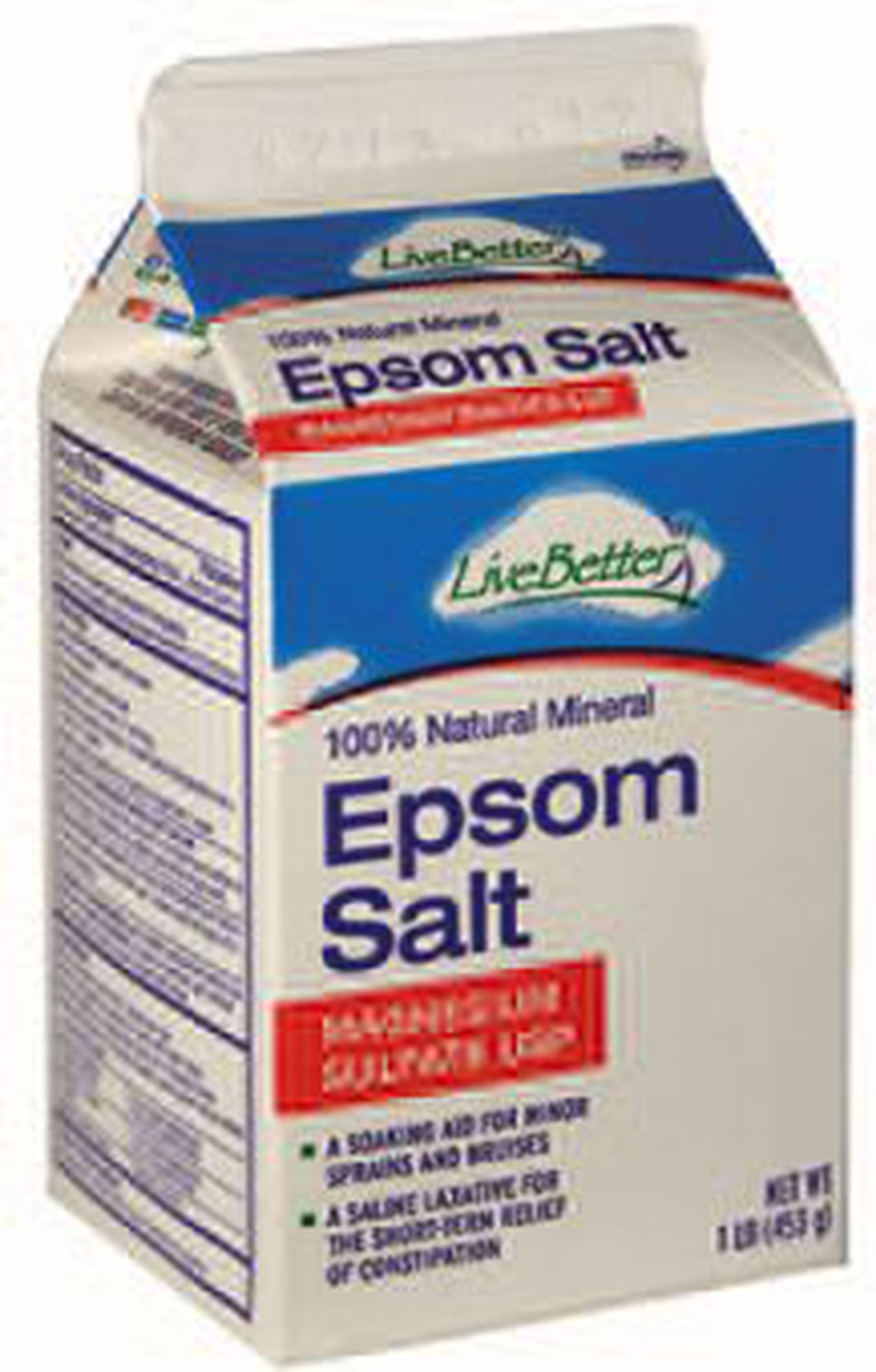 Epsom salts are often recommended as ways to improve your garden. A quick Google search turned up claims that they will improve seed germination, increase the size and number of flowers, reduce fruit drop, increase nutrient absorption, counter transplant shock, green up your lawn, prevent leaf curling, deter slugs, kill weeds, grow sweeter fruit, produce sweeter tomatoes with fewer problems such as blossom rot, increase pepper yields, and result in more and bigger roses on healthier plants. Wow. With benefits like these, we should all be putting Epsom salts in our gardens!
 Mountain Plover