
You’ve decided to grow your own transplants this year. You’ve checked your average last frost date, so you know when to start. Now it’s time to think about seeds.
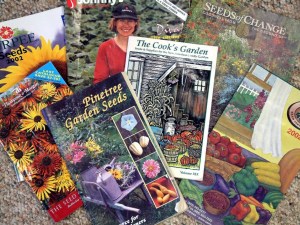 The seed catalogs that arrived around the first of the year are now well-worn, with pages dog-eared and varieties circled. I spent blissful hours going through every one, comparing glowing descriptions and luscious photographs. Having a pre-determined planting list[1] and budget helped me exercise at least some self control. I finally made my order about a month ago, which is much later than usual. Now I’m haunting the mailbox, waiting for my seeds to arrive. Next year I’ll make a point of ordering in January, so I’m prepared when spring comes.
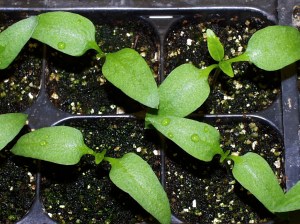 Of course, you can buy started seedlings at your local garden center. But where’s the fun in that? I prefer to take advantage of the wider selection of varieties found in the seed catalogs. I want seedlings that are stocky and healthy, not leggy and root-bound. Plus, there’s a certain satisfaction in knowing that you grew your plants yourself.
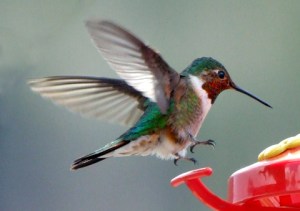 A brightly colored hummingbird zooms past on its way to a feeder. A finch fills the air with music. Birds provide us with hours of entertainment. How can you welcome more wild birds into your yard?


 While we all want to gain maximum use from our yards, it’s very helpful to prioritize. Perhaps you entertain a lot, and your garden wish list includes a deck or patio, a fire pit, and a lawn for playing games. Or perhaps you are the introspective sort, and you want a garden bench under an arbor, a reflecting pool, and paths wandering through your plantings. My priorities include food and water for the birds, a secluded place from which to watch them, and a vegetable garden. Limiting yourself to three main features brings a sense of unity to your landscape.
 Here I am, still in the middle of winter. There are five more weeks until spring, and that’s just according to the calendar. At my altitude of 7,000 ft, I won’t be seeing green until the end of April. I need something to encourage and motivate me… something green and flowering… something more productive than pacing the floor, complaining about the gloom, and dreaming about a trip to the Bahamas that isn’t in the budget.
 Mountain Plover