Defeat Your Weeds

dandilion-boulderco-3may07-lah-048With the weather swinging wildly between winter storms and balmy sunny days, it must be springtime in the Rockies. The snow reminds us that it’s much too early to plant, but the warm days in between beckon us outside. What’s an antsy gardener to do? Happily, there are things you can do to prepare for the gardening season. Unhappily, one of the most important chores is weed control.

Daffodils and tulips are sending up leaves, perennials have tiny, tentative shoots, grass has a green tinge—and weeds are exploding out of the ground. This is the time to gain the upper hand.

(more…)

Abusing Your Seeds

If you’re having trouble getting some of your seeds to germinate, it may be that you’re being too nice to them. Armed with tough defenses against all that nature can throw at them, some seeds refuse to grow unless they’re forced to. This year, consider seed assault and battery, followed by water torture. Here’s how to abuse your seeds.

Scarification

Morning Glories have hard seed coats.
Morning Glories have extremely hard seed coats.

The coat of some seeds is very hard and tough. Normally, this protects the seed and ensures that conditions for germination are favorable. In nature, seeds may pass through the digestive tract of a bird or animal, or be burned in a fire. A hard seed coat gives these seeds a longer storage life as well.

Since you’re unlikely to eat or roast your seeds, you need to provide another way for air and water to reach the tiny embryo inside that armored seed coat. Using chemical or mechanical means to create a weak spot or crack in the seed coat is called “scarification.”

(more…)

Noxious Weeds

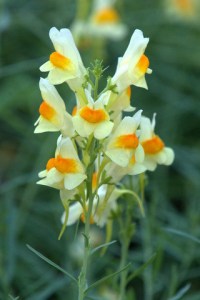
Toadflax is on Colorado’s Noxious Weed List “B”

There are aliens among us. They didn’t come from outer space. Instead, they invaded our country from their native lands around the world. Some hitchhiked in bales of hay or on unsuspecting travelers. Others were brought here deliberately, perhaps for their beauty or stalwart endurance in the face of adversity.

Once here, they took advantage of our hospitality and spread far beyond their original destination. These invaders are plants: grasses, flowers, even trees that are taking over our country. It’s time we fight back.

When aggressive plants arrive in a new environment, they upset the delicate ecological balance that sustains birds and other wildlife. We call them “noxious weeds” because they tend to take over the landscape, are difficult to control, and out-compete more useful natives. They are frequently useless as wildlife forage or shelter, while replacing plants on which wild creatures depend.

(more…)

Mountain Pine Beetles

monarch-lake_6588rLast summer we took a drive to Granby, just outside of Rocky Mountain National Park. While I had heard about the Mountain Pine Beetle for years, I was unprepared for the extent of the devastation. Entire mountainsides were covered in dead and dying pines, eerily resembling New England’s beautiful red fall foliage. But rather than deciduous maples and other hardwoods, these were conifers, largely ponderosas. They wouldn’t be turning green again come spring.

Many of us who live along the Front Range of the Rockies have ponderosa or other pines on our property. They’re well adapted to our climate and soils, and very resilient. But in spite of their suitability for our area, there are two major problems that pines can encounter. I discussed mistletoe last December. The other major cause of mortality is the mountain pine beetle (MPB).

(more…)

Lenten Rose, Hellebore

(Helleborus orientalis and hybrids)

helleborus_lenten-rose_portlandor_20100208_lah_9260Lenten Roses are a welcome sight after a long, lifeless winter. Hardy between USDA zones 4 – 8, they are among the earliest flowers to bloom., emerging from clumps of attractive, evergreen foliage about two feet high and 15 inches across.

The colorful sepals come in shades of green-white, through mauve pink and plum to a deep wine red. Some newer hybrids add a pale yellow to the mix. (The inconspicuous petals act as nectaries, luring bees with their sweet nectar.) Blooms come in single or double forms. Recently, breeders have developed cultivars with an open, anemone-type flower.

Originally native to Eurasia, all Hellebores are dangerously poisonous. From their roots, ancient cultures created medicines used to treat paralysis, gout, and especially insanity. It was frequently used as a purgative. Historians believe an overdose of Hellebore may have killed Alexander the Great. As some people are sensitive to the sap, it’s a good idea to wear gloves when tending your plants.

(more…)

Giving Your Seeds the Cold Shoulder

Bleeding Heart seeds need chilling.

Are you itching to get started on your spring garden?

Regardless of the prognostication of groundhogs, those of us living in the high country can expect far more than six additional weeks of winter. It’s only the end of February, and we can get snow through May and even into June. Yet, reports of crocuses and rhododendrons from other parts of the country waken in us hope that there must be something we can be doing now.

If you placed your seed order last month, odds are you’ve received your seeds. You’re desperate to plant some, but you know it’s way too early. Overgrown, leggy seedlings are failures in the garden.

Well, you’re in luck. You can—you should—get started on some of those seeds.

(more…)

Durable Plants for the Garden: a Review

durable-plantsIf you garden in Colorado, you should own this book. If you garden anywhere in the high, dry west, you should own this book. It’s that simple.

Gardening along the Front Range isn’t for wimps. Rainfall is sparse. Leaves scorch in the harsh sunlight. Weather is capricious. Soils are lean and hungry. And then there are the critters—deer, rabbits, pocket gophers—who come looking for a salad bar.

If you’ve dealt with our high winds, decomposed granite (mixed with studio-quality clay), Saharan humidity, and apocalyptic hail, you know that plants have to be sturdier than Everest and more determined than the IRS to survive.

This book introduces  you to the superheroes of the plant kingdom. It’s a guide to Plant SelectTM winners.

(more…)

Planning Your Veggie Garden: How Much Should You Plant?

264-wheelbarrow-of-veggies-closeupYour seed catalogs are well-thumbed by now. You have all your favorite varieties flagged, along with some new offerings you’re eager to try. After months of indoor weather, the gardening urge is looming large. It’s tempting to go overboard, and order every seed listed. Making a vegetable garden plan will help keep your cravings in proportion to your needs.

Even if you’re not much of a planner, some simple steps now will pay off in fewer problems and less work as the season progresses. I’ll start at the beginning: how big a garden should you grow? Cultivating more veggies than you can use increases your expenses, your work load, and your need for compost, water, and pest control.

(more…)

Angelina Stonecrop – Sedum rupestre ‘Angelina’

sedum-rupestre-angelina_dbg_10200118_lah_7253xAngelina Stonecrop is a garden asset all year long. In summer, the low-growing succulent forms spreading mats of cheerful yellow-green, adorned with clusters of yellow star-shaped flowers. These blooms attract butterflies. But it is in winter that Angelina really shines, when those same fleshy leaves turn an incredible, brilliant orange, with subtle shades of red and yellow. The colors are so intense, the ground appears to be on fire. Such a show would be welcome at any time, but is especially appreciated when everything else is dead or dormant.

(more…)

January Blooming

viola-in-snow_dbg_10200118_lah_6906xBlooming? In January?

I spent a day last week at the Denver Botanic Gardens. The weather was sunny and warm, with highs in the 50s, and I just couldn’t stay indoors. I figured I’d walk around and take pictures of the dormant plants—some look better than others at this time of year—and hardscape features. Well-designed gardens have appeal in January as well as July, and these certainly qualify as well-designed.

As I expected, the conifers and evergreens (such as Mahonia) dominated the landscape, along with the warm golds and coppers of the ornamental grasses. I was happily snapping photo after photo, enjoying the beautiful day, when I saw something peeking out from under some melting snow—several somethings—yellow and purple somethings.

(more…)