
 According to a recent report from the U.S. Dept. of Agriculture, “Extreme drought conditions exist from Colorado Springs and Pueblo to the San Luis Valley and over most of the plains to the southeast of the big metro areas.”
If you live here, this isn’t exactly news. The fields are turning brown months early, wildflowers are small and sparse, and even the most aggressive weeds are wilting.
Living in the low-rainfall west, we’re used to gardening with minimal water. Xeriscaping is a household word, and basic principles of low-water gardening are widely available. (I’ve written several posts on it too—just type “xeriscape” into the search bar.)
 Anthropologists, being scientists, are good at taking complex topics and breaking them down into manageable pieces. Whereas my husband views birders as nice-but-slightly-eccentric people, our anthropologist daughter dissects us into pieces—clothing, rituals, language, and the like. I took notes and came up with this list. Although our daughter is not, herself, a birder, I think she knows us pretty well. What do you think?
 The first thing most “normal” people notice about a group of birders is what we’re wearing. A floppy hat is essential for keeping the sun out of our eyes and preventing sunburn. A few hat pins are acceptable decoration, especially if they’re from exceptional birding locations. Beige or green pants and shirt are popular, as are vests with lots of pockets. Tennis shoes are fine, but comfortable hiking boots are preferred. Practicality trumps fashion, but we do have a dress code: nothing flashy, blend in with your surroundings, be prepared to be outdoors. A t-shirt with a bird on it is good, and you get extra points if the design is funny.
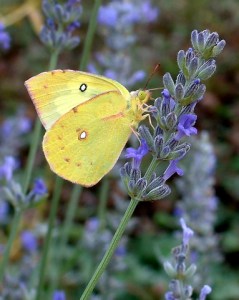 Insects have a pretty crummy reputation. Not too many people are enamored with flies, roaches, or wasps. Yet, there are a few exceptions, such as ladybugs, honeybees (in the right setting), and of course, butterflies. Who doesn’t appreciate butterflies? We’re taken with their beauty, and we hope they’ll visit our gardens. Happily, there are a number of steps we gardeners can take to encourage these “flying flowers.” Creating a landscape that welcomes butterflies isn’t difficult, and it will appeal to people just as much as it does to the butterflies.
 Aliens have invaded Colorado. Once again, a non-native species has moved into our territory and established a thriving population. In this case, it’s the European Paper Wasp (left). You can read all about it at the Colorado State University Extension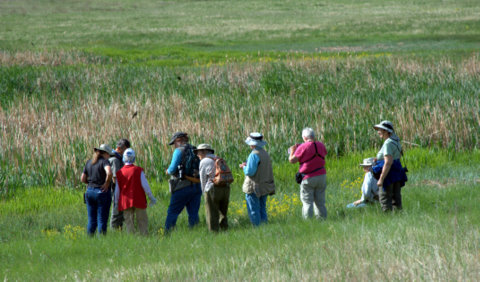

 Chickens can be pretty darn mean. The terms “pecking order” and “henpecked” have a firm basis in how a chicken society operates. Like many other animals—wolves and elephants come immediately to mind—there is an alpha chicken (left) who literally rules the roost. Every other bird knows its place too, which (most of the time) results in peaceful coexistence.
 Since my flock lacks a rooster, we have a queen hen. The other hens kowtow to her. She is always first to grab the scraps I toss into their coop, and the first to sample the fresh water when I clean their basin. And then there is the poor biddy in last place (right). She’s lacking feathers in a number of spots, not because she’s molting, but because the other hens pull them out.
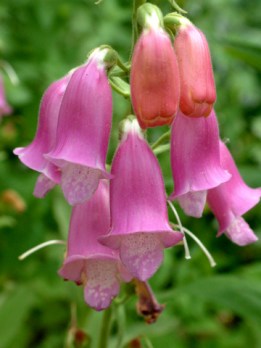 With one- to two-foot spikes of raspberry-pink flowers over a tidy mat of fuzzy foliage, perennial foxglove ‘Spanish Peaks’ isn’t your typical foxglove. Instead of the cool humidity of the British Isles, this hybrid is specifically recommended for Colorado gardens, doing well in our arid and unpredictable climate. As a result, it was named a
 I love living outside the city limits, but sometimes sharing our five acres with nature can have its challenges. I currently maintain seven bird feeders and a bird bath. Not only do we have lots of birds, but the availability of food and water brings in some unintended visitors as well.
