

Saturday morning. Wakened by my alarm, I snuggled down into my sleeping bag and listened. Trucks rumbled by on the nearby highway. The bird in the trees overhead kept up a constant chatter. But no drops were hitting the tent. The rain had stopped!
Thankfully, our field trip this morning departed at a leisurely 6:30 a.m., the first of two days photographing birds with Bill Schmoker. This was my primary reason for attending the convention, and I was eager to get started.

 Appearance
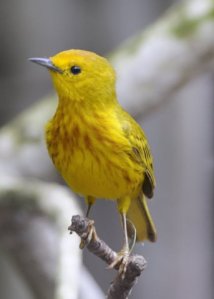 The sun is starting to color the eastern sky, although it won’t appear over the horizon for almost another hour. Flocks of songbirds that have been flying all night finally give in to the overwhelming need for food and rest before resuming their northward migration.


 Today is Arbor Day, the traditional day for planting trees. Most of us treasure trees. Planting one is an act of faith, something we do for our children, and perhaps our grandchildren. Sadly, thousands of our nation’s trees now reaching maturity are destined to an early death. They were doomed the day they were planted.
