
 It was a brisk fall day. A friend and I were hidden among the cattails, binoculars in hand, field guide open between us. We were both new at birding. The wide assortment of ducks bobbing out on the reservoir, nondescript in their eclipse plumage, was giving us fits. That’s why we had come–to learn how to identify fall ducks.
Scanning the opposite shoreline, I was ticking off mallards, shovelers, gadwalls… and gasp! What was that man doing with a gun!!? He had it pointed straight at us!
We hastily decided that this was neither the time nor place to be learning our waterfowl. Backing out of the vegetation, we turned and hurried for the car. It wasn’t until later, when we were in the car heading home, that we realized what we should have known all along. It was hunting season. Reflecting back, it’s unlikely the hunters even realized we were there, outfitted as we were in khaki and olive drab, skulking in the thick riparian foliage.
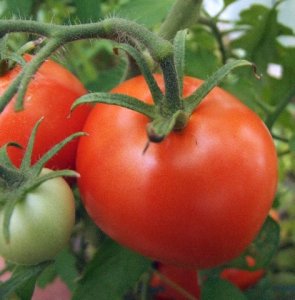 When can I pick my tomatoes? Will these melons ripen in my short growing season? If I plant these flowers from seed, when will I have blooms?
 Even before I was a birder, I could identify the male Red-winged Blackbird. Found in shallow marshes and other wetlands around the country, the black bird with the red and yellow shoulders is a familiar sight. Even the little drainage pond at the end of our street, with its sparse patch of cattails, is home to a few of these noisy blackbirds.
  With giant, trumpet-shaped flowers facing outward around a central stalk, a blooming amaryllis makes an eye-catching houseplant. Colors range from white through pink to red (and even almost black), as well as salmon-orange. Stripes or contracting edges are common. “African” amaryllis have more compact forms suited to indoor cultivation. Dwarf amaryllis are smaller in size but can produce more blooms.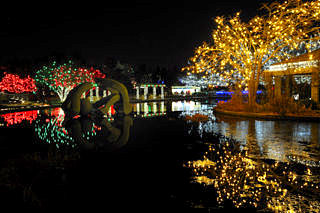
 Have you finished your Christmas shopping yet? Christmas is only two days away! Well, if you’re still scratching your head searching for ideas, I have just the thing for that hard-to-shop-for person on your list. And if you are done with your shopping, may I add one more person for you to shop for—someone you don’t know and will probably never meet?
 As we gather to give gifts to one another, it’s only natural for birders to offer special treats for the birds. There are lots of options.
 More expensive, but especially attractive to Pine Siskins, is Nyjer seed. These tiny black seeds (also called thistle) are imported from Africa. You’ll need a special feeder with smaller holes, or a fabric “sock” sold for the purpose. One advantage is that the seed is treated to prevent sprouting—you’ll have no Nyjer weeds to pull in the spring.
 It’s November. Bushes have bare branches, perennials are dead, dried stalks. Except for a few hardy groundcovers and various conifers (pines, junipers, and the like), the landscape is asleep. Except… wait! Are those daffodils in that flower bed? And does that window box really have bright red, white and blue flowers in it at this time of year?
 The sky is bright blue, the sun is shining, the predicted high is well above freezing, and it’s been like that for months. Sounds like perfect weather—but not if you’re a plant. As I look out my window at my dormant garden, I can hear the plants crying for water. Everything is so dry! Desiccating winds have drained the last vestiges of moisture from exposed leaves and branches, and even the so-called evergreens are shriveled.
