Late August is one of my favorite times to go birding. Maybe that’s because I really like shorebirds. I grew up near the beach, and studied marine biology in college—and I still get excited about anything to do with the ocean. The shorebirds here in Colorado are nowhere near a coastline, but they’ll have to do, at least for now.
The calendar may still say summer, but shorebirds consider this time of year to be fall. They’ve finished nesting, and it’s time to head someplace where winters are warmer. Many species breed in the arctic, and Colorado is right on their route south.
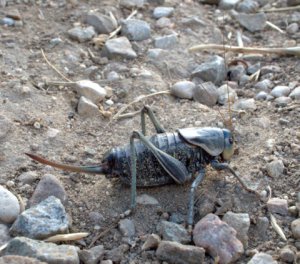 “What is that huge, weird bug in the road? And what is it doing?”

 After my recent post about spiders, and how I’m struggling to tolerate them, it might come as a surprise that I (unlike my husband) am deeply fond of snakes. Phobia—and love—know no logic.