
Birders have a bit of a reputation—we’re supposed to be focused on all things feathery. I know I amuse my friends and family when we’re enjoying a BBQ in someone’s backyard, or at the playground with the kiddos, and I point out the local sparrows and finches. I know all the local Red-tailed Hawks, and which poles they occupy at different times of the day, and I’m also quick to point them out as they soar over the road. (This may be one reason my husband prefers to be the driver when we venture out.)
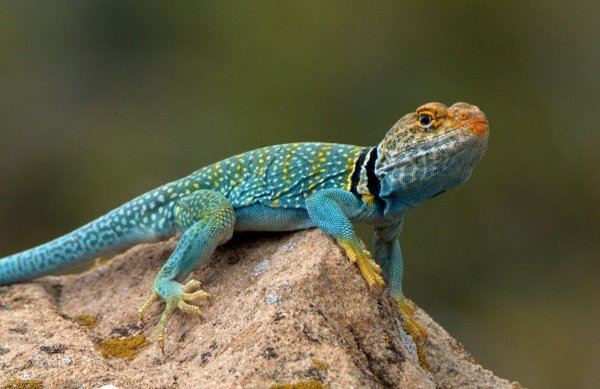
But as much as I enjoy birds—finding them, watching them, identifying them—I also enjoy other kinds of animals, along with plants, rocks, stars, and clouds. It’s all good. One of the joys of birding is that it lures me outside where I can see creation in all its glory.


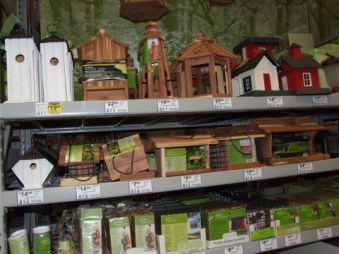 There are about a zillion bird feeders on the market. They come in a huge variety of shapes and sizes. They’re made from anything from plastic to wood to gleaming copper. Some hang from supports or tree branches, others perch on posts, attach to deck railings, or are anchored at ground level. Some feeders are designed to attract squirrels and others claim to exclude them. There are feeders to match every kind of seed, from tiny nyjer to peanuts in the shell, plus specialized feeders for corn cobs, suet, meal worms, jelly, fruit halves, and sugar water. With so many to choose from, how can one possibly decide which is the perfect feeder to buy?
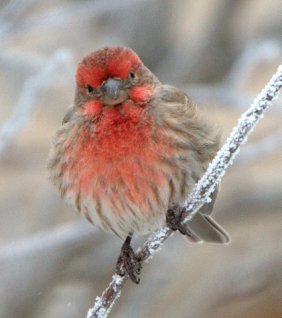 The summer birds have all departed for southern climes or lower altitudes. Many of our human friends have done likewise. Those of us who remain are simmering soup, digging out winter clothes and making sure our homes are snug and warm. The birds who hang around all winter have the same needs—high energy food, winter clothes and snug, warm homes.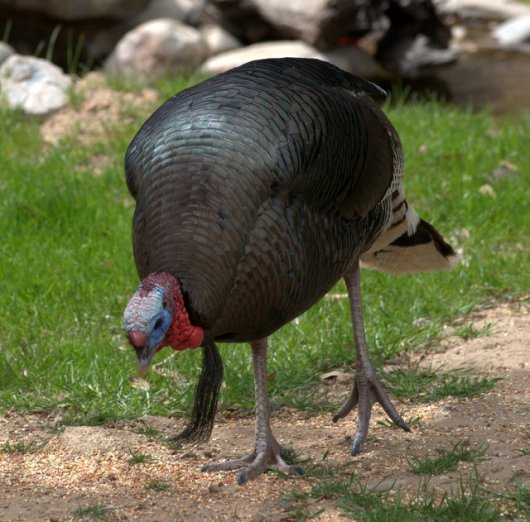
 Mountain Plover