Oh no… Spider Mites!

2-spotted-spider-mite-whitney_cranshaw-colorado-state-university-bugwoodorgMy houseplants had been looking fine all summer, but now they were obviously ailing. No leaves were drooping, no obvious critters were chomping on the leaves. It was more of a general sense of decline—and a dappled, grayish pallor to the foliage.

Closer inspection revealed that many of  the V-shaped joints between leaf petiole and stem were filled with minute webbing. My skin crawled. My plants were infested with spiders! To be more accurate, my plants had spider mites. These tiny bugs are not insects. They are arachnids, just like spiders, scorpions, and ticks. Like spiders, they have two body parts and eight legs. Unlike spiders, all of whom are predators, spider mites are more like vampires. They suck plant juices.

(more…)

Starlings Not Welcome Here

european-starling_lincolncityor_20090922_lah_1634Birders in the U.S. are supposed to hate European Starlings (Sturnus vulgaris), and there are plenty of reasons to do so.
The species originated in Europe, North Africa, and western-to-central Asia. While mostly abundant there as well, the species has been red-listed in England after populations plummeted by more than 80% over the last 40 years [1]. Other northern European countries have witnessed a similar decline [2]. We can only wish that would happen here.

North American populations have exploded since their introduction in the early 1890s. According to the USDA, starlings cost our country $1.5 million in damage to agricultural crops, the consumption of feed intended for livestock, and in property damage. In one winter, a million starlings can down 27,500 tons of livestock feed, not to mention what is ruined by their accumulated droppings—and latest estimates put the US population at over 200 million birds.

(more…)

Noxious Weeds

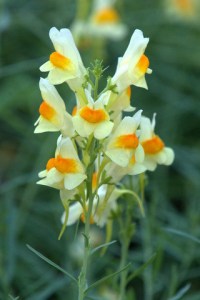
Toadflax is on Colorado’s Noxious Weed List “B”

There are aliens among us. They didn’t come from outer space. Instead, they invaded our country from their native lands around the world. Some hitchhiked in bales of hay or on unsuspecting travelers. Others were brought here deliberately, perhaps for their beauty or stalwart endurance in the face of adversity.

Once here, they took advantage of our hospitality and spread far beyond their original destination. These invaders are plants: grasses, flowers, even trees that are taking over our country. It’s time we fight back.

When aggressive plants arrive in a new environment, they upset the delicate ecological balance that sustains birds and other wildlife. We call them “noxious weeds” because they tend to take over the landscape, are difficult to control, and out-compete more useful natives. They are frequently useless as wildlife forage or shelter, while replacing plants on which wild creatures depend.

(more…)