Sowing Lunacy?

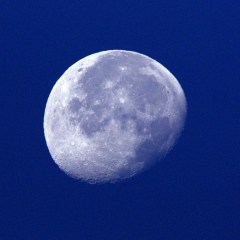
MoonMagazines are full of articles, the Farmer’s Almanac publishes a yearly calendar to guide you, and my niece swears it works. What is it that’s so popular in the garden world? It’s the age-old practice of planting according to the phases of the moon.

I’ve pretty much ignored moon planting charts, at least until now. It’s hard enough to find time to plant my garden without consulting a lunar calendar. With our Colorado weather, odds are that the “correct” planting date will either be too hot, too cold, too wet, or too windy—or I’d be getting pelted with hailstones, dodging lightning bolts, or brushing off snow… or all of the above!

(more…)

My Favorite Seed Catalogs – Part 2

More of my favorite seed catalogs. Don’t miss Part 1!

Johnny’s Selected Seeds
Another Maine company, Johnny’s is responsible for the development of over a dozen familiar varieties such as Diva cucumbers (I love these), Lipstick and Carmen peppers, and AAS winter Bright Lights chard. Maybe it’s due to their breeding program, but somehow their catalog seems more scientific than those from other companies. I like to keep it on hand just as a reference, although I’ve purchased seeds from them as well. They include a germination chart for each crop, showing the optimal soil temperatures for sowing. Since I time my spring planting by a combination of calendar and soil thermometer, this is very useful information. They also carry a big selection of organic seeds.

(more…)

My Favorite Seed Catalog

The mailbox is full of catalogs these days. Harry and David, Sierra Trading Post, Pottery Barn—I may glance at them before tossing them into the recycling bin. But there are a few catalogs I can’t wait to get. As the cold weather sets in and the landscape is dreary and dead, seed catalogs arrive with their reminder that spring will come, eventually. They are the perfect cure for the winter blahs.

(more…)

Spinach

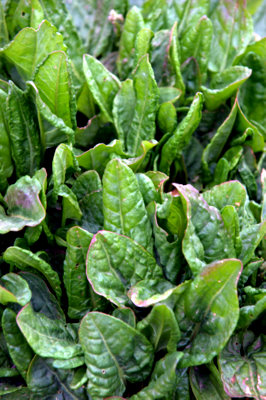
spinach_dbg_20100417_lah_2909True confessions… I am allergic to spinach. Very sad, I know. So, I don’t grow it. Everything I’m about to tell you about spinach cultivation I learned from such wise gardeners as David Whiting, Colorado State University professor and State Coordinator for the Colorado Master Gardener Program, and Diane E. Bilderback, one of my favorite garden writers (and, along with Dorothy Hinshaw Patent, author of my favorite veggie gardening book, Garden Secrets).

The first tricky thing about spinach is when to plant it. Being extremely day-length sensitive, it is sure to bolt when it receives 14 or more hour of daylight per day. You can squeeze in a crop as soon as the weather is warm enough (and thankfully, spinach is relatively hardy), or wait until days are getting shorter again and plant for a fall harvest.

(more…)

Annual Sunflowers

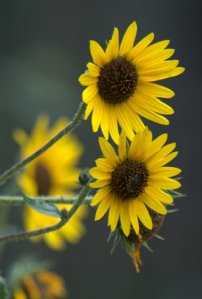
helianthus-annuus-sunflower-csu-23jul04-lah-029Sunflowers may resemble a huge yellow sun towering overhead, but their name comes from their ability to keep their “face” turned toward the sun. Everyone recognizes a conventional sunflower with its huge dark disk surrounded by yellow petals, set atop a sturdy stalk that may reach over eight feet in height. A quick tour of a seed catalog shows that this is just the beginning. Breeders have developed shorter plants (as low as two feet) and an expanded palette of hues ranging from mahogany through orange to lemon yellow, white, and even soft rose to wine-red. Many types sport more than one color.

(more…)

Planning Ahead

garden-dreams2

It’s the beginning of a new year, and time to dream about the upcoming growing season. Do you want to add some permanent plantings?  Are you imagining flower beds brimming with annuals? Will you be buying from catalogs? (Get that order in early before they run out of that must-have variety.)

With the Christmas decorations packed away for another year, I finally have time to take a deep breath, brew a cup of tea, and begin to think about spring. I start by making a list of topics, and then mark down what will need doing, and when.

(more…)

By the Birds, For the Birds

blkforest-co_lah_8039This year, the birds planted themselves a garden.

I have half a dozen bird feeders scattered around our yard. Some hold millet, others contain suet, and a small feeder near the house is full of tiny, black nyjer seeds specifically for the goldfinches and Pine Siskins. But the most popular feeders are the ones full of black oil sunflower seeds.

House Finches, jays, nuthatches and chickadees, magpies, grosbeaks—all are attracted to the sunflower seeds. (So are squirrels, but they only get the spilled seeds on the ground.) While the finches sit contentedly on the feeder, munching away, the jays, nuthatches and chickadees tend to swoop in, grab a seed (or three, in the case of the jays), and hightail it to the relative safety of a convenient branch. There they open the shell and extract the seed before returning to the feeder for their next bite.

(more…)

Christmas Dinner for the Birds

white-breasted-nuthatch_lavetaco_20100320_lah_0134As we gather to give gifts to one another, it’s only natural for birders to offer special treats for the birds. There are lots of options.

The best all-around feeder-filler is black oil sunflower seed. It’s high in energy and easy for small beaks to crack open. It’s enthusiastically consumed by chickadees, finches, nuthatches (such as this White-breasted Nuthatch at right), jays, grosbeaks, blackbirds, and many more species. Plus, these seeds are readily available at a reasonable price.

pine-siskin_blkforest_20100424_lah_3335More expensive, but especially attractive to Pine Siskins, is Nyjer seed. These tiny black seeds (also called thistle) are imported from Africa. You’ll need a special feeder with smaller holes, or a fabric “sock” sold for the purpose. One advantage is that the seed is treated to prevent sprouting—you’ll have no Nyjer weeds to pull in the spring.

(more…)