
 You’ve put in the effort and grown your own juicy tomatoes. But when you finally go to pick them, you realize that the end opposite the stem is sunken and oozing. Yuck—it’s disgusting. Who wants to eat a tomato that’s rotting on the vine?
What you have is a tomato with blossom end rot (BER). It’s just what the name suggests—the blossom end of the tomato (where the flower fell off long ago) is decomposing, ruining the fruit. (Yes, we all know that tomatoes are fruit.) The question isn’t identifying the problem, it’s solving it. How can we keep our tomatoes (and peppers, watermelon, cucumbers, and squash) from succumbing?
 A few weeks ago, a friend arrived for dinner bearing a potted plant covered with the most amazing orange flowers. It was supposed to be a gift for my husband, who had recently spent 12 days in the hospital (you can read about that on my
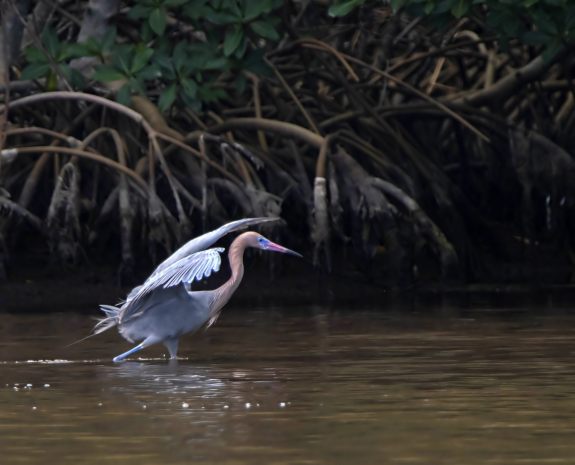
  Wherever we live, we birders have a favorite birding spot (or two)—the place we’re sure to see that less common species, or that is exceptionally scenic. Maybe the trail is just right—some ups and downs, but nothing overly strenuous, and the perfect length to fill a morning, but not leave us exhausted at the end of a too-long day. It’s the place that we imagine when we think about going birding next weekend. Aiken Canyon has it all—interesting birds, beautiful scenery, and a well-maintained trail.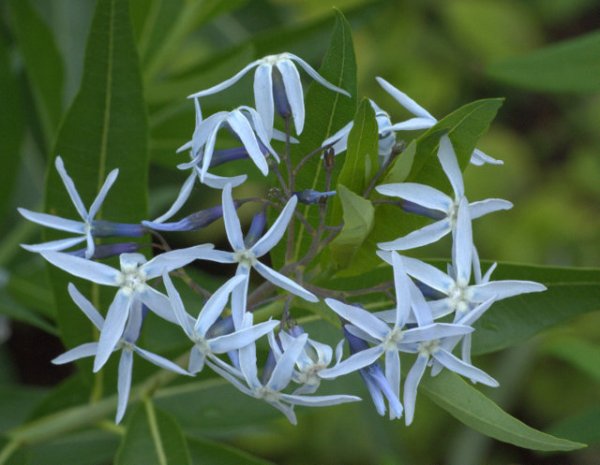


 Mountain Plover