(Make sure you also see the previous months’ Bird Quizzes!)
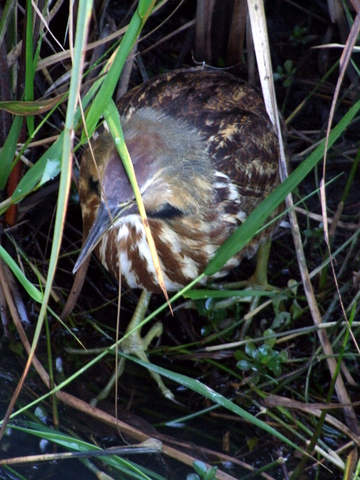
Can you identify this bird? (Don’t you just love LBJs?) The photo was taken in October in Colorado. My answer will appear next Monday.


(Make sure you also see the previous months’ Bird Quizzes!)
Can you identify this bird? (Don’t you just love LBJs?) The photo was taken in October in Colorado. My answer will appear next Monday.
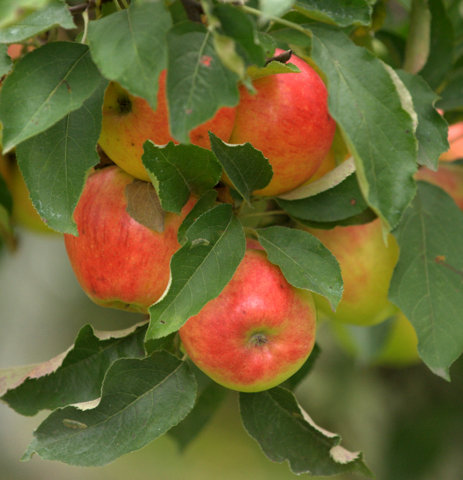 Let’s say you want to grow apples in your Colorado garden—a perfectly reasonable option for this area. You’ve selected a variety that’s resistant to fireblight (I discussed disease-resistant varieties in May), and your tree is thriving. In fact, after several years, it’s finally beginning to bear fruit. You pick your first juice, red apple, take a big bite, and… oh no! Yup, you find half a worm. Ewwww.
(Be sure to see Part 1, posted last week.)
 I was still smiling happily at the thought of having finally seen a Flammulated Owl—a new life bird for several of us that evening. Because the females spend every hour of daylight inside the nest with their young, you can only see them at night—flying around catching moths in the dark. Meanwhile, the males spend their days in a tall pine growing on top of a (usually inaccessible) ridge, roosting right up against the trunk on a high branch. As they sit motionless for hour after hour, they are nearly impossible to spot; their feathers are a perfect match for the reddish-brown Ponderosa bark.
If Brian hadn’t graciously allowed us to accompany him, it’s unlikely I ever would have checked this species off my life list.

An inconspicuous, low-growing mound of evergreen leaves for most of the year, ‘Red Rocks’ takes center stage in mid-summer, with 18-inch spikes of bright pink, bell-shaped flowers. The first penstemon chosen for inclusion in the PlantSelect® program, ‘Red Rocks’ was added in 1999. It’s a cross between a showy Mexican species and a hardy Colorado native, combining the best features of both its parents. ‘Red Rocks’ is named after the park west of Denver.
 I’ve mentioned in the past how bad I am at spotting owls. (That might have something to do with my typical 8:30 pm bedtime.) Well, a couple of weeks ago a birding friend called, asking if I wanted to join her and some others for an evening with Colorado College researcher Brian Linkhart, who has been studying Flammulated Owls for the past 30 years. We’d be traipsing through the Manitou Experimental Forest (west of Colorado Springs) in the dark, accompanying Brian and his student researchers as they netted and banded the tiny owls.
Of course I said yes!
 If you planted green beans in May, and your garden survived our huge hail storm in June, you should be looking forward to your first harvest this month. While we sweat and complain about the record highs, beans like it hot and they’ve been growing like crazy.
There are hundreds of bean varieties, and even catalogs that specialize in beans of all sorts. I’ll share my favorites. Which ones are yours?
To refresh your memory, here again are the photos for Bird Quiz #6. Read no further if you still want to have a shot at identifying these birds.

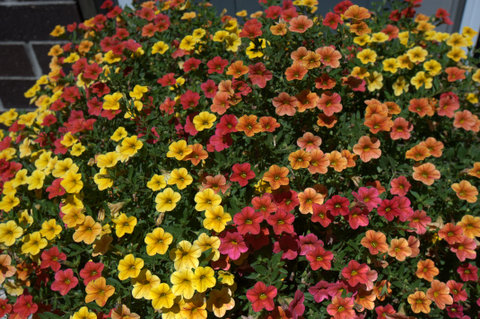 Imagine a petite petunia with intensely-colored, trumpet-shaped blossoms in shades such as magenta, violet, or copper. Flowers smother the slightly fuzzy, gray-green leaves from late spring until the first hard frost. Prolific flowering means that new flowers quickly replace those damaged by hail, a major asset in our area. Mature plants reach about eighteen inches in width and are less than a foot high. A relative newcomer on the garden scene, Calibrachoa has already gained a place of honor among annual flowers.
(Make sure you also see the previous months’ Bird Quizzes!)
Can you identify these birds? The top photo was taken in Arizona in May. The bottom photo was taken in Florida in December. My answer will appear next Monday.


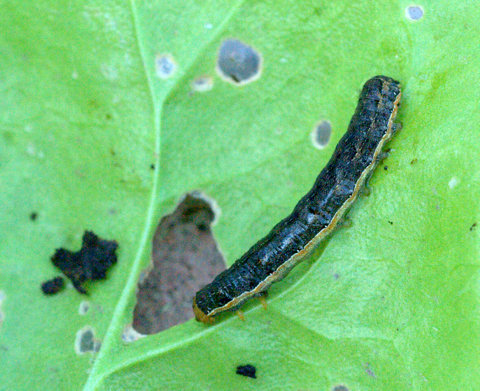 The best way to ward off insect and disease problems is to grow a healthy plant. Just as a wolf pack will target the weakest member of a herd, insects seem to zero in on a plant that is under stress. Good gardening practices—choosing the right plant for the spot, soil preparation, proper planting, feeding, watering, mulching, and the like, all go a long way to keep our gardens free of damaging pests.
But cultural control goes further than just having a green thumb. Sometimes our yards are invaded by insects no matter how good a gardener we are. In that case, it pays to know the enemy.
 Mountain Plover