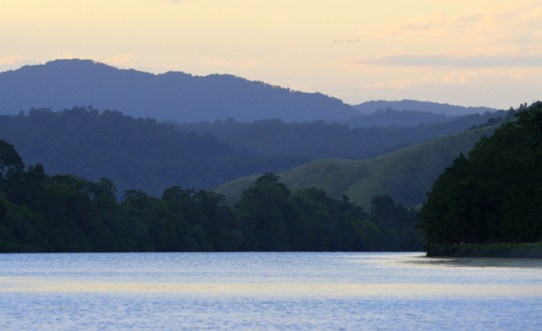
A visit to tropical Australia has been at the top of my bucket list since I was 13. As we headed north on the Cook Highway, I was sure I was about to encounter a once-in-a-lifetime experience. There’s a reason UNESCO has designated this area as a World Heritage site. (Actually, there are four reasons, including geology, “exceptional natural beauty,” “superlative natural phenomena,” and the presence of endangered species.)
That’s a pretty impressive reputation. Would the Daintree live up to my expectations?
 Have you ever been on a snipe hunt? These nocturnal adventures are a classic part of summer camp. After explaining that a snipe is a small, furry creature, your counselor hands you and your cabin mates each a pillowcase and a flashlight. Then you’re turned loose in the dark and spooky woods (illustrated at right) to practice your “snipe call.” At various times, your counselor may ask, “Did you hear that?” or “I just got a glimpse—it went that way!” Of course, this sort of snipe is a mythical beast, and you are the butt of a practical joke that the counselors will find hilarious.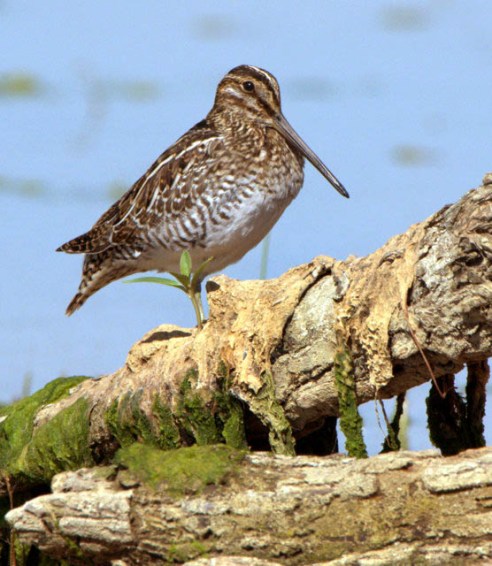
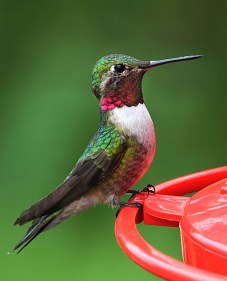 My yard is full of hummingbirds! Last summer I faithfully put out feeders full of sugar water, but had no takers. Not a single one. The only hummer that visited was a Broad-tailed Hummingbird that stopped by to check out the lone flower on a honeysuckle vine that was sitting in its can, waiting to be planted. But this year! From mid-July to late August, I probably had over a dozen in the yard at any one time—Broad-tailed, Rufous, and even several Calliope Hummingbirds that hung around for over a week. It was all I could do to keep my two feeders filled.


 Many serious birders keep a life list of the bird species they’ve seen. We can tell you exactly how many birds are on that list, and there’s great excitement when we can add a new “lifer.” We may also have a list of “target birds,” those not yet seen, and we often spend considerable effort tracking them down. But once a year, we have an opportunity to add a new bird or two without lifting a finger.