This bird was photographed in Colorado in May. Can you name it? The answer will appear at the end of next Monday’s post.
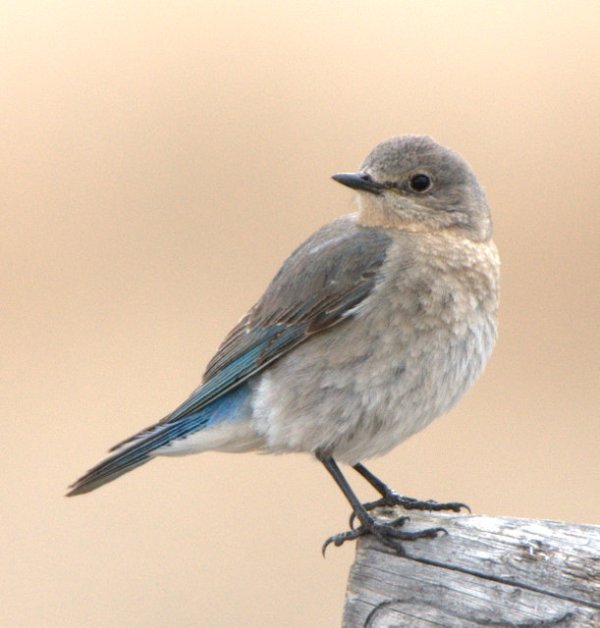

This bird was photographed in Colorado in May. Can you name it? The answer will appear at the end of next Monday’s post.


If spring brings mating displays and nest building, then summer is sure to be filled with baby birds. Lately, everywhere I look I see frazzled parents bringing food to their ravenous offspring. No sooner have they stuffed the moth or grasshopper or beetle or dragonfly down that bottomless gullet than they’re off looking for the next morsel.
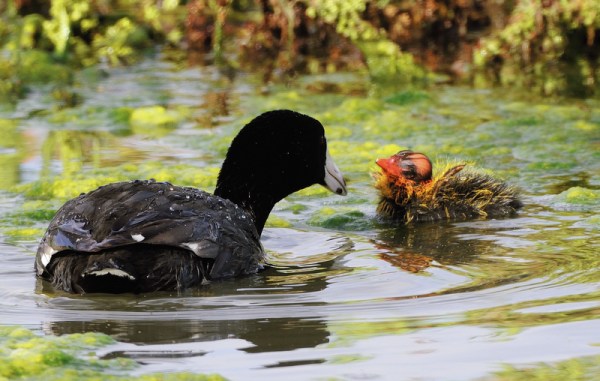
Summer is just around the corner and with the warmer weather comes a new birding challenge—and a photographer’s dream—baby birds. As a photographer, I’m delighted to document the new generation. Who can resist this adorable American Coot begging for food, or a newly-hatched plover wobbling on long, spindly legs?

Why wouldn’t the camera focus on the bird?!
I was trying to finally get a decent picture of a Yellow-breasted Chat. They’re not all that common in this part of the country, and I was thrilled to find one. In fact, we’d been hearing it call since we’d arrived at one of my favorite birding spots. But where was it?
After much searching (my ears aren’t very good at recognizing direction), we finally found the noisy bird sitting in a bare treetop, far overhead. It was in plain view, if you discounted the multitude of leafless twigs surrounding it. Praying it would stay put long enough for me to grab the shot, I aimed my lens and partly depressed my shutter button to activate the autofocus. (more…)
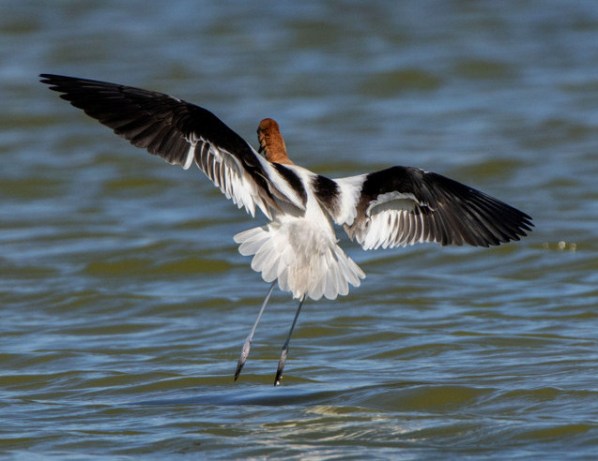
This bird was photographed in Colorado in June. Can you name it? The answer will appear at the end of next Monday’s post.

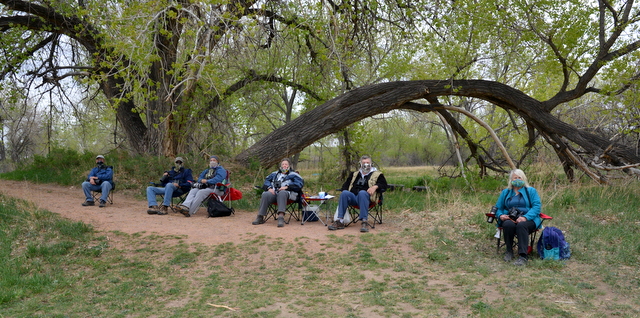 Birding is better with friends. For one, it’s more productive, as more eyes mean more birds spotted. I’m not an expert (by any means!) at birding by ear, but I know people who are. And sadly, a woman birding alone always has to take personal safety into consideration. Besides, birding with friends is definitely more fun!
While some states are beginning to open up, Colorado just instituted a new rule—we have to “recreate” within ten miles of our homes. No hiking in the mountains, unless we already live there. No driving out on the plains to look for raptors. No chasing rarities in other parts of the state. If the bird isn’t in my immediate area, I’m simply out of luck. I can’t even walk the trails at our county’s nature centers, as they’re at the other end of town, far past my ten-mile radius.
This bird was photographed in Colorado in May. Can you name it? The answer will appear at the end of next Monday’s post.

Two weeks ago I explained how birds manage to have sex. But somehow, there are always those species that make things more complicated. Last week’s explanation applied to 97% of bird species. But a few kinds of birds don’t follow the flock.
Take Cassowaries, for example. Both the male and female have what appears to be a penis attached to their cloacas, although the female’s is somewhat smaller than the male’s. It’s used during copulation, but it doesn’t channel sperm. Instead, after penetrating the female, the male expels his semen directly from his cloaca.


I love looking at birds. I love getting outside, going for a walk, spying that tiny ball of feathers nearly invisible in the bushes or hiding in the grasses. On a really good day, I even have the thrill of adding a new species to my life list. But now that I’ve been birding for 16 years, I find myself looking for an additional challenge.

