
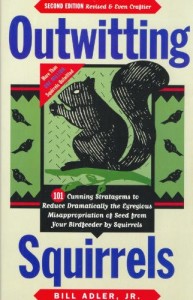
 Anyone who puts out food for wild birds quickly learns that the squirrel food alert network is very efficient. Within hours, often before the birds find your new feeders, the squirrels are on site, shoveling sunflower seeds into their mouths as fast as they can. That’s pretty fast.
Some people actually like squirrels. That’s fine with me. If they want to feed expensive seeds and nuts to squirrels, let them go right ahead. Of course, their largess will encourage the production of more squirrels….
On the other hand, most bird feeders want to feed birds, not rodents. Banging on the window and waving your arms may alarm the neighbors, but it won’t faze the squirrels for long. So what’s a frustrated bird lover to do?
 It was almost 5 am, well below freezing, and I was clumsily trying to attach my camera to my tripod with gloved fingers. The last of the stars had finally given way to the growing light in the eastern sky, but the sun wouldn’t be up for a while yet.

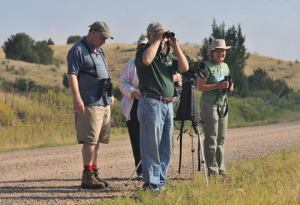
 “Birding is really inexpensive! All you need is a pair of binoculars and a field guide!” I was trying to explain to my ever-patient husband why this new fascination of mine was such a great idea.
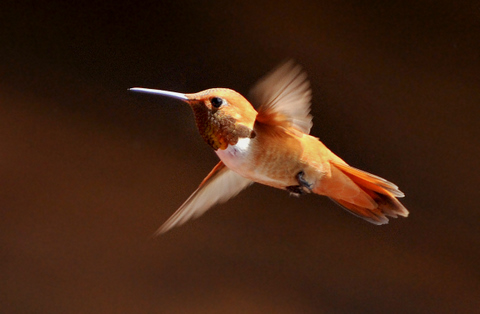
 Lately, my husband has taken to calling me a “Beak Geek.” I’m not sure whether or not to be insulted at this or take it as a compliment. I thought I’d ask a few other friends if the label fits. They hedged a lot. Hmmm. So I did an internet search and found the following:
