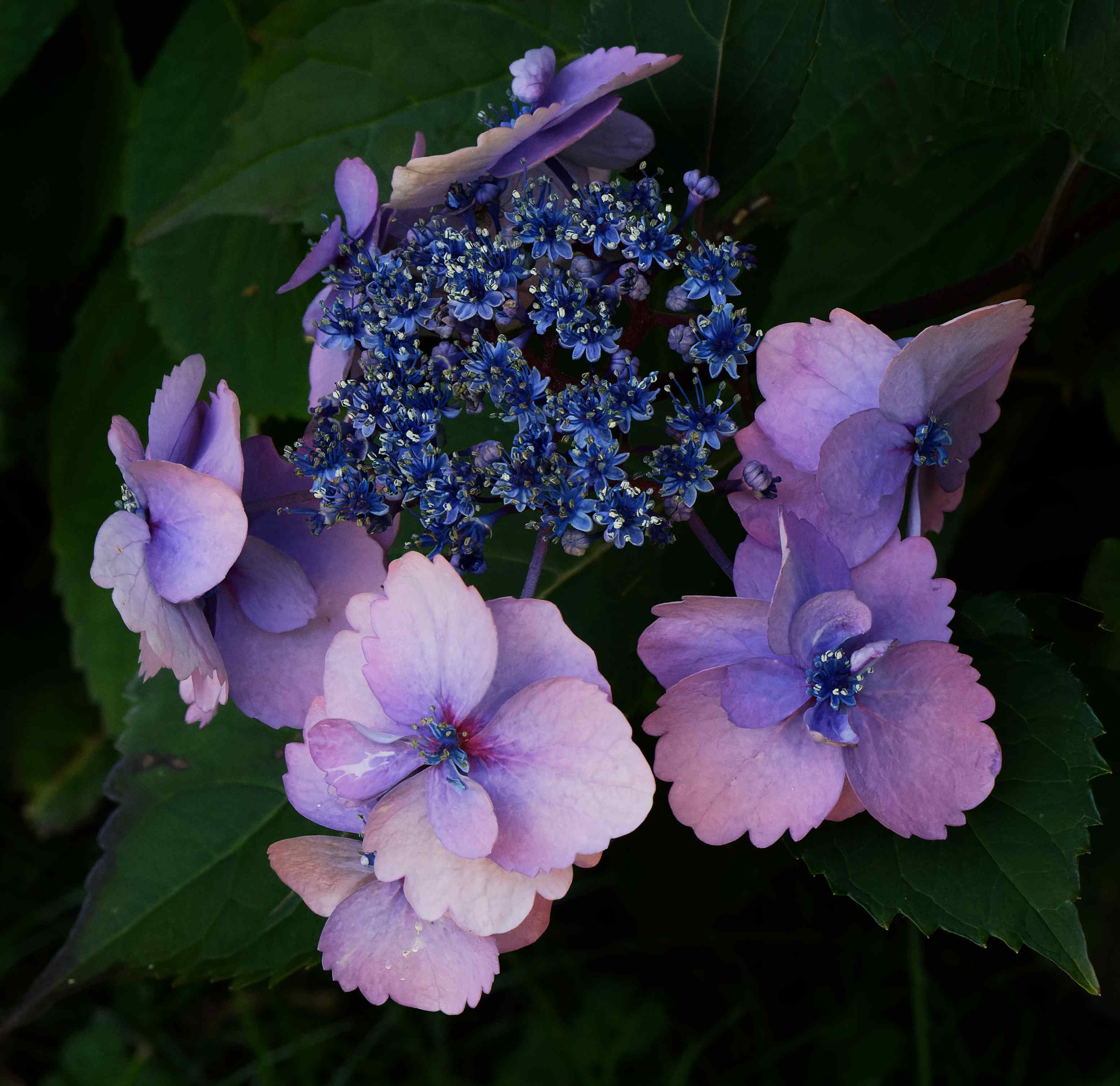


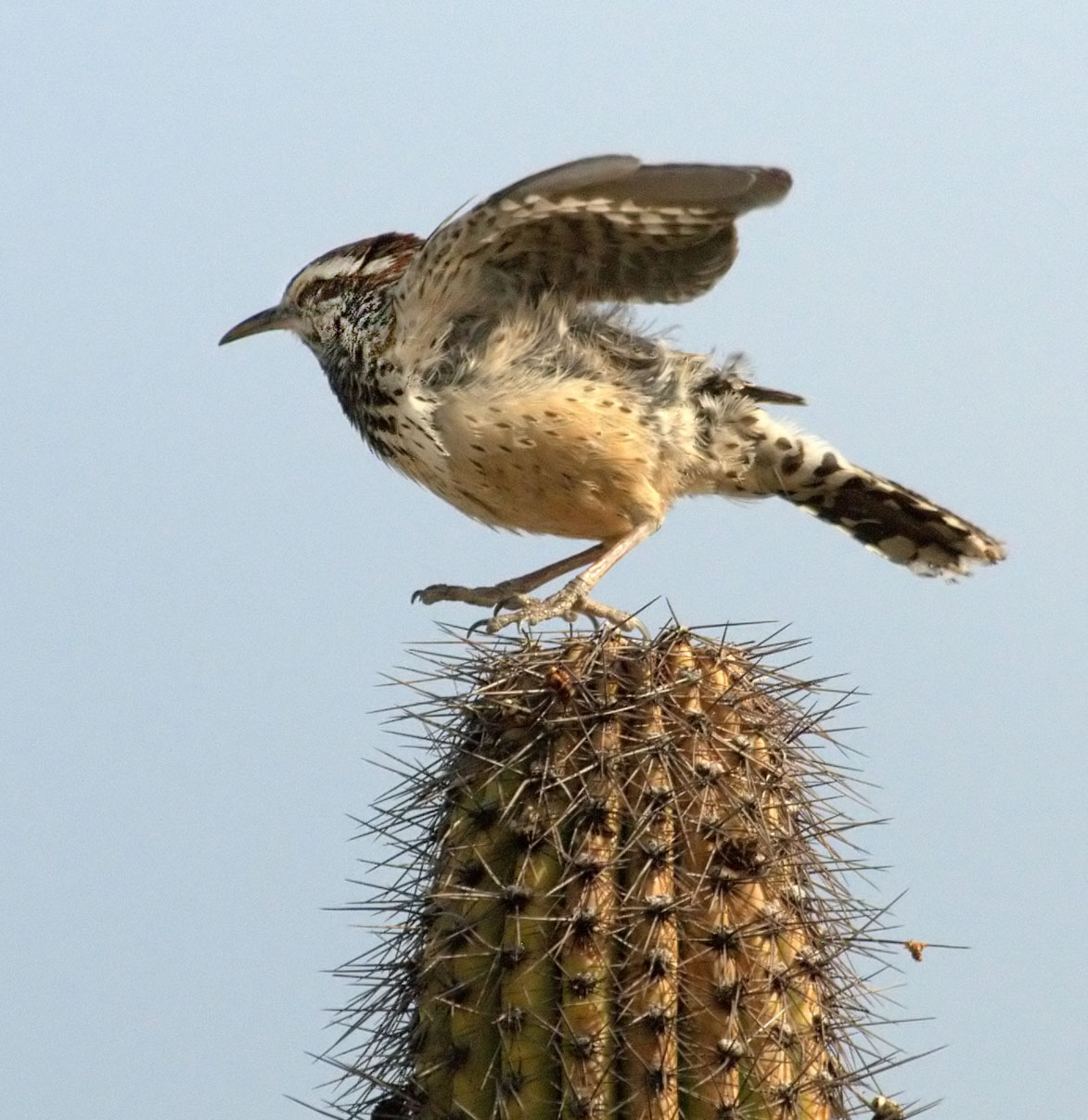


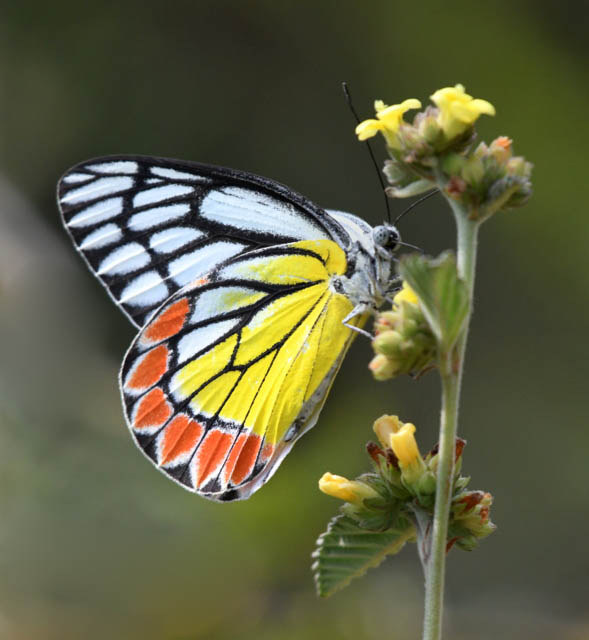

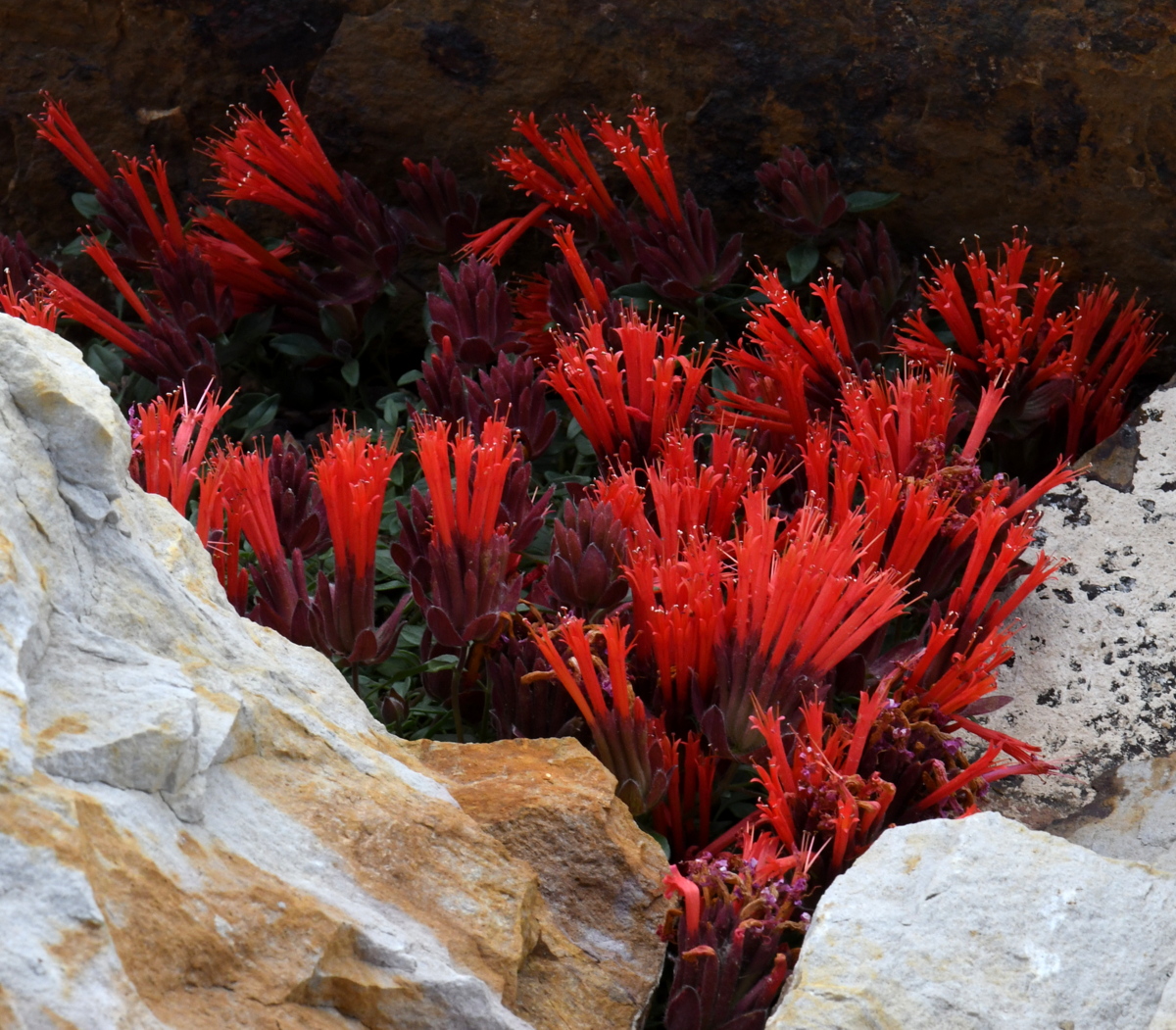

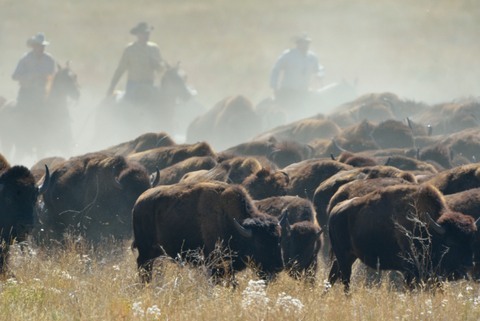

Back in 2020, the COVID lockdowns put a major damper on everything. I found that while I was still gardening, and birding locally, the lack of social interaction put my brain to sleep. No inspiration. No new discoveries. Nothing to write about. And not wishing to fill pages with meaningless drivel, I stopped blogging.
However, I still have a desire to share my awe and love of God’s creation. Instead of writing more articles, I simply began sharing one photograph every day on Instagram (look for LeslieHolzmann) and on the Mountain Plover Facebook page. I haven’t been posting them here, but perhaps it’s time to start.
There is no social commentary. No political opinions. No contention. We have plenty of that already. I just identify the subject and note where I took the picture. Consider it a one-minute break from current events.
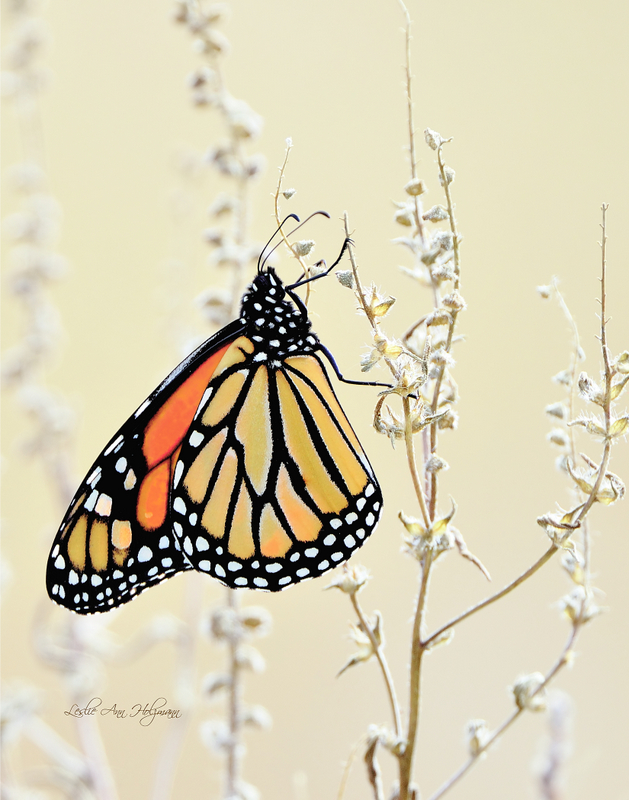
In addition to the Gambel’s Quail photo, I’m adding a couple of previous pictures as well:

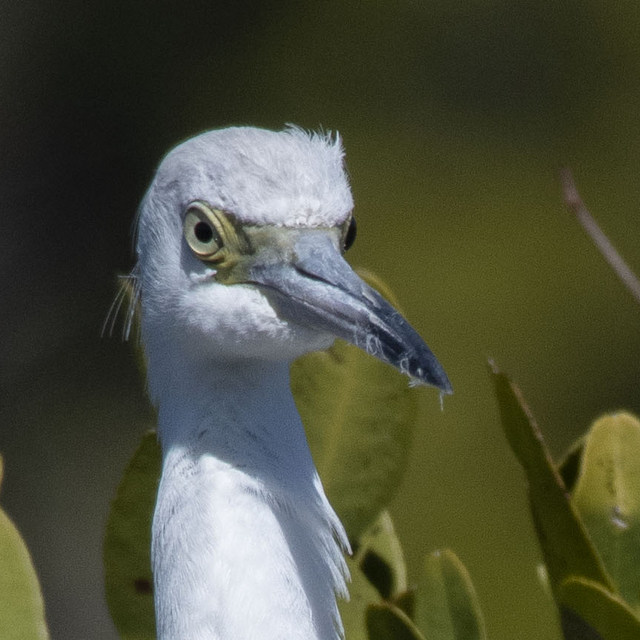
And finally, the answer to February’s bird quiz is Little Blue Heron (immature).
As I’ve been recovering from back surgery—a recovery that is taking a bit longer than I was led to expect—I’ve had plenty of time to check my phone, and more specifically, my news feed. I had to laugh when this item popped up. Seems that USA Today needs to check with an actual birder before choosing photos to accompany their articles!

Note that this is not a yellow bird, rare or otherwise. Even more significantly, this lovely photo is of a House Finch, not a Northern Cardinal.
That would be bad enough, but there’s more:

Here we finally get to see the yellow cardinal (which happens to be male). However, this is a male House Sparrow, definitely not a younger cardinal—or its mate!
These are rather significant mistakes in an article on I topic I know a bit about. It makes me wonder how many mistakes (intentional or otherwise) appear in their articles on other topics!

Congratulations, you’ve decided to take up birdwatching. You’ve got the binoculars, the latest field guide or phone app, and the dorky hat. The extras can come later—the spotting scope, the camera with a long telephoto lens, the airplane tickets for that exotic birding destination. For now, you’re excited to begin, so you head to the nearest nature center or other birding hotspot.
(more…)
As I mentioned last month, the birds we see in the field are rarely posed like the illustrations in our field guides. Rather, we see them from underneath, or with parts hidden by leaves, or, as is so often the case, flying away. When it comes to dabbling ducks (and some other waterfowl), we may find that the most helpful field marks are underwater, and all we’re treated to is a view of the tail. If only we had a field guide that portrays these birds bottoms-up!
(more…)
