Garden Advice: Companion Planting

carrots-tomatoes-401Do carrots really love tomatoes? Do beans and onions hate one another? The internet (and my bookshelf) is full of anecdotal advice about which crops we should plant together, and which ones we should not.

There’s a well-known book that’s been around for ages called Carrots Love Tomatoes: Secrets of Companion Planting for Successful Gardening, by Louise Riotte. It offers page after page of “facts” about companion planting. That sounds really helpful, and I was ready to try it all, but unfortunately, when I dug in online, I discovered that there is very little science behind the advice.

(more…)

Getting to the Root of the Matter

Phalenopsis orchid roots_DBG_LAH_6672We all know what roots are—they’re the part of the plant that’s usually underground. If we have a mental image, it’s probably a mass of wiggly, white strings poking their way through the soil. We should pay more attention to roots. After all, they’re an essential part of a plant (as well as the only part remaining after some hail storms!). Knowing a little about how roots work will make us more successful gardeners.
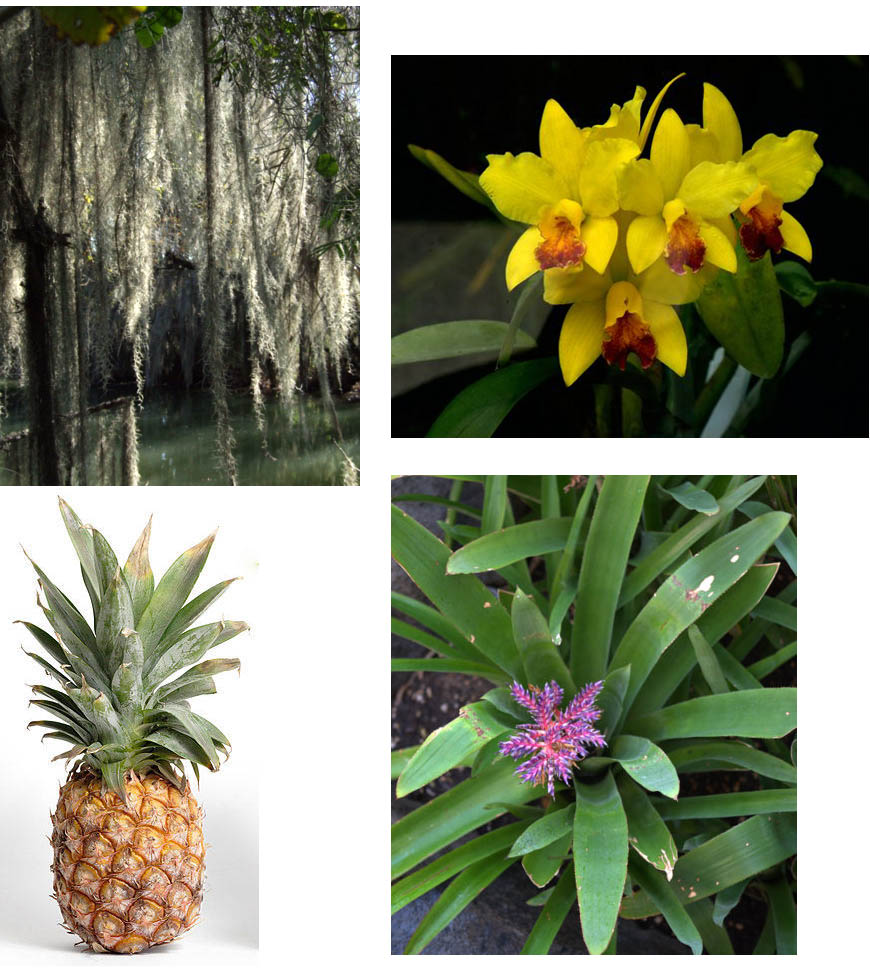
Before I get any further, I should point out that I’ll be talking about your average, every day root. Life is an amazing phenomena, so diverse that there are always exceptions. So let’s skip the orchids (left) and other epiphytes, and the mangroves and other plants with roots growing in water, and focus on our garden flowers, shrubs, and trees.

(more…)

White Frost, Green Leaves

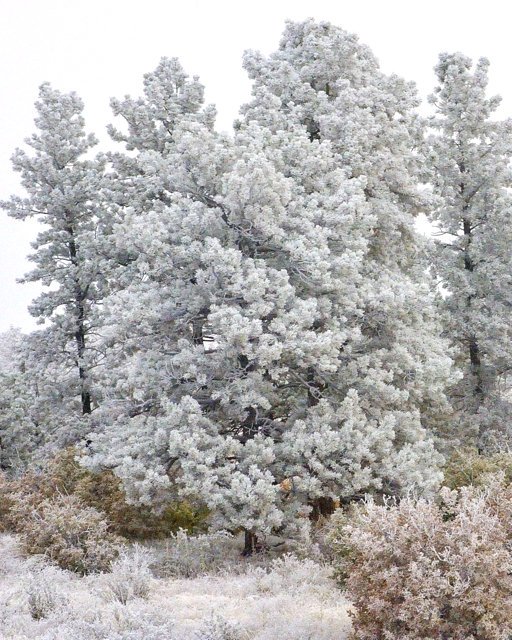
Rime on trees_BlkForest_20091011_LAH_3876We’ve been enjoying some glorious autumn foliage these past few weeks, but there are plenty of plants that remain stubbornly green. In fact, their leaves stay green no matter what the season—that’s why we call them evergreens. With winter just around the corner, I began to wonder—how do evergreens survive our cold winters? Why don’t they lose their leaves?

(more…)

Yellow Leaves, Red Leaves, Pretty Leaves, Dead Leaves

Fall color @TacomaWA 14oct07 LAH 015You probably remember learning about fall color when you were in elementary school. You know that leaves turn colors before they fall, and it had something to do with chlorophyll. But when is the last time you really thought about fall foliage from a botanist’s point of view?

As gardeners, we want to know which plants turn which colors so we can use them effectively in the landscape. Here in Colorado, most of us know that aspens turn yellow golden, Gambel’s (scrub) oaks become a flaming reddish orange, and burning bushes (Euonymus alatus) shine in stunning shades of fluorescent pink, purple, and red. But why exactly do they do that? And how?

(more…)

What Did You Say?

Colorado State Univ. Field DayMany people talk to their plants. Whether or not it makes a difference, we chatter on about the weather, how nice the plant is looking, perhaps how shiny a leaf or pretty a flower. Of course, the plants don’t really hold up their end of the conversation. I’ve heard nary a peep from my peony, nor a single ahem from my Agastache. Even if they could talk, I doubt we’d find the conversation stimulating. After all, plants don’t have brains. But a lack of brain and vocal cords doesn’t stop plants from communicating. We just have to learn their language.

(more…)

Phloem is for “Phood”

Cercidium  sp. - Palo Verde Tree @PBG 2004apr18 LAH 003Last week’s post about xylem explained how it carries water from the roots to the rest of a plant. But there’s another transportation problem that plants have to solve. As you know, plants make food (sugars) through photosynthesis. (See my previous posts on photosynthesis.) This food factory requires both chlorophyll and sunlight, and can only take place in the green parts of a plant. Usually this means the leaves, although cacti and other xeric species (such as this Palo Verde, above right) often have chlorophyll in their stems.

(more…)

Botany for Gardeners: Phloem & Xylem

Aspen_EmeraldValley-CO_LAH_4270Today’s (and next week’s) botany lessons are brought to you by “xylem” and “phloem.” You may remember these terms from a biology class, but I bet you haven’t used them lately. It’s time you did. You’ll be a better gardener as a result. Besides, I used to teach biology, and once a teacher, always a teacher. There will even be a quiz at the end.

Like all forms of life, plants have to solve a very important problem: how do you move nutrients and water from one part of your body to another? Animals (at least the more complicated ones) have a circulatory system, but what do plants do?

(more…)