
 For a gardener living in Colorado, April must be the hardest month of the year. Every article I see, every post on the gardening blogs I read celebrates the arrival of spring. Photos of germinating peas, lettuce, and other greens decorate my friends’ Facebook pages.
Category: Gardening
In With the Old?
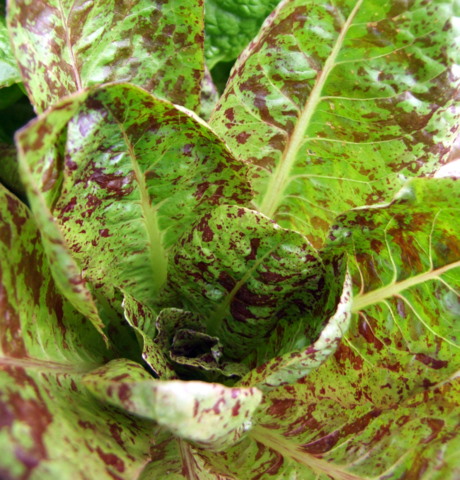
“Heirloom seeds are better, right?” It’s a question I hear a lot when I’m teaching classes on growing your own veggies. Just the term “heirloom” makes us think of precious family treasures, fine antiques. “Heirloom seeds” is a phrase that sells and many seed companies take full advantage of it.
Heirloom vegetables (or flowers) are varieties that have been in cultivation a long time—decades, if not centuries—and are still being grown today. They’re what your great grandmother would have sown in her garden. They’re the antiques of the gardening world.
Spring for an Easter Garden
Celebrate Easter. Celebrate spring. Sometimes it seems as if there’s a tension between the two. Some people think of cute little lambs and chicks, jelly beans and hollow chocolate rabbits. Others prefer to concentrate on the resurrection.
Spring and Easter do not need to compete for our attention. Budding plants, baby animals—they should all remind us of the new life possible because Jesus died and rose again. I don’t believe it’s a coincidence that the renewal of life and the resurrection of Jesus happened at the same time of year. (Of course, those living in the southern hemisphere miss out on this connection.)
Timing the Garden
 The calendar may say “Spring” but here in Colorado it’s still winter. Still, the first signs of spring are there if you look for them. Days are getting longer. Birds are wearing their courting feathers and breaking into spontaneous song. Buds are swelling on bare branches. And gardeners are reemerging from their winter hibernation.
Hopefully, you’ve already tested any stored seeds for viability, then placed your seed order or picked from the racks at your local garden center. When your packets arrive, store them in a cool, dry place. I like to sort mine into zip-lock baggies, then arrange the bags in a clear plastic shoebox. Colorado is naturally dry, but reusing the bags of desiccant that come in products such as new shoes and purses will help in more humid regions.
My Favorite Plant for Colorado Gardens
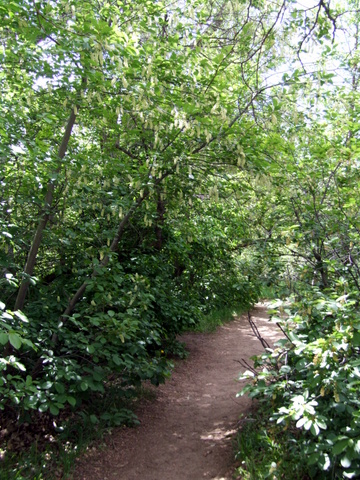 If I could create one perfect plant for the Pikes Peak region, what would it be like?
Of course, I’d want it to be attractive. It should adorn itself with cheerful spring flowers, good-looking foliage, and intense fall color. I’d add persistent fruit or berries to feed the birds and provide winter interest.
My perfect plant should be easy to grow; I’d want it to thrive in our native soils with little or no supplemental water. It must be hardy to at least 8,000 feet, and still handle summer heat waves.
Digging Dirt
 Ahh, March. Snow is still quite likely, but on some days our intense, high elevation sunshine beckons me into the garden. There, I’m greeted by one of my favorite smells—the aroma of humus-laden soil. The ground is no longer frozen. Let the growing season begin!
I’ve had my current garden for twenty years now. In that time, I have never stepped on the soil in my boxed beds. After an initial double-digging, the soil remains uncompacted, perfect for planting. Additionally, a soil test last year showed that I have plenty of humus—too much, actually—so I don’t even need to add compost for a while. Aside from adding a side-dressing of nitrogen, I won’t have to dig this year.
To Seed or Not to Seed?
 Gardeners seem to come in two varieties: those who buy seeds, and those who buy transplants. Which are you? Are you the do-it-yourselfer who prefers to start your plants from seed, nurturing each and every flower and vegetable from infancy? Or are you more the no-nonsense, practical type who figures that there’s no point in fussing when you can so easily purchase transplants? There are pros and cons to each approach.
Three Favorite Tools
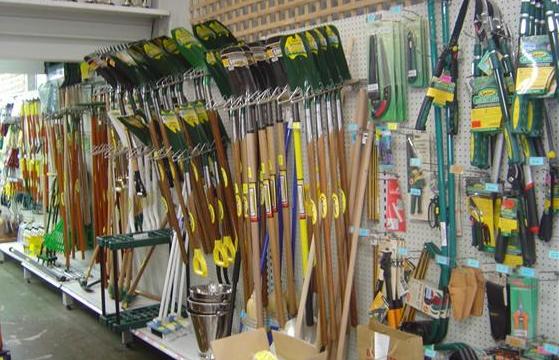 Imagine with me for a moment. You’re shipwrecked on a beautiful “desert” isle. There’s good soil, the rain falls for 30 minutes every afternoon, starting precisely at 3 o’clock, and the temperatures hover between 65° at night and 80° at noon. In fact, it’s so lovely, you kind of hope you won’t be rescued!
There are no grocery stores, but you’re not worried. You salvaged a few months’ worth of food from your sinking ship, the local reef fish seem to leap into your homemade net, and you “just happened” to have packed a complete assortment of vegetable seeds in your waterproof luggage. (I told you we were imagining.)
Beyond Roses
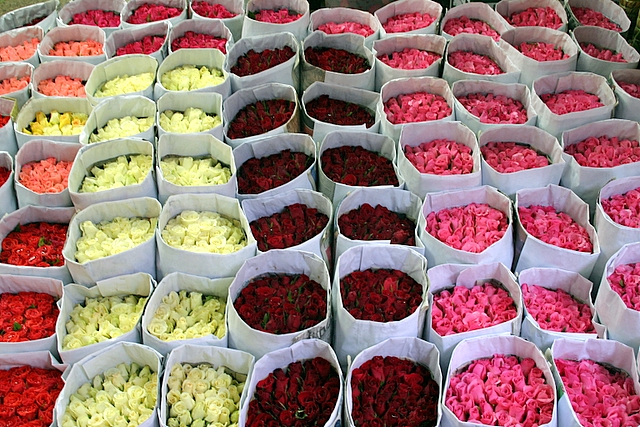 Heading to the store to buy a dozen red roses for Valentine’s Day? How cliché! Everybody gives roses. Unless you know your sweetie is a rose aficionado, don’t follow the herd—dare to be different! Break out of your routine and expand your horizons. There are a lot of other flowers out there feeling pretty unappreciated right now.
Carnations
 I admit, I really don’t care that much for roses. I would much prefer a bouquet of carnations. They last twice as long—or longer. I think they smell better, too. And there’s something… unassuming about a dozen humble carnations in a plain white vase that appeals to me. (My husband is delighted I like carnations, as they’re much cheaper, too.) You can go for red, pink, white, or a combination perfect for Valentine’s Day, but they come in yellow and orange too. Other colors (green is popular around St. Patrick’s Day) are artificially induced. Placing a white flower in a vase of colored water does the trick.
IPM: Pest-eating Vertebrates, Part 2
 Last month I explained how amphibians, such as frogs and toads, and reptiles, such as snakes and lizards, are beneficial to our gardens. This time I’ll focus on birds and mammals. Inviting these wild animals into ours gardens is yet one more way that we can control the pests that dine on our flowers and veggies.
Birds
As an avid birder, I have up to a dozen feeders scattered around our yard. It may seem as if I’m doing the birds a favor, but it’s really the other way around! While most birds attracted to feeders eat seeds, many of those same species switch to bugs, with their higher protein content, during the breeding season.
 Mountain Plover