
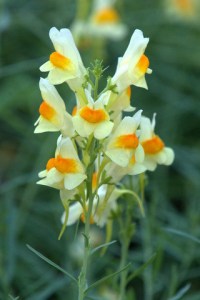
There are aliens among us. They didn’t come from outer space. Instead, they invaded our country from their native lands around the world. Some hitchhiked in bales of hay or on unsuspecting travelers. Others were brought here deliberately, perhaps for their beauty or stalwart endurance in the face of adversity.
Once here, they took advantage of our hospitality and spread far beyond their original destination. These invaders are plants: grasses, flowers, even trees that are taking over our country. It’s time we fight back.
When aggressive plants arrive in a new environment, they upset the delicate ecological balance that sustains birds and other wildlife. We call them “noxious weeds” because they tend to take over the landscape, are difficult to control, and out-compete more useful natives. They are frequently useless as wildlife forage or shelter, while replacing plants on which wild creatures depend.
 Last summer we took a drive to Granby, just outside of Rocky Mountain National Park. While I had heard about the Mountain Pine Beetle for years, I was unprepared for the extent of the devastation. Entire mountainsides were covered in dead and dying pines, eerily resembling New England’s beautiful red fall foliage. But rather than deciduous maples and other hardwoods, these were conifers, largely ponderosas. They wouldn’t be turning green again come spring.


 Your seed catalogs are well-thumbed by now. You have all your favorite varieties flagged, along with some new offerings you’re eager to try. After months of indoor weather, the gardening urge is looming large. It’s tempting to go overboard, and order every seed listed. Making a vegetable garden plan will help keep your cravings in proportion to your needs.
 Angelina Stonecrop is a garden asset all year long. In summer, the low-growing succulent forms spreading mats of cheerful yellow-green, adorned with clusters of yellow star-shaped flowers. These blooms attract butterflies. But it is in winter that Angelina really shines, when those same fleshy leaves turn an incredible, brilliant orange, with subtle shades of red and yellow. The colors are so intense, the ground appears to be on fire. Such a show would be welcome at any time, but is especially appreciated when everything else is dead or dormant.
 Blooming? In January?
 Mountain Plover