
 Perennial sweetpea is a lovely, old-fashioned flower—one that grandmother might have grown. The keeled pea blossoms, ranging from a blushed white to a deep rose pink, form a clump atop long stems. Lanky vines sport sparse foliage. Bloom will continue from now until early fall if spent flowers are removed. If left to mature, the round, spiral pods will suddenly twist open, flinging their seeds several feet into the air, and sowing plenty of new vines in your garden.
 While the more familiar annual sweet peas don’t do well with Colorado’s wild weather gyrations, this perennial form thrives here. The plants are long-lived, growing six feet long by the end of summer and then dying back to the roots in winter. They cling with tendrils, so some supportive netting is helpful.
Difficult to find as plants in nurseries, perennial pea is easily started from seed. Soak the seeds overnight to hasten germination and then plant in average garden soil in full sun to part shade. Go light on the watering.
With their cottage garden appeal, the vines combine well with clematis and roses, or you can grow them on a fence. They are also suitable as cut flowers. The only drawback is that the blossoms lack the wonderful fragrance of the annual sweet peas.
 Do all the fresh veggies appearing in the local farmers’ markets have you inspired? Victory gardens are back in style. Maybe it’s the economy. Growing your own can save you money, although your initial investment may take several years to pay off. Or perhaps you want to plant crops that are normally expensive at the market.


 More charmingly known as Butter-and-Eggs, the common name “Toadflax” applies to several similar species. All sport cheerful yellow flowers resembling snapdragons, to which they are related. Two-foot tall clumps of smooth green stems are covered with narrow, pointy leaves two and a half inches long. The flowers appear whenever growing conditions permit.
 Appearance
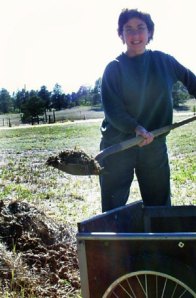 You can easily increase the percentage of organic matter in your soil by adding compost or another organic amendment. This added humus will act as a sponge, increasing water retention in sandy soils. On the other hand, in clay it acts to improve drainage by increasing the size of air and water spaces. Plus, organic matter works with your fertilizer by holding nutrients in a form that is available for absorption by roots. As you can see, organic matter is an important component of healthy soil.
 Actually, dirt is just one component of what gardeners prefer to call “soil.” Rocks weather and break down into smaller rocks, pebbles, gravel, and finally sand and silt. These tiny particles mix with organic matter—decomposing plants and animals—called “humus.” Then there’s air, and water. Add in weed seeds, worms, bugs, and a huge variety of microorganisms, and you have the living stuff in which we plant our gardens.
 Mountain Plover