 Are you tired of gardening? We’ve had a longer-than- average growing season this year, and the weather is still warm enough to encourage flowers to bloom and pumpkins to turn orange. If your kitchen counter is piled high with zucchini, and you’re actually getting a tad tired of vine-ripened tomatoes, this is the perfect time to plan next year’s garden.
Most gardeners wait until spring to decide what to grow. This is a dangerous mistake. In spring, we’ve been staring at a brown and dead landscape for the past many months. Anything green seems like a miracle.
 Stands of bright gold aspen shimmering in the sunlight are a spectacular sight, so it is no surprise that many people plant aspen in their home landscapes. Sadly, aspen is probably not the best choice for local gardens. The same qualities that make aspen perfectly suited for colonizing mountainsides denuded by fire, rock slides and avalanches create problems in more constrained spaces.
 The first crocus of spring. Sunny yellow daffodils naturalized under trees. Beds full of crimson tulips—it all starts now.
 While most fall and winter berries are red, or perhaps dark blue, snowberries sport showy clusters of pristine white, berry-like fruit. If not eaten by the birds, the fruit will adorn the bare branches in winter. The upright, finely-branched shrubs are about three feet tall. Moderate growers, they are long-lived, with tiny pink, bell-shaped flowers that appear in early summer.


 You may overlook the display at first, hidden among the photos of bright red tulips and sunny daffodils. Bulb planting season is here, and garden centers have towers of cardboard boxes labeled with spring blooms, somewhat incongruous at this time of year. Go ahead and pick out those hyacinths and crocuses, but don’t forget the garlic!
 A calm oasis in Monument Park, the
 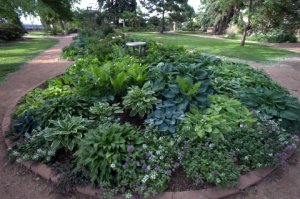 As you enter off Mesa Road (a continuation of W. Cache la Poudre Street) or Glen Avenue in downtown Colorado Springs, the noise of the street fades, replaced by the chirping of birds and the gentle sigh of a cool breeze. Rarely are more than a few other people present.