
 Cinderella rode to the ball in one. Peter kept his wife in another. At Halloween, we carve them into jack-o-lanterns. Today, we make pies* out of them.
Besides all that, pumpkins are nutritious (lots of Vitamin A, potassium, and fiber), delicious, and just plain fun. It’s not surprising, then, that I get so many questions on how to grow them.
Living at 7,000 feet as I do, pumpkins aren’t a sure bet in my veggie plot. Gardeners at the other end of town, 1,000 feet lower, are able to produce enough pumpkins to make them commercially successful. Here, I have to baby them along and hope for a long growing season.
 With temperatures dipping into the low 20s and our first (finally!) snowfall, the bugs in our gardens are either dead or in hiding. But before we collapse into that comfy recliner with a garden book and a cup of tea, we need to take a good look at our houseplants. It might be winter outside, but indoors the bugs are having a field day.
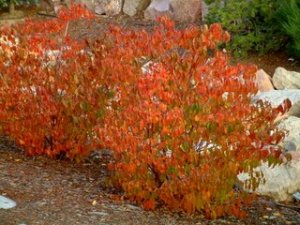 You’ve never noticed the shrub before. Its rounded green leaves and vase shape let it lurk unobtrusively in the background, where it may eventually grow to 15 feet tall and wide. Then, seemingly overnight, there’s a neon-fuchsia beacon glowing in the landscape. Fall has arrived, and the Burning Bush is on fire.
 Gardening in Colorado is not easy. Late freezes, early snow storms (though not this year), hail, drought, torrential rainfall, over 100 species of grasshoppers… there is plenty to complain about.
 My houseplants had been looking fine all summer, but now they were obviously ailing. No leaves were drooping, no obvious critters were chomping on the leaves. It was more of a general sense of decline—and a dappled, grayish pallor to the foliage.
 What comes to mind when I describe a tree that has heart-shaped leaves, is in the poplar genus, grows well in Colorado and turns a brilliant gold in the fall? Chances are, you didn’t immediately think of cottonwoods. Yet, when it comes to putting on a show, cottonwoods are every bit as spectacular as their close kin, the aspen. In many ways, they are the other iconic Colorado tree. Find any stream, pond, or irrigation ditch, and chances are there will be at least one cottonwood growing next to it. They are riparian trees, and prefer to have their feet wet.
 The tiny bird fluffs its feathers against the cold, while the north wind whips sleet into the pine branches surrounding its perch. With all water sources frozen, it has to use precious body warmth to melt the snow it eats. Last year’s crop of seeds is buried under a layer of white. Wild birds are amazingly hardy creatures, but even the sturdiest Mountain Chickadee (above) finds conditions like these a challenge.

