This has been making the email rounds for a while now, at least among us gardeners. But as it is one of my favorites, I wanted to share it just in case anyone has missed it so far. I wish I knew who the author was, so I could give them full credit for this masterpiece.
Heavenly Lawns
 One heavenly spring morning, God got into a conversation with St. Francis about lawns. The conversation went something like this…….
GOD: St. Francis, you know all about gardens and nature. What in the world is going on down there in the USA? What happened to the dandelions, violets, thistle, and the other stuff I started eons ago? I had a perfect, no-maintenance garden plan. I created plants that grow in any type of soil, withstand drought, and multiply like crazy. The nectar from the long lasting blossoms attracts butterflies, honeybees and flocks of songbirds. I expected to see a vast garden of colors by now. But all I see are these green rectangles.
ST. FRANCIS: It’s the tribes that settled there, Lord. The Suburbanites. They started calling your flowers weeds, and went to great lengths to kill them and replace them with grass.




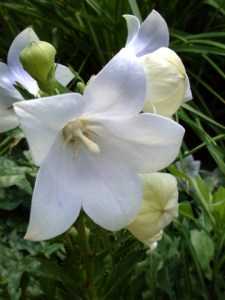 We may not be able to grow real balloons in our gardens, but Balloon Flower comes pretty close. Large buds shaped like inflated balls give Platycodon its common name, Balloon Flower. These buds open into showy blue, pink or white blossoms shaped like plump, five-pointed stars. The flowers adorn one- to two-foot tall vase-shaped clumps of oval green leaves.
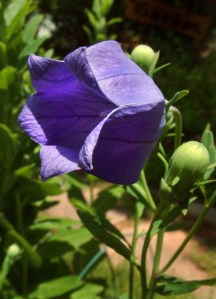 Grow Balloon Flower in well-drained garden soil amended with several inches of compost. Mark the spot so you remember where the plants will reappear in late spring. These perennials take several years to look their best, but your patience is rewarded with plants that live for twenty years or more. Because they stay neat and well-behaved, dividing is unnecessary; in fact, the roots hate to be disturbed. Established plants survive some dry periods, but prefer regular watering.
 Temperatures are climbing into the 90s, your spring-planted crops are reaching maturity, and you’re excited about garden fresh salads and new potatoes. Besides harvesting your bounty, there are millions of weeds to be pulled, poisoned, or decapitated. The last thing on your mind is planting more seeds.
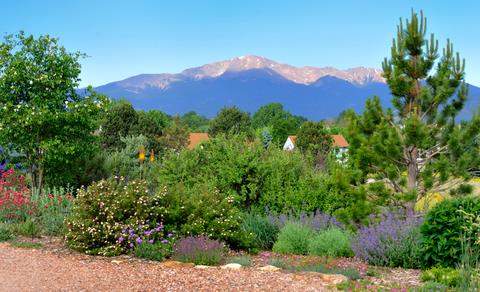
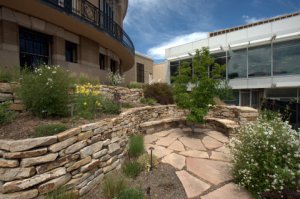 The Carnegie Library Garden may be one of downtown Colorado Springs’ best kept secrets. That’s a shame, because it is truly a gem. This is one of several public gardens featuring water-wise plants especially suited for our climate and soils. It was designed by landscape architect and master gardener Carla Anderson, and is maintained by a team of dedicated volunteers.
 Blossoms abound throughout the growing season. When I visited last month, red and yellow ‘Lena’ broom was beginning to fade, while several types of Mockorange were in full bloom. Rosettes of huge, fuzzy, silver Salvia leaves were topped with tall white or purple flower stalks, and brilliant Colorado Gold hardy gazanias were everywhere. An arbor with a built-in bench supports a beautiful pink climbing rose, while honeysuckle grows on up a nearby trellis. By the time you read this, new plants will be in bloom; it’s worth coming back for repeat visits.