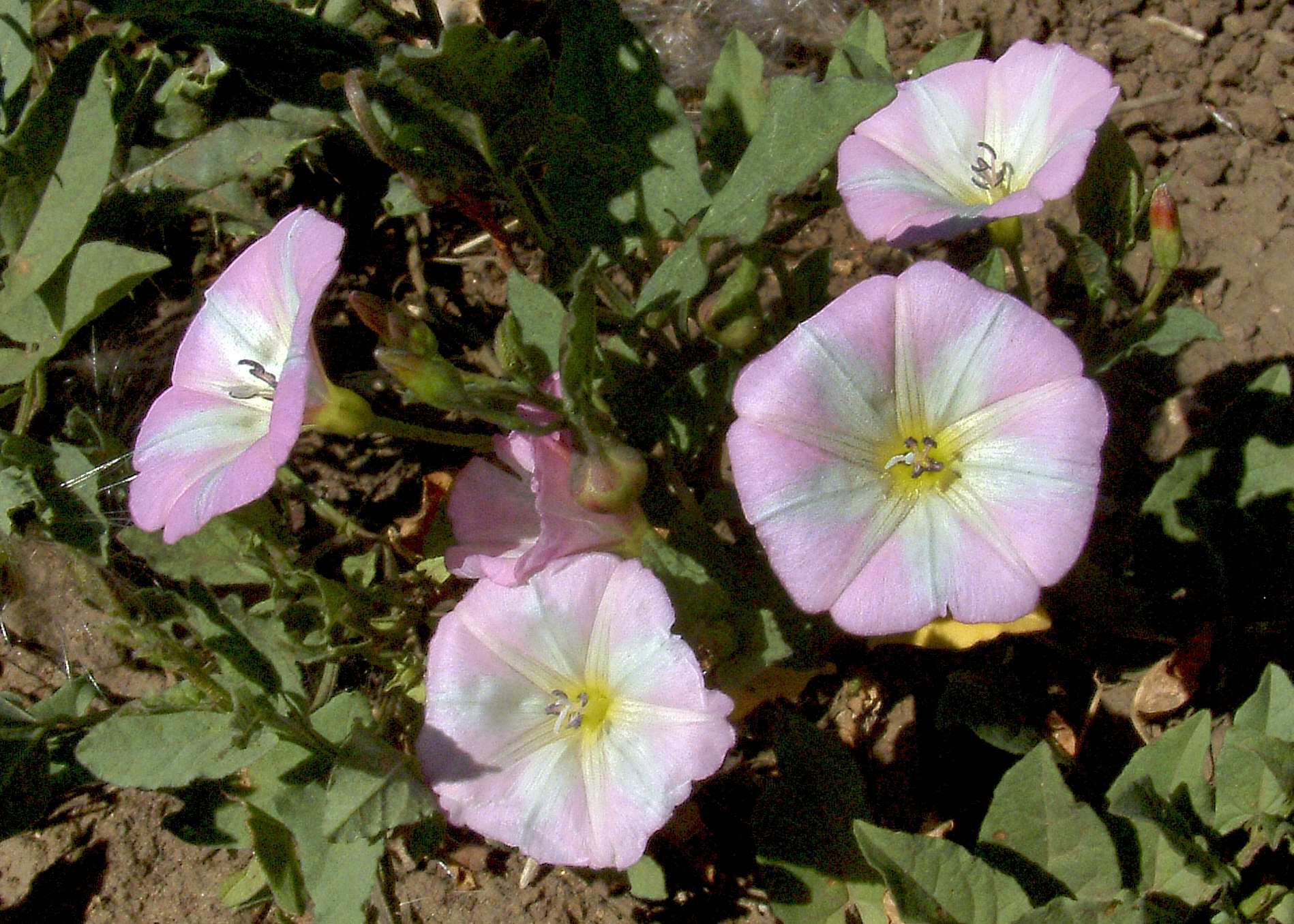
 While taking a break and perusing an assortment of gardening websites, I stumbled across this story at “Dave Hobson’s Garden Humor: To boldly grow where no one has groan before.” Yes, you can tell from the tagline that this site is a lot of fun.
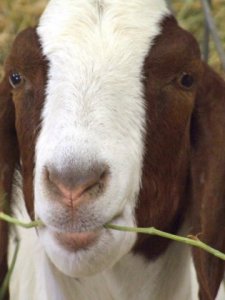
I have David’s permission to re-post his story, as long as I include the fact that he wrote it, he owns the copyright, you can see it on his website, and you can email him at dhobson@golden.net. (I was a bit concerned about posting his email address right out there in the open where all sorts of nasty software programs can find it and send him emails about missing fortunes, prescription drugs, and the fact that there are giant star-nosed moles in the storm drains under Boise—but he insisted.) After I went to all this trouble, the least you can do is read it and laugh. Oh, and the goat photo is all mine.
(more…)
 If you feed them, they will come. Anyone who puts sunflower seeds into a birdfeeder sooner or later has to contend with squirrels. And if you grow a garden—well, squirrels like many of the same foods we do, plus flowers, tulip bulbs, and numerous other plants. The question isn’t whether or not you’ll have squirrels in your yard. You will. The question is, what are you going to do about them?
 Are those weed seedlings or flowers?
 Common Yarrow might be common, but it’s still a worthy plant for Colorado gardens. Plants form spreading clumps of dark green, finely cut leaves about one foot tall. Flat-topped clusters of tiny flowers that rise above the greenery provide landing places for butterflies, which are attracted in large numbers. Blooms may be white, pale to golden yellow, or various pastel shades; ‘Paprika’ is a cultivar with red flowers the color of their namesake.
 At last! After a long winter wait, it’s finally time to get outside, crumble some soil in our fingers, and dig in. Yes, it’s finally time to plant our vegetable gardens—or at least the first crops. While we need to wait a bit longer for frost-tender plants, there are many cool season vegetables that can handle cold nights and a bit of frost. Here are some crops that you can transplant or direct seed into the garden right now.
 I heard this the other day and thought it was funny enough to bear repeating. I hope I don’t offend any Italians—that surely isn’t my intent! I would love to give credit to the person who write this, but I have no idea who that might be.
 I’m a sucker for anything that blooms blue, and bachelor buttons are undeniably blue. There’s even a shade of blue named after their alternate, and perhaps more familiar, name—cornflower blue. Although white and pink varieties are also available, they don’t interest me in the slightest.