Leaves of Gold

Rhus typhina_Staghorn Sumac_DBG_LAH_0350r

When we think of adding warm shades to our garden—yellow and orange, gold, lime and chartreuse—we immediately start listing flowers. But it’s time to think beyond the blooms and consider the leaves. Foliage comes in a variety of warm tones, and the color lasts all season—or longer. We don’t need to wait for fall; many of these plants make spectacular focal points in the landscape all summer long.

(more…)

Container Makeovers

20200814_092940

We’re nearing the end of August, and both the garden and the gardener are… tired. This has been a long, hot, summer, and the entire state of Colorado is in a drought. The unending parade of 90+ degree days, unusual for our elevation, has left the plants bedraggled, the flowers faded, the leaves with crispy brown edges.

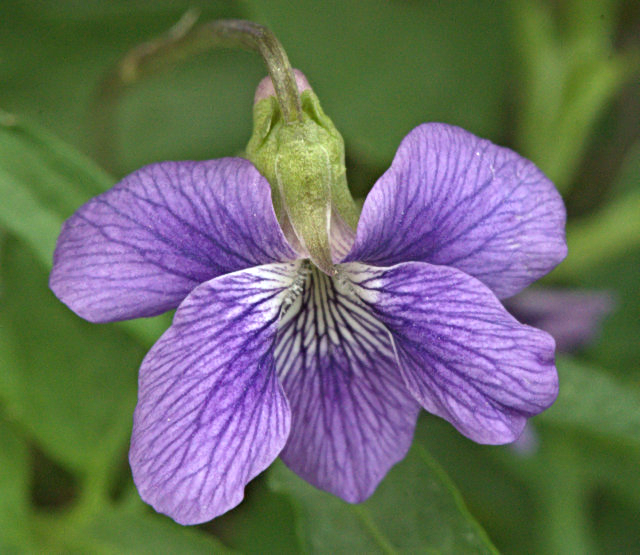
The large pots of color on our deck are the worst. The violas that looked so pretty in June are now covered with powdery mildew. In spite of what the seed packets promised, the cosmos and zinnias grew too tall, towering over the petunias, and the snapdragons stayed too short. My chard leaves are tunneled with leaf miners, and it’s nearly impossible to keep them sufficiently watered. (Memo to self—do not plant chard ‘Bright Lights’ in a container with more xeric annuals, no matter how colorful the stems or how many seedlings are left over after planting the veggie beds!)

(more…)

Social Distancing is Not for Plants

20200505_151308

I frequently take walks through our newly-built neighborhood. While my primary motivation is exercise, I also enjoy checking out the landscaping choices made by the new homeowners. The plants are still small, but it’s easy to imagine what the yards will eventually look like. Some clearly have potential, with trees framing a select palette of shrubs, grasses, and perennials. Others are mostly rocks, with the minimum number of widely-spaced shrubs—mostly junipers and shrubby cinquefoil—added to appease the HOA. Social distancing is great for staying healthy, but please don’t make your plants stand on their own. Even a gorgeous star needs a supporting cast.

(more…)

ID-ing Tan Shorebirds

Western Sandpipers_ShorelinePark-MtnView-CA_LAH_8921

We’re gearing up for a long-awaited road trip to Washington state. I can’t wait to see the grandkids (and their parents) and, since we’re driving, of course I can’t pass up the opportunity to bird somewhere that isn’t home.

We had wanted to go this past spring, but we all know how that turned out. I don’t often get the opportunity to bird the coasts, so I was eager to finally see shorebirds heading north in their easy-to-ID breeding plumage. Now, all those birds have morphed into migrants heading the other way in drab white and tan. Still, we’ve included several days at wildlife refuges known for vast numbers of migrating sandpipers, and in the meantime, I’m brushing up on my sandpiper ID skills.

(more…)

A Plant for Butterflies

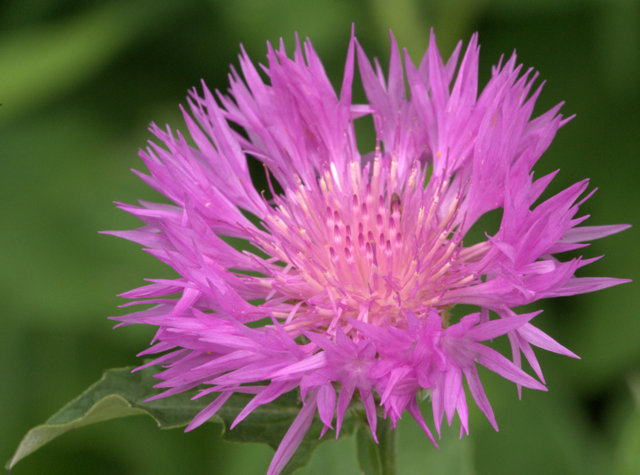
Scabiosa_Pincushion Flower_DBG-CO_LAH_7349

I love a garden full of flowers, but that’s only half the story. A garden feels incomplete with just plants, no matter how pretty they are. We’ve set the stage. The background and props are in place. But where are the actors? That’s why I intentionally choose plants that attract birds and insects. (Rabbits? Not so much!) A summer day isn’t complete without the buzz of bees, the whirr of the Broad-tailed Hummingbirds, and especially fluttering butterflies—often as colorful as the flowers they visit.

(more…)

Committing Tree-icide: Staking & Protecting

20200522_101626

If we lay perfectly still for weeks and months, we know that our joints will stiffen and become less flexible. Movement will become difficult. Bending will hurt. Holding perfect still is bad for our health. And it’s bad for trees as well. Yet, every year hundreds of trees are splinted into immobility by well-intentioned gardeners. It’s no better for them than it is for us.

We have a tendency to regard a newly planted sapling as fragile, and we want to protect it as best we can. That trunk looks so flimsy, as if the first breeze will snap it in two. So what do we do? We stake it so it can’t wiggle. And that’s a very bad idea. Movement causes trunks to enlarge and strengthen. Trees that are firmly staked will never become strong.

(more…)

Birding the Summer Prairie

Western Kingbird_SE-EPC-CO_LAH_5308-001

There’s a rhythm to birding in Colorado. At this time of year, many birders head to the mountains for the cooler temperatures and gorgeous scenery. Seasonal campgrounds and picnic spots that are inaccessible during the winter are currently full of wildflowers and nesting alpine birds, not to mention people hiking, fishing, or simply hanging around relaxing. While I love seeing people out enjoying nature, at times, the more popular spots get too crowded.

(more…)