
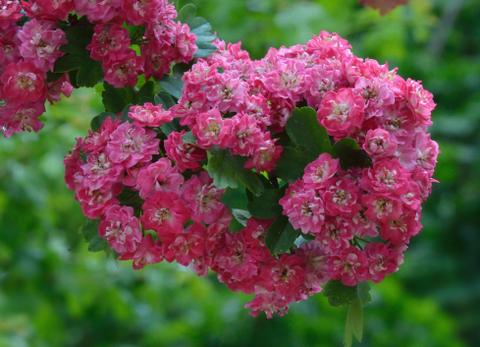
 When it comes planting a spring flowering tree, most Colorado gardeners immediately think of crabapples. Wildly popular all along the Front Range, crabs deserve their stellar reputation. However, they aren’t the only flowering tree that thrive in our harsh environment. There might even be a better choice! Consider their close relative, the Hawthorn.
Bird Photography: Use your birding skills!
 As birders, we have an advantage over other photographers wishing to photograph birds. We know our subjects. All those skills we’ve garnered in our years of stalking lifers and observing birdy behavior are about to pay off—big time!.
Finding birds is easier for us birders. We know where the hotspots are. (If in doubt, check out the field trip destinations from any birding club website.) For example, Colorado birders know that Mt. Evans and Guanella Pass are often productive places to search for ptarmigan, while Clark’s Nutcrackers and Gray Jays can almost always be found at the Rainbow Curve pull-out in Rocky Mountain National Park.
What Did You Say?
 Many people talk to their plants. Whether or not it makes a difference, we chatter on about the weather, how nice the plant is looking, perhaps how shiny a leaf or pretty a flower. Of course, the plants don’t really hold up their end of the conversation. I’ve heard nary a peep from my peony, nor a single ahem from my Agastache. Even if they could talk, I doubt we’d find the conversation stimulating. After all, plants don’t have brains. But a lack of brain and vocal cords doesn’t stop plants from communicating. We just have to learn their language.
Spring Cleaning is for the Birds
 We’re approaching one of my favorite times of year. It’s bluebird season! We currently have five bluebird boxes on our property. Last year, one was filled with bluebirds and the others were claimed by wrens, swallows, and other cavity nesters.
Now, as a responsible home owner, it’s time to clean them all out. House Wrens typically clean out their own boxes, but bluebirds depend on the landlord to take care of it. That means us. And it’s critical that the box get cleaned before the birds arrive and start to move in. That means now!
Grow for the Green

When you think of flowers, you might imagine a red rose, yellow daffodil, or purple iris. But how about green? On March 17 we will celebrate Saint Patrick with green eggs, green beer, and parades. Being a gardener (and in honor of an Irish ancestor), I want flowers to get equal time.
March Quiz: Answer
To refresh your memory, here are the photos from March’s Bird Quiz. The top photo was taken in Colorado during the month of February. The bottom photo was taken in Florida during the month of January. Don’t read any further if you want one last chance to identify these birds.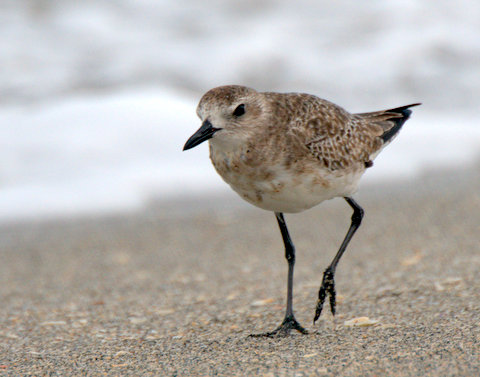 (more…)
Oh Deer!
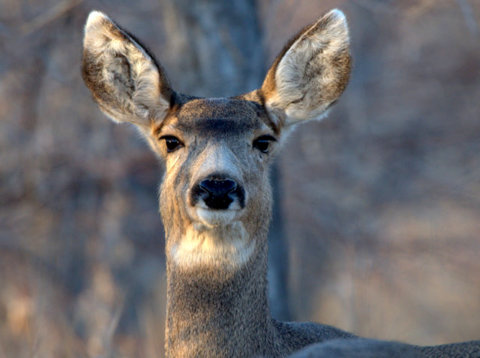 You’re cruising through one of our national parks when you come across a traffic jam. Cars are pulled to the side, their occupants pointing at… something. More people are darting between vehicles, cameras in hand. What in the world has caught their attention? Bears? Elk?
No, it’s a single female mule deer.
March’s Bird Quiz
Can you identify these birds? The top photo was taken in Colorado during the month of February. The bottom photo was taken in Florida during the month of January. The answers will appear next week.
Bird Photography: Practice makes perfect!
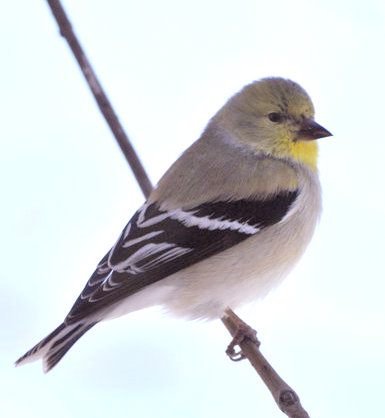
 There are lots of reasons to photograph birds. For one, it’s lots of fun (although all-too-often frustrating as well). Photos can provide a record of birds you’ve seen, especially if, like me, you start second-guessing your best sightings the minute the bird flies away. They provide proof to ebird and records committees that your rarity was indeed what you thought it was.
Perhaps you’re birding in an unfamiliar location. You may not immediately recognize all the birds you see, and photos might allow you to ID some species later, when you’re not in a hurry.
Photos can also be artistic. Everyone can be creative—it’s part of our DNA—and photography makes a wonderful creative outlet.
Garden Jargon, Quiz 2
 The previous garden jargon quiz was so much fun, we’re doing it again. In case you missed the explanation last time, here it is again. (If you remember the previous quiz, just skip ahead.)
How well do you know your gardening terms? As with most groups of people with a specific hobby or occupation, those who garden have a specialized vocabulary—our garden jargon. We often use words that other people might not understand—or will they?
I’ve taken a series of gardening terms that have other meanings not related to gardening. For example, a bed can be a place we sleep—or a landscaped area, often filled with flowers.

