
 We’d been working hard all week, moving slowly but determinedly through our list of move-in chores. It was time for a break. So… being the romantic sort (on occasion), my husband asked me if I’d like to go out for the evening—to look at rocks.
Sure, I answered. While not a huge fan of gravel and mulch, going out, even to look at rock piles, sounded tons better than another night spent discussing the placement of dressers and hanging pictures.
 It’s time to clean out the chicken coop. All summer my little flock has been happily picking weed and grass seeds out of the straw I spread in their coop last spring. At the same time, they’ve broken down the big pieces of grass stem into finer shreds. And, best of all, they’re balanced all that carbon with some nice, hot chicken manure.
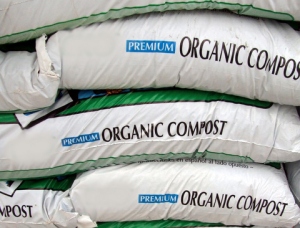 You’re gotten your test results back from the soil lab, telling you to add some organic matter. What’s the best thing to add?

 Spending time now on chores such as weeding and garden cleanup will reward you many times over when spring arrives.
 Making your own compost is a great way to recycle yard waste that would otherwise end up in a landfill. It’s the epitome of green gardening, and it’s really not that complicated.
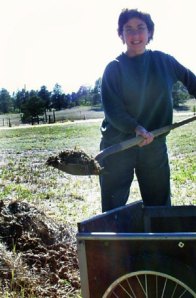 You can easily increase the percentage of organic matter in your soil by adding compost or another organic amendment. This added humus will act as a sponge, increasing water retention in sandy soils. On the other hand, in clay it acts to improve drainage by increasing the size of air and water spaces. Plus, organic matter works with your fertilizer by holding nutrients in a form that is available for absorption by roots. As you can see, organic matter is an important component of healthy soil.
 Mountain Plover