
 Right on schedule, I hear the shrill whistle of a Broad-tailed Hummingbird’s wings. I’m writing this on May 1, and I just had my first tiny visitor of the season—on the exact same date as last year. I’d hung the feeder a few days ago, just in case, but not one bird stopped by until today. Amazing.
I’ve had a feeder outside my kitchen window every summer for about eight years now. One year, May 1 brought a heavy snowfall, with temperatures in the 20s and the wind whistling about the eaves. Surely the birds were snuggled somewhere safe and warm, I thought. Maybe most birds were, but at least one Broad-tail braved the storm to get to my feeder. If the hummingbirds are that eager (desperate?) to have a sugar water snack, the least I can do is offer what they expect.
 Santa is making his list—what do birds want for Christmas? There are all sorts of recipes and projects that are meant for wild birds, but so often they’re actually meant to keep us birdwatchers entertained. No one asked the birds for their opinion.
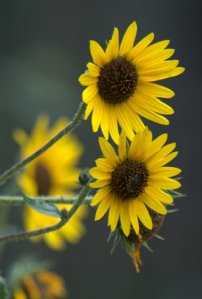 This year, the birds planted themselves a garden.
 The summer is heading for fall, and it’s time to fertilize lawns. Go to any garden center and you’ll see piles of name brand lawn fertilizer, complete with directions on the back. Just follow these simple steps and you’ll have a healthy, green, weed-free lawn.
 As we gather to give gifts to one another, it’s only natural for birders to offer special treats for the birds. There are lots of options.
 More expensive, but especially attractive to Pine Siskins, is Nyjer seed. These tiny black seeds (also called thistle) are imported from Africa. You’ll need a special feeder with smaller holes, or a fabric “sock” sold for the purpose. One advantage is that the seed is treated to prevent sprouting—you’ll have no Nyjer weeds to pull in the spring.
 Mountain Plover