

Last Saturday promised to be a great day. We were heading to Chico Basin Ranch. The ranch describe itself as a:
… 87,000-acre family-run, working cattle ranch that operates on the high prairie 30 miles southeast of Colorado Springs, Colorado. Its sprawling ranges of shortgrass and sandsage prairie, spring-fed lakes, creeks, and pools are home to diverse populations of birds, pronghorn, deer, fish, prairie dogs, coyote, badgers, and much more. … In addition to our cattle business, the Chico offers education, farming, recreation, sporting, arts, and hospitality programs.
It’s one of the best birding sites in our area, well worth a trip any time. In addition, they were hosting a “Birder Brunch” on Saturday, a free breakfast for those of us who bird there. I was eagerly anticipating good food, good company, and a day of exceptional birding. However…
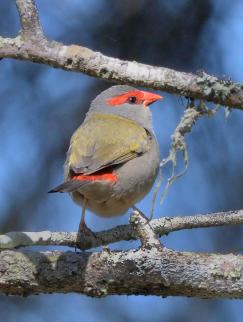 (This post continues my series on birding in Australia; choose “Birding Trips” in the Category box at right to see my previous posts.)
 With the high plains sizzling in 90+ degree heat, I was desperate to escape to somewhere cooler. Plus, I really wanted to see some birds. That’s why I headed to the hills—or, more accurately, mountains. There’s an advantage to living right next to the Rockies. In less than an hour, I was at 7,700 feet, surrounded by ponderosas, birding at Manitou Lake. A day-use area popular with the fishing crowd, this five acre lake is also a birding hotspot. You have to get there early, especially on weekends, but the abundance of wildlife is worth the extra effort.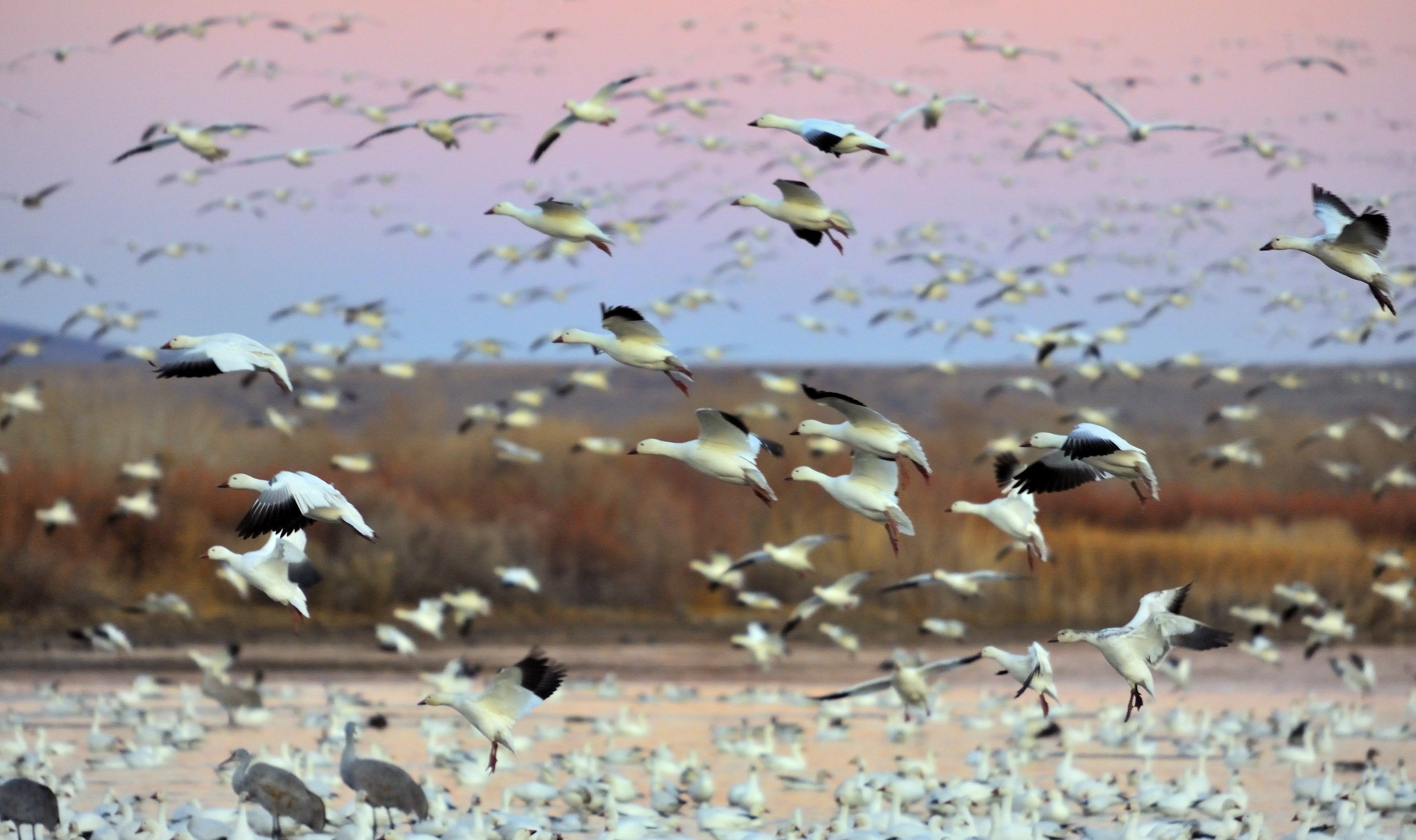


 Chico Basin Ranch is a great place to bird all year round, but it is a must-see during spring migration. It’s easily worth the 45 minute drive from Colorado Springs, and the $15 daily access fee (annual passes are also available).
 A look at a map of Colorado shows why birds and birders love Chico Basin. Straddling the El Paso/Pueblo county line, the ranch attracts species found in the southeast corner of Colorado as well as those more that live in the north and west. Strategically situated between miles of arid, short-grass prairie on one side, and more miles of arid short-grass prairie on the other, the year-round ponds and green trees are a welcome rest stop for tired and thirsty migrating birds.
 Mountain Plover